FlexManager is exhibiting at the Medtech Conference 2026
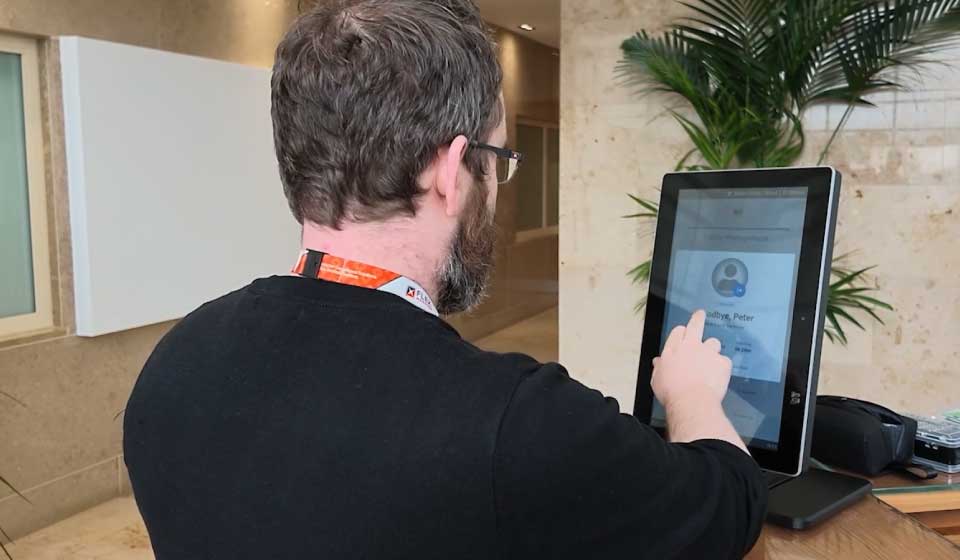
FlexManager is excited to announce that we will be exhibiting at the MedTech Innovation Expo 2026, taking place on 30 April at the Dexcom Stadium in Galway.
After a comprehensive review completed in 2024 and new legislation introduced in the fall, Nova Scotia will roll out changes to its workers’ compensation system with the start of the new year.
According to the Workers’ Compensation Board of Nova Scotia (WCB Nova Scotia), most of the legislative amendments to the Workers’ Compensation Act will come into force on Jan. 1, 2026, with key benefit improvements — including full cost‑of‑living indexing — following in 2027.
The Department of Labour, Skills and Immigration says the intent is to make it easier for people who are hurt on the job to access the support they need, recover, return to work and care for their families, while employers gain more certainty and better information to help injured workers.
The changes build on the Stronger Workplaces for Nova Scotia Act passed in September 2024 and stem from the first full review of the workers’ compensation system in more than two decades, which drew input from over 1,000 Nova Scotians.
The government says the overhaul of cost‑of‑living protections is one of the most significant gains for injured workers. The amendments will increase the cost‑of‑living adjustment on benefits from 50 per cent to 100 per cent of the consumer price index, up to three per cent each year, starting in 2027.
WCB Nova Scotia says this means that workers’ benefits will better keep pace as prices rise, enabled by the organization’s strong financial position without raising average employer premiums.
The reforms also broaden survivor benefits, according to WCB Nova Scotia. In cases where a worker dies because of a workplace injury, survivor benefits will now extend not just to dependent children but to other dependants, and benefits may be paid to the worker’s estate if there are no dependants at all.
In September, the government of Nova Scotia announced that WCB Nova Scotia plans to reduce the average employer rate in 2027 — the first rate cut in more than 30 years.
The changes also broaden who is recognized and covered under the Act. On family status, the government of Nova Scotia says the law will “modernize the definition of ‘spouse’ from ‘husband and wife,’” while WCB Nova Scotia notes that the Act now explicitly includes common‑law partners and same‑sex spouses.
Firefighters will also see a notable improvement in coverage, according to both sources. The government of Nova Scotia confirms that presumptive cancer coverage — which treats certain cancers as work‑related without requiring workers to prove causation — will be expanded to wildland firefighters and fire investigators, aligning them with municipal firefighters.
The reforms aim to accelerate decision‑making when new medical information surfaces. WCB Nova Scotia explains that if new evidence comes forward during an appeal, it will be sent back to the original decision‑maker to be reassessed, rather than having workers wait through additional layers of appeal. The board says this change is designed to produce faster, more accurate outcomes and reduce unnecessary delays for injured workers and their families.
The appeal process itself is being significantly adjusted to give workers more breathing room. The government of Nova Scotia notes that the deadline to appeal a claim decision will be extended from 30 to 90 days, making it easier for people to gather medical records, seek advice and fully consider their options.
WCB Nova Scotia also points to a host of technical and administrative amendments aimed at making the Act clearer and easier to navigate.
These include:
Employers will see both new responsibilities and some important advantages. Under the amended Act, employers will be required to report workplace injuries within two days instead of five, with the goal of improving timely access to benefits and speeding up return‑to‑work planning.
At the same time, employers will gain better access to information that helps them accommodate injured workers as employers will be given functional ability information — for example, lifting restrictions — so they can offer safe modified duties. The WCB stresses that only information necessary for safe accommodation will be shared, to protect worker privacy while improving return‑to‑work outcomes.
The cost structure of claims is also changing in employers’ favour in at least one respect. WCB Nova Scotia notes that transportation expenses to get an injured worker to care, such as ambulance services, will now be treated as part of overall claims costs rather than a separate bill for employers. The Board describes this as “one less thing to think about during an already stressful time,” suggesting an effort to simplify administration for businesses at the moment a serious injury occurs.
Regulatory transparency and ongoing benefit reviews form another piece of the reform package. WCB Nova Scotia says it will have the option to publish the names of employers who receive administrative penalties, a move intended to encourage compliance and reassure workers that enforcement is taken seriously. The Board also notes that Extended Earnings Replacement Benefits can now be revisited when a worker’s circumstances change, instead of waiting for the standard three‑year or five‑year review intervals, which is meant to make the system more responsive and fair for both workers and employers.

Original Article – Occupational Health & Safety
FlexManager is excited to announce that we will be exhibiting at the MedTech Innovation Expo 2026, taking place on 30 April at the Dexcom Stadium in Galway.
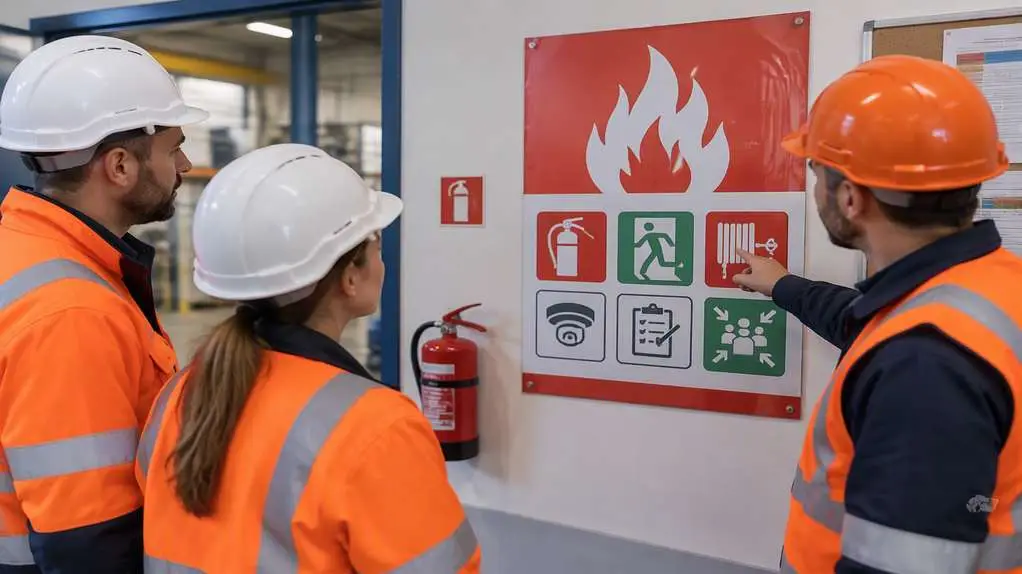
Top 3 Operational Advantages for Fire Services Using FlexManager Fire services operate in complex, high-pressure environments where operational efficiency directly impacts response effectiveness and safety. Every process, from equipment checks to contractor coordination, needs to work seamlessly. However, many organisations still rely on manual processes or disconnected systems. This can lead to delays, reduced visibility,…
Enterprise Ireland’s New Frontiers is the nationwide programme for ambitious startup founders with an innovative business idea that has the potential to scale and provide employment.
A risk-averse quality expert is the guardian of consistency. Their role is to ensure that processes are followed, outcomes are repeatable, and defects are addressed in a way that prevents long-term recurrence.
Infrastructure company Murphy is carrying out what it calls the first permanent-works use in the UK of concrete made with low-carbon cement from Dublin-headquartered firm Ecocem.
We had a fantastic time at the National Construction Summit 2026 last week. Our team was located at Stand B03 where we were showed how our digital workplace compliance tool could change the way organisations work.
The Ontario government is supporting a $125 million investment through the Workplace Safety and Insurance Board (WSIB) to establish a permanent Ontario Mine Rescue Training Institute in Sudbury, aimed at strengthening worker safety and emergency preparedness across the province’s mining sector.
In today’s fast-paced operational environment, HSEQ and compliance managers face a familiar challenge: how to ensure employees stay compliant and safe without losing hours to long, traditional training sessions. Lengthy classroom-style, day-long workshops often lead to disengagement, information overload, and poor retention of critical safety knowledge.
We are proud to share that FlexManager has been recognised as the Best H&S Software Solutions Provider at the Irish Enterprise Awards.
Last week, we had the opportunity to exhibit at the 2026 Institute of Asphalt Technology (IAT) Ireland Seminar at the Hodson Bay Hotel, Athlone. This event brought together industry experts to explore the latest innovations in asphalt technology, sustainable infrastructure, and pavement management.
A West Midlands based construction company has been fined after Britain’s workplace regulator found repeated failures at four different construction sites across the region.
Manufacturing environments are complex, fast-moving and inherently high-risk. There are no shortcuts for managing the health, safety, quality, and environment in this industry, with multiple production lines, contractors, assets, and regulatory requirements to manage. Without the right systems, there is an increased risk of operational inefficiency, safety incidents, and inconsistent quality.
Fill out the form below and one of our FlexPerts will contact you.