First UK low-carbon concrete pour for permanent works
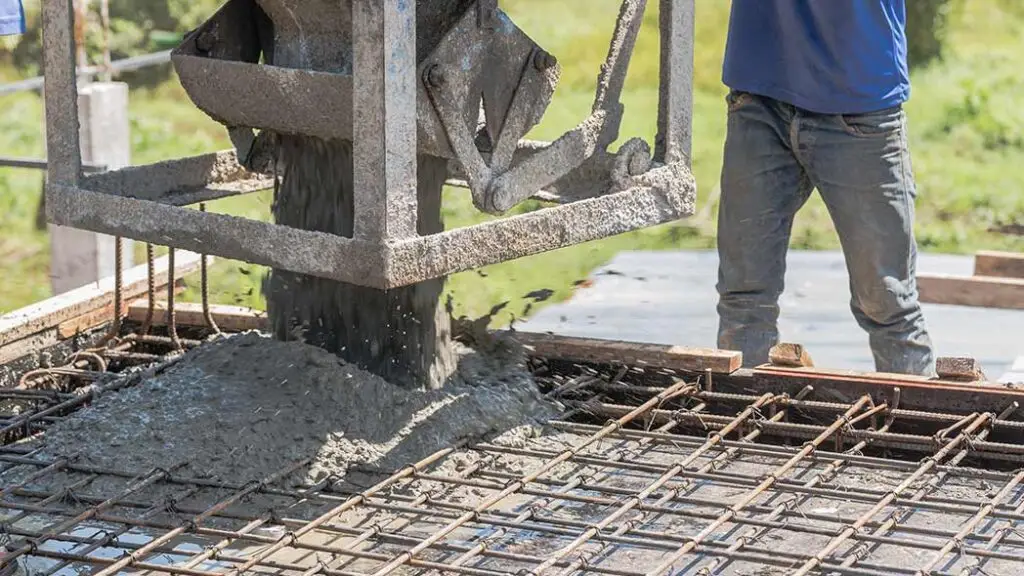
Infrastructure company Murphy is carrying out what it calls the first permanent-works use in the UK of concrete made with low-carbon cement from Dublin-headquartered firm Ecocem.
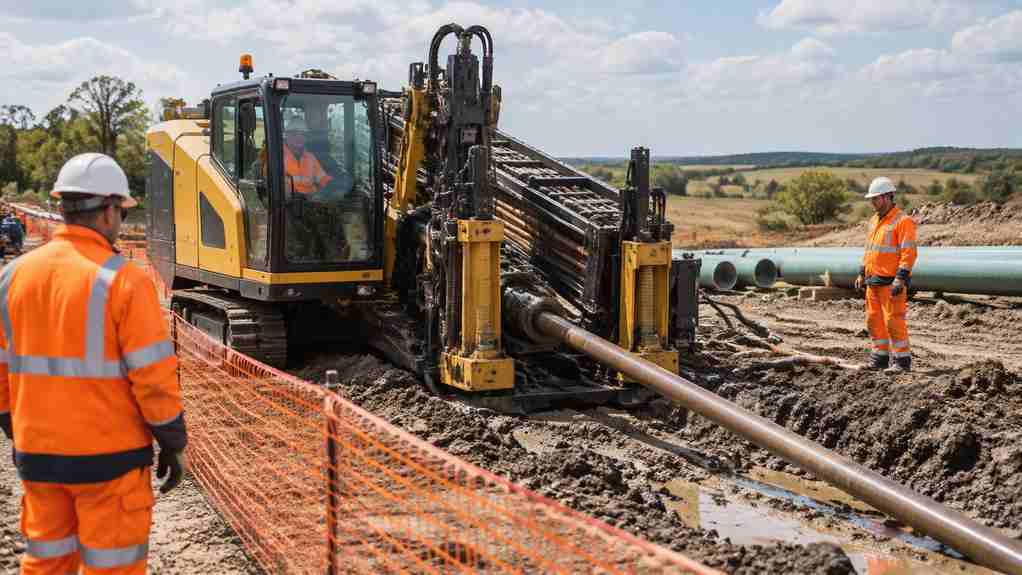
Working with Breedon, the team is using the low-carbon concrete for the capping beam cast on a contiguous pile wall at the Shipley Depot for the Transpennine Route Upgrade, a multi-billion-pound programme of rail improvements across the Pennines between Manchester, Huddersfield, Leeds and York.
The pour is being carried out in 12 phases over 12 weeks. Altogether, it will involve pouring some 150 cu m of concrete.
That’s a jump from its previous pour using Ecocem’s “ACT” cement for 38 cu m of concrete for temporary works at Uxbridge.
In 2024, Ecocem obtained a European Technical Assessment (ETA) for its cement, which it says achieves a 70% reduction in CO2 compared with the average European cement blend. It does this by cutting the clinker content by up to 70% and replacing it with available fillers and local supplementary cementitious materials.
When the Shipley Depot pour is finished, Murphy said it expects to make a carbon saving of 145kg of CO2 per cu m against the benchmark CIII/A concrete mix.
Murphy said that saving is equivalent to the electricity used by 20 UK homes a year, or an average car travelling around the equator twice.
The company’s engineering manager, Kyle Stott, said: “This latest pour is both an example of innovation utilised for the good of the engineering industry, and a further demonstration of our commitment to creating a greener Murphy, becoming net positive by 2050.”
Murphy is working in an alliance with Network Rail, VolkerRail, Siemens and Systra, known as Tru East, on the York to Leeds section. Last May, Ecocem said it would invest €170m to build four new production lines for its ACT cement near Dunkirk in France. It also has factories in Ireland and the Netherlands.

Original Article – Construction Management Magazine
Infrastructure company Murphy is carrying out what it calls the first permanent-works use in the UK of concrete made with low-carbon cement from Dublin-headquartered firm Ecocem.
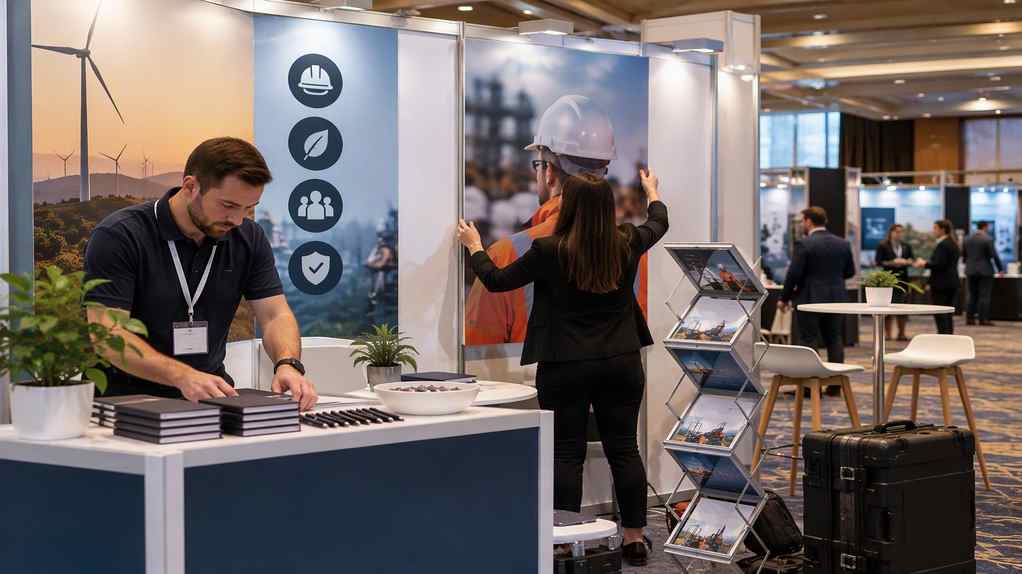
We had a fantastic time at the National Construction Summit 2026 last week. Our team was located at Stand B03 where we were showed how our digital workplace compliance tool could change the way organisations work.
The Ontario government is supporting a $125 million investment through the Workplace Safety and Insurance Board (WSIB) to establish a permanent Ontario Mine Rescue Training Institute in Sudbury, aimed at strengthening worker safety and emergency preparedness across the province’s mining sector.
In today’s fast-paced operational environment, HSEQ and compliance managers face a familiar challenge: how to ensure employees stay compliant and safe without losing hours to long, traditional training sessions. Lengthy classroom-style, day-long workshops often lead to disengagement, information overload, and poor retention of critical safety knowledge.
We are proud to share that FlexManager has been recognised as the Best H&S Software Solutions Provider at the Irish Enterprise Awards.
Last week, we had the opportunity to exhibit at the 2026 Institute of Asphalt Technology (IAT) Ireland Seminar at the Hodson Bay Hotel, Athlone. This event brought together industry experts to explore the latest innovations in asphalt technology, sustainable infrastructure, and pavement management.
A West Midlands based construction company has been fined after Britain’s workplace regulator found repeated failures at four different construction sites across the region.
Manufacturing environments are complex, fast-moving and inherently high-risk. There are no shortcuts for managing the health, safety, quality, and environment in this industry, with multiple production lines, contractors, assets, and regulatory requirements to manage. Without the right systems, there is an increased risk of operational inefficiency, safety incidents, and inconsistent quality.
A tech-curious maintenance manager wants a way to connect assets reliably, gain an operational context, and have a data-driven plan across their domain. Their goal is not simply to respond to breakdowns, but to anticipate them, understand their root causes, and manage assets in a way that reduces downtime and cost.
Ontario Labour Minister David Piccini says labour ministers across Canada have taken an unprecedented step toward “one Canada, one standard”, but safety professionals caution divergent provincial laws still threaten true harmonization.
HSEQ management has evolved significantly over the past decade. As workforces become more mobile and operations more complex, traditional, desktop-based systems struggle to keep pace. AI and mobile technology are now playing a key role in helping HSEQ teams manage risk more efficiently, improve visibility and reduce administrative burden — without compromising compliance.
For fire and rescue services, every second counts. Equipment must be ready, maintained, and accounted for at all times. Yet many organisations still rely on manual logs, spreadsheets, or disconnected systems, which can lead to missed inspections, delayed maintenance, and reduced operational visibility.
Fill out the form below and one of our FlexPerts will contact you.