From the outset, the Calgary group has emphasized practical discussion of current and emerging safety topics. Programming has included networking socials, professional luncheons and a series of workshops on artificial intelligence applications in health and safety practice. “We’ve run five workshops to help teach safety people how they can use AI, large language models, to improve their effectiveness and efficiencies in their role,” Jones says.
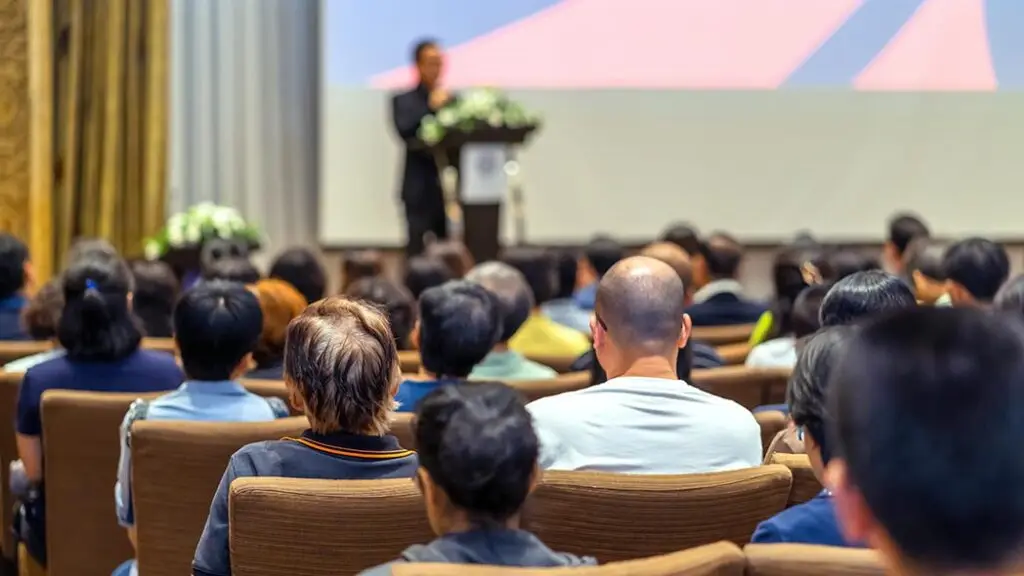
By May 2026, Calgary Safety Connect expects to have run 10 socials, eight luncheons and five workshops, culminating in a one‑day conference and tradeshow. Jones estimates that more than 500 people now subscribe to receive updates on upcoming activities, with most promotion occurring through LinkedIn and word of mouth. He notes that two‑thirds of the people attending events are professionals he had not met before, indicating that “a whole new generation of safety professionals” is looking for in‑person engagement.
The organization remains intentionally volunteer‑driven and low‑cost. There are no membership fees; attendees pay only to cover expenses for luncheons and the conference. Informal socials, typically held in local cafés or pubs, are free apart from participants’ own food and beverages. “We’re trying to keep it very simple,” says Jones.
A simple model other cities can adapt
Interest in the model has extended beyond Calgary. A separate volunteer group has established Edmonton Safety Connect, also registered under the Alberta Societies Act, with its own program of socials and luncheons. Safety professionals in the Greater Vancouver area have begun exploring how a similar structure could work within their own geographic and regulatory context.
Jones and his colleagues have been sharing sample bylaws, communication templates and event formats, while stressing that local groups should adapt the concept to their own needs.He sees the model as complementary to, not competitive with, national associations. “We’re not trying to be the educational voice. We’re not trying to be a certification group,” he says. Instead, Calgary Safety Connect is positioned as an easy entry point for safety practitioners who want straightforward, in‑person opportunities to connect.
“This is about people meeting people…getting back to where we’re looking into the whites of their eyes,” says Jones. A simple idea that is resonating with safety practitioners well beyond Calgary.