

How to Run an Effective Meeting: Structure, Accountability, and the Right Tools

In fast-moving organisations, meetings are more than routine. They are essential touchpoints for alignment, safety, and continuous improvement. Whether it’s a daily briefing, a safety toolbox talk, or a monthly compliance review, meetings must be structured, purposeful, and actionable.
Yet many organisations still struggle with meetings that lack direction or fail to capture outcomes. In many industries, this can result in a double whammy of inefficiency and increased safety risk.
When Meetings Don’t Deliver
Without a clear structure or documented output, meetings can become time-consuming exercises with little operational value.
Common challenges include:
- No central record of attendance or actions: Without a reliable, centralised log, it’s easy for accountability to fall through the cracks. Action items get lost, and attendance can’t be verified during audits or reviews.
- Poor visibility of outcomes across departments: Key decisions made in meetings often stay siloed, meaning other departments are unaware of critical updates that impact their work.
- Inability to link meetings to compliance, risks, or ongoing improvement: Meetings should support the broader organisation. When they’re disconnected from this ecosystem, their long-term value diminishes.
Missed insights, untracked responsibilities, and reduced engagement across teams are the typical results of unstructured meetings. These can feel like a waste of organisational resources that could have been otherwise allocated elsewhere.
What Makes a Meeting Effective?
An effective meeting provides structure, purpose, and traceability. It supports compliance while enabling real-time operational awareness. This includes:
- Clearly defined objective: Every meeting should have a specific purpose to keep discussions focused and outcome-driven.
- Engage the right people: Involve relevant, informed stakeholders who will engage in the meeting.
- Capture decisions made and people responsible: Create clear records of decisions, actions, and people responsbile for said actions to ensure transparency.
- Ensuring follow-up is tracked and recorded: Having action items tracked allows for accountability to extend outside the meeting. Persons responsible will be motivated to drive progress of projects.
Ensure Effective meetings using FlexManager
FlexManager offers two dedicated modules designed to improve how your teams manage and deliver meetings:
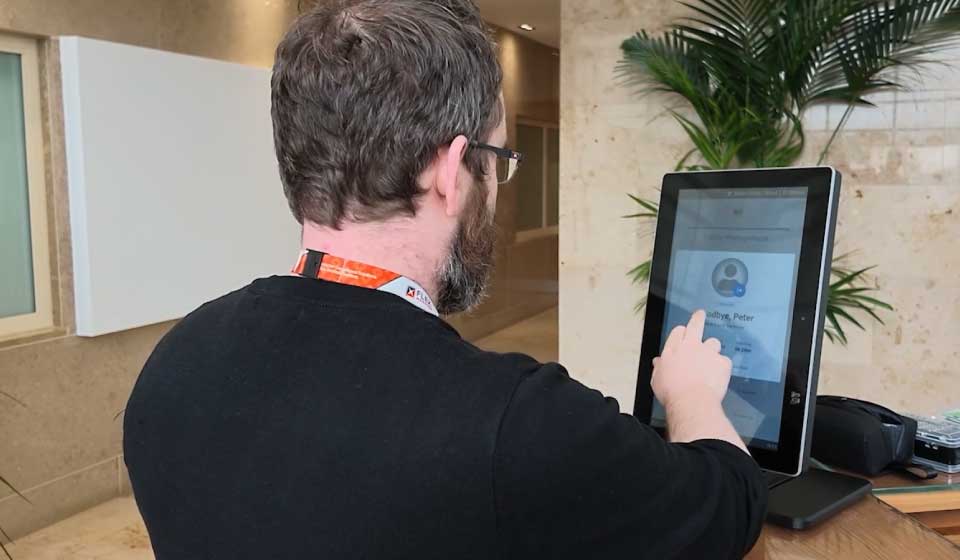
- The Meetings Module helps teams schedule, document, and track meetings in one system. Actions can be assigned and followed through with clear accountability and audit-ready reporting.
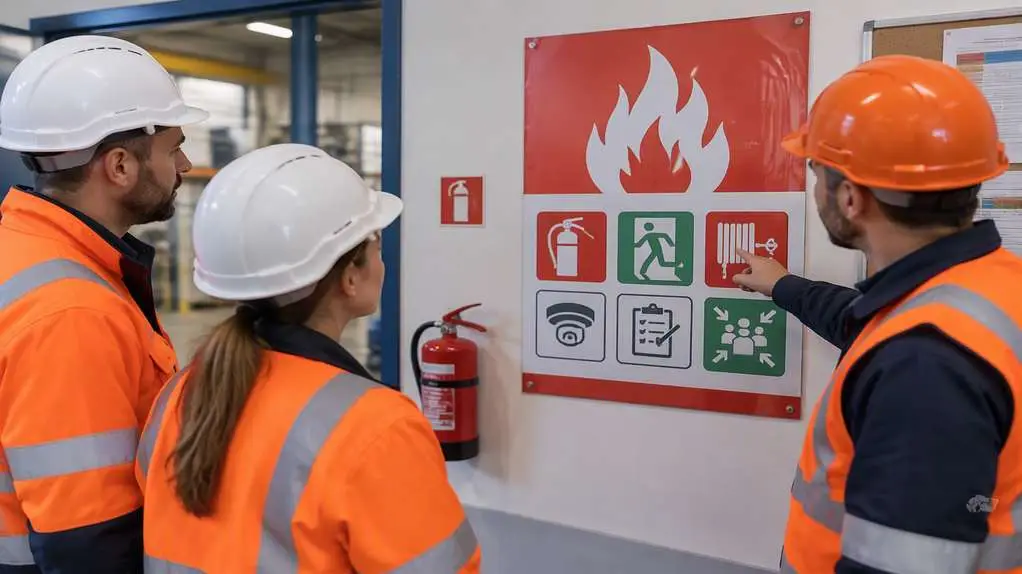
- The Toolbox Talks Module supports the structured delivery of safety briefings. Attendance and outcomes are recorded digitally, ensuring consistency and compliance across all levels of the workforce.
Both modules integrate seamlessly with other parts of the FlexManager platform, connecting your meetings to incident data, inspections, training records, and more.
Turning Conversation into Action
Meetings should be more than discussion points. When structured properly and supported by the right tools, they become a critical driver of operational performance, safety, and culture.
FlexManager can assist leaders in ensuring that every meeting leads to action, every decision is documented, and every outcome contributes to operational objectives.
This blog focused on a topic relevant to the Meetings module, which is part of the Quality Control solution. This is one of six core solutions that forms an all-in-one solution, providing organisations with a complete overview of their operations to ensure they achieve their compliance goals. To find out more about our Modules, you can visit our Connected Solutions page, or reach out to our team through our Contact section.
Authored by Gearoid Noone
Topics you may have missed
Building a Safer New Year: 12 Safety Tips for 2024
Welcome to the New Year, where safety takes centre stage in Canada’s bustling construction industry. As we embark on fresh projects and challenges, let’s dive into some eye-opening statistics that highlight the importance of keeping safety at the forefront. Did you know that over 40,000 construction workers are injured every year in Canada due to…
How Does FlexManager Use NFC Tags To Reduce Asset Depreciation?
When used with FlexManager, NFC tags eliminate the need for manual data entry and complex setup processes.
2025 HSEQ Rewind: Rediscover Essential Compliance Insights
It has been a busy year for FlexManager, as we sought to keep you informed on the topics relevant to HSEQ professionals. We were delighted to share our blogs with you this year, and with that in mind, we wanted to share a summary of all the topics we touched on this year! If there is any subject matter you would like to suggest for our 2026 blogs, feel free to send them to marketing@flexmanager.com ! With that being said, let's explore what we discussed this year in our blogs:
Gamechangers: How Single Sign On (SSO) Simplifies Access and Strengthens Security
As digital systems multiply, so do user credentials, which can create confusion for field employees and frustration for IT teams that juggle the security of several systems. The ability for teams to securely access multiple platforms and tools with one set of validated credentials can result in smoother, smarter operations.
HSE Elements Host their Open Night on December 11th
Best of luck to our partners at HSE Elements as they host their Open Night tonight (December 11th) in their offices in Toronto! If you’re attending, keep an eye out for our FlexManager banners! Enjoy the event! ✨
Gamechangers: From 2-3 Modules to Full-Scale Compliance Excellence
Overhauling existing software and adopting a new one in its place can be a daunting task. One of the biggest concerns is finding the time and resource to get started. The FlexManager ethos encompasses digital transformation without being overwhelmed. That is why we advocate for our clients to start with just two or three modules, focusing on their most pressing compliance needs. From there, they can scale their system as they see fit.
Study finds construction safety gaps in labour, training and PPE
A new benchmark study from the J. J. Keller Center for Market Insights and the American Society of Safety Professionals (ASSP) suggests many U.S. construction employers are struggling with staffing, training and day‑to‑day safety practices, even as they continue to regard safety as a core value.
Irish Government publishes Accelerating Infrastructure – Report and Action Plan
Last week, the Government published Accelerating Infrastructure - Report and Action Plan to help drive the efficient delivery of infrastructure across Ireland. The Action Plan addresses the 12 barriers to infrastructure development that were highlighted in the Report on Stakeholder Consultation and Engagement with Emerging Themes on Infrastructure, published in July.
Balance your Compliance and Accountability with Task Manager
Staying on top of critical tasks is paramount. Relying on printed documents and manual follow-ups is not only time-consuming and environmentally unsustainable but also highly inefficient. Action Tracking within FlexManager transforms your approach, effortlessly guiding all your critical workflows. From daily safety audits and permits to work, to incident follow-ups and operational improvements, everything action can be captured.
Flex Insights: Digital Transformation
In our Flex Insights series, FlexManager leaders share their perspectives on key topics to provide context for organisations to guide them in driving smarter, safer, and more efficient operations. Watch the full conversation with George and Peter as they discuss digital transformation in organisations, the resistance to change, and the "win-win" scenarios that can arise from streamlining processes through digitalisation.
UK Construction Faces Height-Safety Skills Gap as Demand for Trained Workers Rises
The UK construction industry is facing a growing height-safety competency gap, with contractors reporting increasing difficulty in securing workers who hold the correct certifications to operate towers and access equipment safely.
Gamechangers: Unlock Mobile-to-Desktop integration for Compliance Success
For on-site and office-based users, access to real-time critical data is essential. Yet, many software systems still treat mobile and desktop platforms as entirely separate tools. This leads to delays, mismatched information, and in many cases, duplicate work.
Nova Scotia launches new collaborative strategy to prevent workplace injuries
The Workers’ Compensation Board of Nova Scotia (WCB) and the provincial Department of Labour, Skills and Immigration (LSI) have unveiled Safer Workplaces Together, a new injury-prevention strategy aimed at reducing workplace injuries and enhancing occupational health and safety across the province.
Why is Upskilling Essential in a Compliance-Driven Environment?
In industries where safety, quality, and regulatory compliance are non-negotiable, the capabilities of your workforce directly impact performance. Upskilling is no longer a reactive measure, but rather a strategic requirement to ensure your teams remain compliant and are prepared for the challenges of modern operations. Without a structured approach to training, organisations risk falling behind in their goal of operational compliance.