

The Importance of Reflection: Learn from Success and Setbacks

Reflection is a key facet for professionals and their development.

Reflection is a critical tool for professionals, no matter the industry. Taking the time to review what went well, and what didn’t, helps teams build stronger systems, prevent repeat mistakes, and reinforce positive behaviours. Yet, too often, reflection is rushed or skipped entirely in the rush of daily operations. By making it a structured part of worker’s regimen, they can turn experiences into lasting lessons.

Why Reflection Matters

Reflection allows teams to turn everyday experiences into actionable insights for professional growth. It helps identify strengths to replicate, weaknesses to address, and opportunities to improve processes. Teams that take time to reflect regularly are more proactive, better prepared for future challenges, and consistently stronger in both safety and compliance.

Reflecting When Things Go Well

Celebrating success is more than patting yourself on the back. It’s about understanding why things worked so they can be repeated.

Ask questions like:

    • Which processes or behaviours led to success?
    • Can these practices be applied elsewhere?
    • How did teamwork or leadership make a difference?

Documenting positive outcomes and sharing them across teams not only reinforces good habits but also builds morale and engagement.

And When Things Haven’t Gone Well

When mistakes or incidents occur, reflection becomes even more valuable. The goal isn’t to blame, but rather to provide learning.

Key steps include:

    • Analysing what went wrong and why
    • Identifying gaps in procedures, training, or oversight
    • Turning mistakes into lessons that improve future safety and compliance

Using reflection as a structured practice ensures that setbacks become learning opportunities, preventing similar issues in the future.

Reflection should be a regular part of project workflows, not just something done after a major incident. By reviewing successes and setbacks, teams can make informed decisions, strengthen processes, and improve performance in the long term.

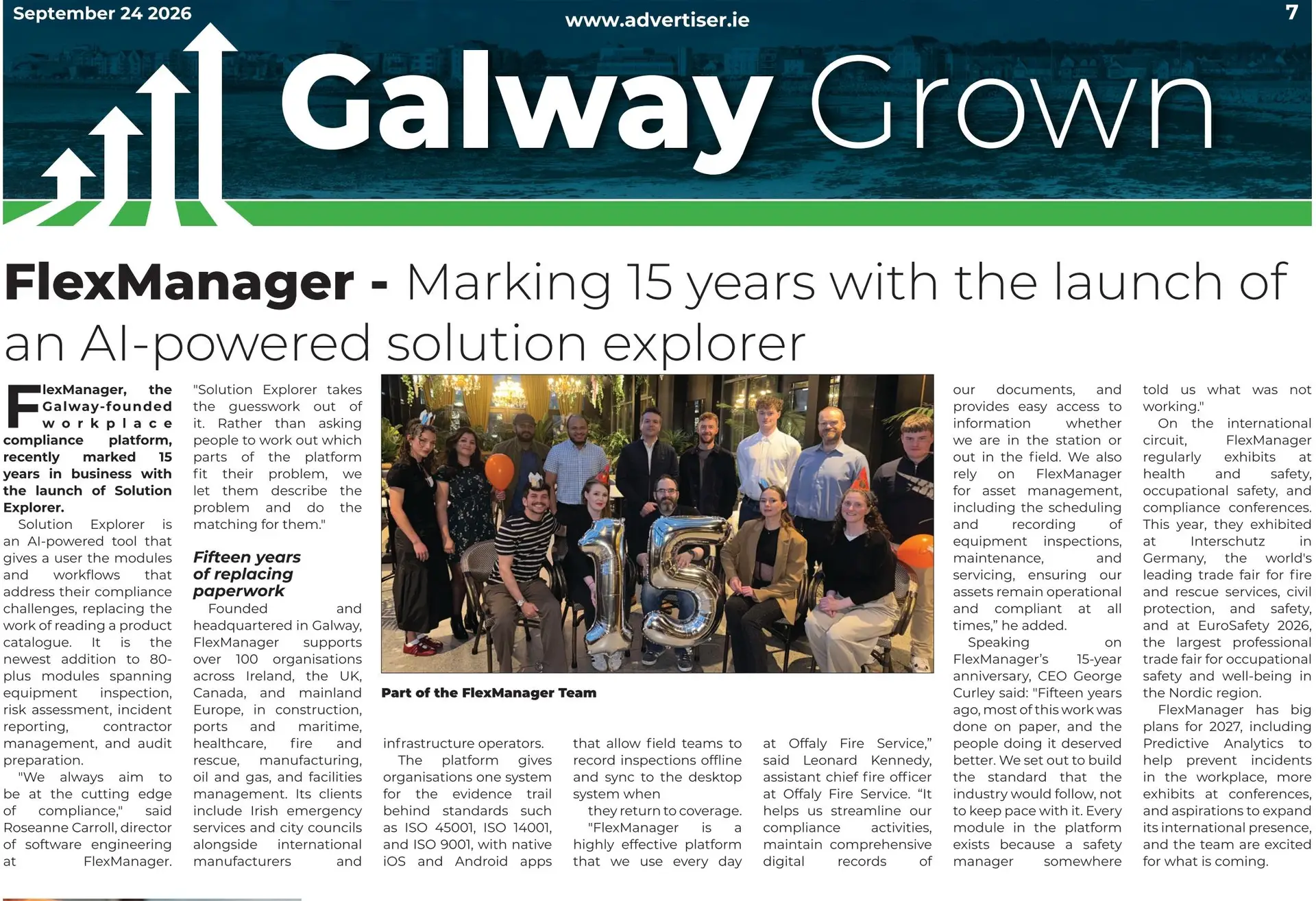
And for teams looking to make reflection consistent and easy, FlexManager can help capture lessons learnt, track improvements, and ensure insights are shared across sites and can turn experiences into actionable, long-term knowledge.

Authored by Gearoid Noone

LinkedIn
Email
Facebook

Topics you may have missed

DOC-DM-OB-4