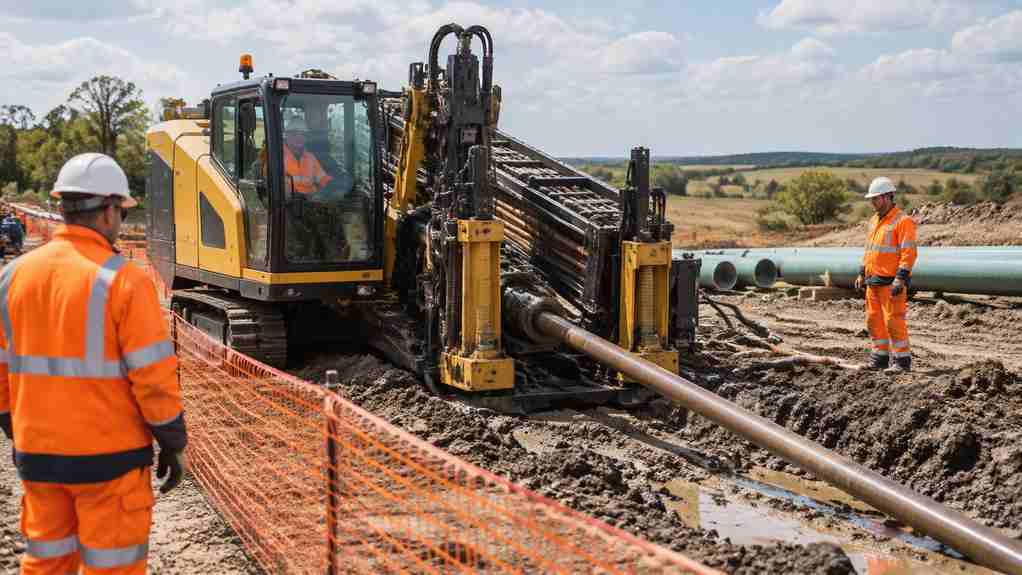
Last week, the Government published Accelerating Infrastructure – Report and Action Plan to help drive the efficient delivery of infrastructure across Ireland.
The Action Plan addresses the 12 barriers to infrastructure development that were highlighted in the Report on Stakeholder Consultation and Engagement with Emerging Themes on Infrastructure, published in July.
Thirty specific, time-bound measures have been designed to remove barriers. These actions represent a transformative approach to streamlining development processes and significantly reducing delivery timelines.
The Report outlines four pillars within which these reform actions fall:
- Legal Reform;
- Regulatory Reform and Simplification;
- Co-ordination and Delivery Reform; and
- Public Acceptance
Speaking today, Taoiseach Micheál Martin said:
“The launch of today’s Action Plan is about matching unprecedented investment in infrastructure with action and delivery. With the growth of our population and economy, we need this response – a comprehensive roadmap of targeted actions to tackle the core barriers to delivery of housing, energy, water, public transport and roads infrastructure.
An Taoiseach continued:
“This is not just a plan, it’s a practical pathway to improve delivery, strengthen coordination, and ensure that every euro of public investment delivers real, lasting benefits for communities across the country. Success will require all of us to play our part in driving this reform forward.”
By supporting the delivery of key infrastructure in water, electricity, and transport, this plan will create the foundation for the more timely delivery of housing, enterprise and social development across the country.
Tánaiste and Minister for Finance Simon Harris said:
“This plan is about reforming and rationalising the laws of our land and simplifying burdensome regulations so that we can enable and accelerate the delivery of key projects up and down the country. We will move quickly on legal and planning reforms. We will streamline decision-making. We will ensure accountability for delivery. We will end the situation where vital national projects are endlessly delayed or obstructed.
Minister Harris continued:
“We will do this not out of impatience, but out of responsibility — because the cost of inaction is too high for families waiting for homes, for communities waiting for transport, for businesses that rely on modern infrastructure to create jobs.”
Minister for Public Expenditure, Infrastructure, Public Service Reform and Digitalisation Jack Chambers said:
“This Report and Action Plan set out a bold vision for accelerating the delivery of infrastructure that underpins Ireland’s future. By removing barriers and streamlining processes, we are creating the conditions for faster, more efficient development that supports housing delivery, enterprise, and social progress.
“These measures will not only transform how critical projects are delivered but will strengthen the foundations for sustainable growth and prosperity for generations to come.”
Minister of State at the Department of Further and Higher Education, Research, Innovation and Science Marian Harkin said:
“The target actions contained in this report will make a vital contribution to accelerating the delivery of infrastructure across Ireland. Timely and efficient infrastructure development is essential to meeting the needs of our growing population, supporting economic competitiveness, and achieving our climate and sustainability goals.”
The Report and Action Plan highlights the complex and interconnected processes that stakeholders must navigate to deliver infrastructure projects successfully. In recognition of this complexity, the actions set out in the plan are designed to operate in a coordinated and integrated manner, ensuring a streamlined and effective approach to delivery.
Minister Chambers added:
“This Plan represents a clear and unified commitment to infrastructure delivery across every department, agency and semi state. It sets out not only what must be achieved but establishes the expectation that this government will act decisively to make it happen. The measures outlined are designed to move beyond aspiration to implementation, ensuring that the vision translates into real outcomes for communities and the country.”
The Accelerating Infrastructure – Report and Action Plan can be read here.