Stop‑work orders issued following propane facility blast
Manitoba’s Workplace Safety and Health (WSH) branch has halted certain operations following an explosion that injured three employees late last month, according to a report.
A provincial spokesperson said WSH inspectors have issued two stop‑work orders and one improvement order affecting service and maintenance activities at the site, as well as the use of a forklift at the propane distribution facility. The orders will remain in place until the employer can demonstrate compliance and address identified hazards.
Firefighters were dispatched at around 3:30 p.m. after a call about an explosion.
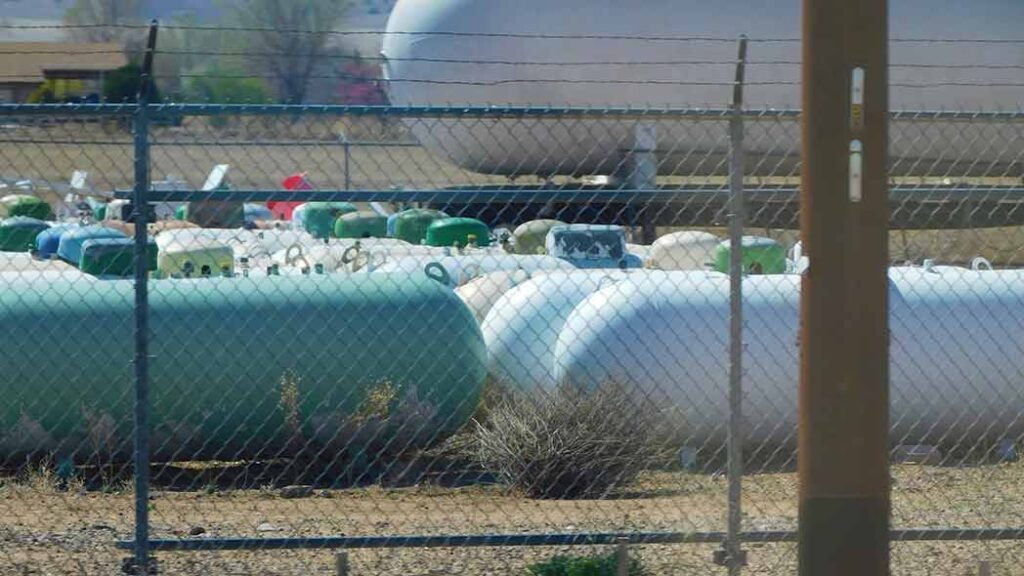
When crews arrived, they found a structure on fire that contained a substantial number of propane cylinders. Fire officials told CTV News the burning building held roughly 100 propane tanks, while three large tanks and an estimated 250 smaller cylinders were positioned around the outside of the structure. The size and configuration of the fuel inventory raised concerns about the risk of further explosions or rapid fire spread as emergency personnel worked to secure the area.
Two injured workers were transported from the facility to Winnipeg’s Health Sciences Centre — one by STARS Air Ambulance and the other by ground ambulance — according to earlier reporting by CTV News. A third worker was treated on scene and released.
RCMP said all three individuals sustained non‑life‑threatening injuries. A spokesperson for Shared Health told CTV News the patient flown by STARS was discharged from hospital later the same day.
Outside the structure, there were an additional two to three bulk tanks and about 250 more cylinders, significantly increasing the complexity and risk of the response, deputy fire chief Jason Kroeker said, according to a CBC report.
More than 2,000 tanks were also stored elsewhere on the property, according to the Winnipeg Free Press.
The province have said, citing an RCMP investigation, that the explosion originated in a gas cylinder.
In response, WSH has directed its orders at the facility’s service and maintenance work and at forklift operations, CTV News reported. While specific wording of the orders has not been released, measures of this kind typically require employers to suspend designated tasks, review and, if necessary, revise safe work procedures, verify worker training, and show that equipment is being used and maintained in line with regulatory and manufacturer requirements.
The ongoing WSH investigation is expected to examine how propane cylinders and tanks were stored and handled, what controls were in place for maintenance on gas systems and related equipment, and how powered industrial trucks were being operated in proximity to flammable gases. Investigators are also likely to assess whether existing risk assessments and safeguards were adequate for a site managing hundreds of propane containers.
Original Article – The Safety Mag
Manitoba’s Workplace Safety and Health (WSH) branch has halted certain operations following an explosion that injured three employees late last month, according to a report.
Paper-based documentation and processes limited visibility and the tracking of quality audits, non-conformances, and equipment status across different buildings. Preventative maintenance was difficult to prioritise, track, and report on. As the organisation continued to grow, maintaining consistent health and safety practices and quality standards became increasingly challenging.
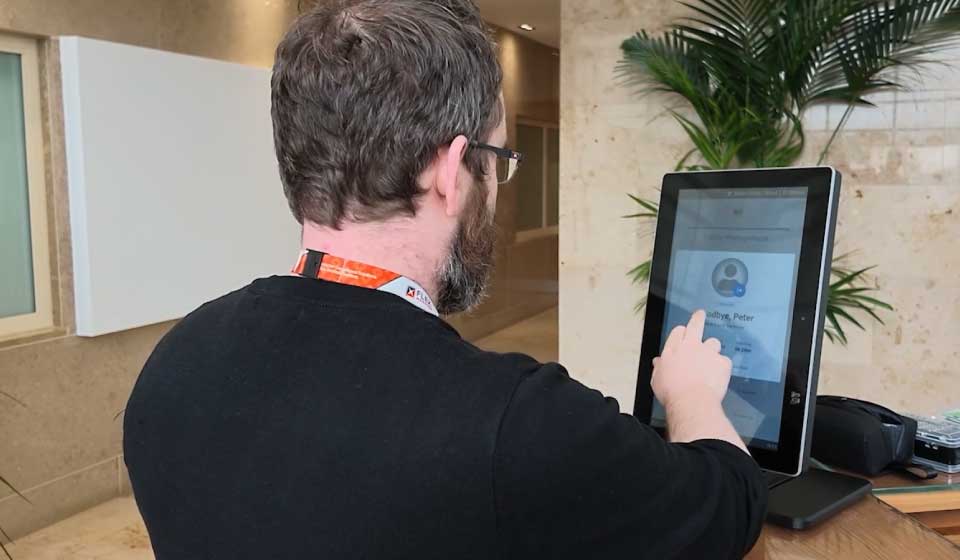
Compliance audits, incident investigations, and safety management all hinge on accurate, real-time location data. Yet, many organizations still rely on manual tracking, spreadsheets, or outdated systems, which can lead to gaps in compliance, delayed responses to incidents, and unnecessary operational risk. Geolocation technology is emerging as a gamechanger, offering the ability to monitor, verify, and manage workforce and assets with precision and accountability.
Job Hazard Analysis, Pre-task Planning, Safe Work Plan. Different organisations undertake the same process, but have different naming regimens. No matter what you call it, we have it covered through our Job Risk Management (JRM) module.
Thousands more young people will be given the opportunity to train as bricklayers, plumbers and engineers as the government creates 13,000 apprenticeship and T Level placement opportunities as part of its plan to transform school buildings.
Previously, we explored why Speak Up Safety matters. Understanding the risks of silence, the benefits of early reporting, and the role of culture sets the stage. Now, the focus shifts to how to put this into practice. Culture doesn’t change through slogans or posters. It changes when employees feel safe, supported, and confident that reporting hazards leads to action.
Safety observations are proactive reports of hazards, near-misses, or unsafe behaviours. When captured effectively, they can prevent incidents before they occur. Encouraging employees to consistently share observations, especially if they are anonymous, is often a challenge.
The UK's Department for Environment, Food & Rural Affairs published their Policy Paper entitled: "PFAS Plan: Building a safer Future together" on February 3rd.
Last week, the Canadian Construction Safety Council (CCSC) released its Critical Risks Guideline, a framework designed to prevent serious injuries and fatalities (SIFs) in the sector.
In high-risk industries, most serious incidents are preceded by warning signs such as near misses, unsafe behaviours, or hazards that someone noticed but did not report. Employees often stay silent because they are unsure how to raise concerns, fear blame, or believe nothing will change.
Last week, we were delighted to present prizes to the winners of the Shannon Region Open Water Swim League (SROWSL), an event we’re proud to sponsor. Congratulations to the overall 2025 winner, Cormac Lyons of Limerick Masters, along with all the swimmers who took part across the league.
Q1 is often a time when HSEQ or EHS professionals evaluate the different systems that they have in place for the running of their day-to-day operations. With a fresh perspective on what objectives are being prioritised for the year ahead, utilising an occupational health and safety (OHS) solution can make the difference. Here are 3 such solutions that you can put into focus to ensure your health and safety objectives are not only met, but surpassed.
Fill out the form below and one of our FlexPerts will contact you.