
FlexManager's 3 W's: The Where?

Where is a key aspect of FlexManagers connected solution.

Data silos can be prominent for organisations. Tasks are completed, employees are trained, and assets are assigned to specific sites, but an overview of these activities can be impossible to decipher across separate systems.

That’s why FlexManager is built around three core W’s: Where, What, and Who. Together, they form the backbone of a truly connected solution. This first iteration of the series focuses on the Where, which is often, even though it is crucial for providing context on operations.

The Where is More Than Just the Location

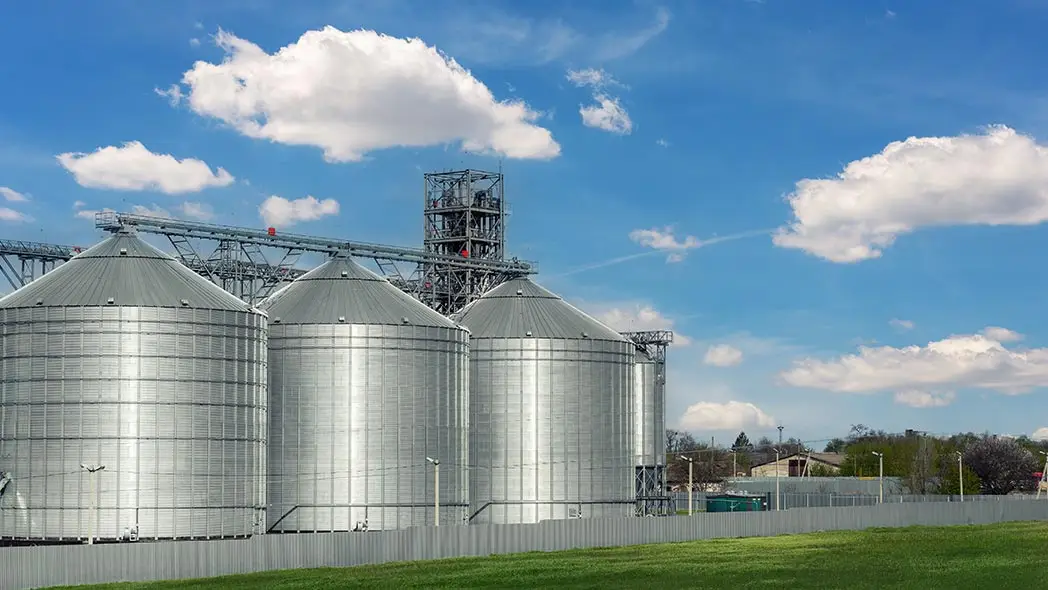
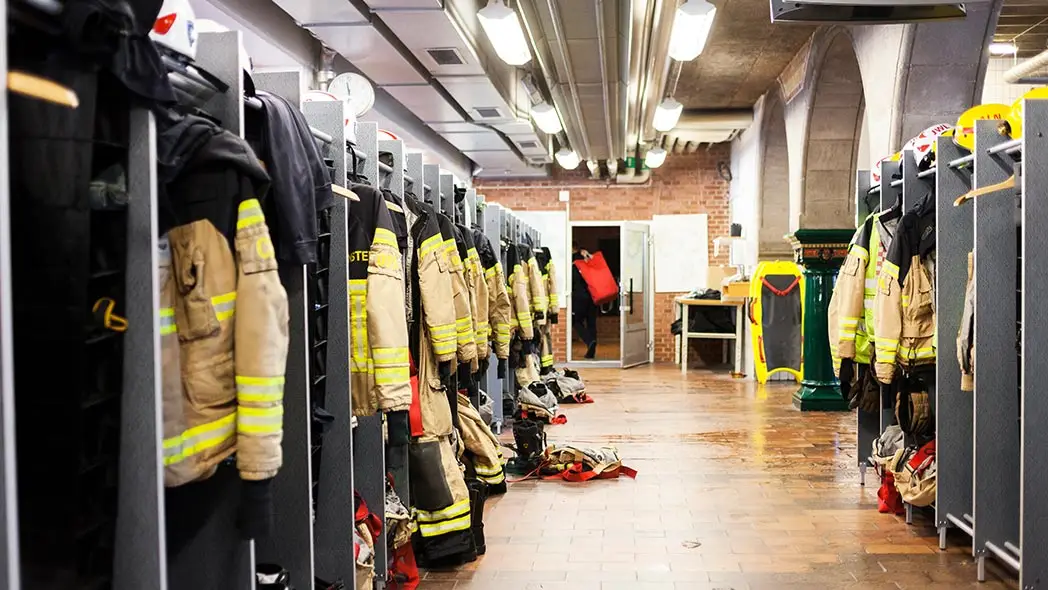
Where represents your operational footprint: sites, plants, buildings, zones, or work areas. But it’s not just a list of locations – it is the context layer that connects safety, compliance, and operations.

Every organisation operates across physical spaces, each with unique risks, controls, and responsibilities. Without a clear and consistent way to define those spaces, HSEQ data loses meaning. An inspection without a location, or an incident without context, makes it harder to prevent repeat issues or demonstrate compliance.

FlexManager’s Location Management module provides a structured way to define where work happens, creating a common reference point across the platform.

Why Where Is the Anchor for the Other W’s

The power of the Where becomes clear when it connects to the other two W’s:

    • What needs to be done? (Tasks, inspections, audits, corrective actions)
    • Who is responsible? (Employees, contractors, role-based accountability)

Without the Where, tasks float without context and accountability becomes unclear. For example:

    • A safety inspection is completed. Okay, but at which site?
    • A recurring incident is logged. Is it isolated to one area or widespread?
    • A contractor is approved. Are they authorised for that specific location?

By anchoring data to locations, FlexManager ensures that tasks are relevant, responsibilities are clear, and risks are visible. This is especially critical for organisations managing multiple sites or complex operations, where consistency and oversight are essential for standards like ISO 45001 and ISO 14001.

The “Where” is the starting point for meaningful HSEQ management. When locations are clearly defined and digitally connected, organisations gain better visibility, stronger compliance, and safer operations.

This post marks the first of FlexManager’s three W’s. Next, we’ll explore the “What”, and how structured task management drives consistency and follow-through. Finally, we’ll look at the “Who”, where accountability and competency come together. To learn more about the Three W’s of FlexManager, Book a demo or contact our team here.

Authored by Gearoid Noone

LinkedIn
Email
Facebook

Topics you may have missed

DOC-DM-OB-4