

HSA Issues Updated Guidance on Managing Stockpiles in the Quarry Industry

The Health and Safety Authority (HSA) has published updated guidance highlighting the risks associated with stockpiles in the quarrying sector, with a strong emphasis on hazard identification and risk assessment.

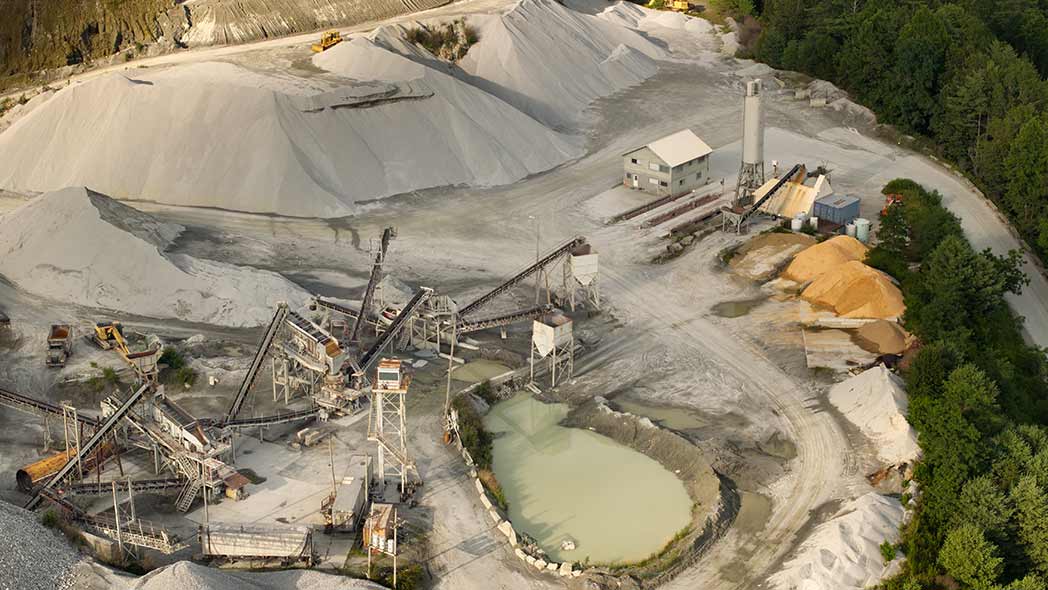
The document outlines that stockpiles should be treated as high-risk structures, similar to tips, due to the potential for collapse, instability, and vehicle-related incidents. The HSA identifies key hazards including slope failure, material flow, edge instability, and the risk of vehicles overturning during tipping or loading operations.

A central message in the guidance is the importance of carrying out a thorough risk assessment before stockpiles are constructed or modified. Operators are advised to assess factors such as material type, ground conditions, drainage, pile height, and environmental influences like rainfall. These elements can significantly impact stability and must be carefully considered to reduce the likelihood of failure.

The guidance also highlights the need for safe operational controls. Recommended measures include the use of edge protection such as bunds, clearly defined traffic routes, and, where possible, the separation of tipping and loading activities to minimise interaction risks.

Ongoing inspection and monitoring are identified as essential. The HSA advises that stockpiles should be regularly assessed for signs of movement or instability, particularly after adverse weather conditions, with clear procedures in place to respond to any issues identified.

Overall, the HSA’s guidance reinforces that effective stockpile management relies on proactive hazard identification, robust risk assessment, and continuous monitoring to ensure safe quarry operations.

The full guidance document is available on the HSA website