

Quality Improvement: Moving Beyond Compliance

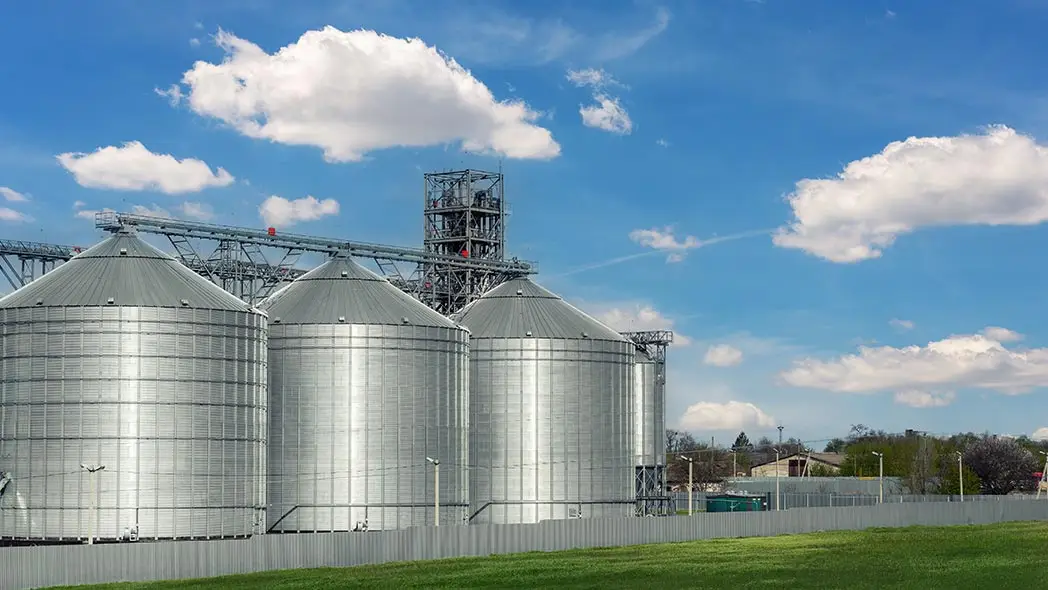
Quality improvement aspects in a manufacturing context for upgraded processes.

For many organisations, “quality” in HSEQ is often reduced to passing audits, closing non-conformances, or keeping documentation up to date. While compliance is essential, it is only the baseline. True quality improvement is about consistently improving how work is planned, executed and reviewed. This in turn can contribute to organisational goals such as reducing risk, rework, and variability across operations. For HSEQ professionals, the challenge lies in shifting quality from a reactive, audit-driven exercise to a continuous, embedded process.

Quality Improvement and its Challenges

Quality improvement in an HSEQ context means creating systems that actively identify gaps, learn from them, and apply improvements before issues escalate. In practice, this is where many organisations struggle. Paper-based audits disconnected corrective actions and limited visibility make it difficult to see patterns or track whether improvements are actually working. Over time, this leads to repeated findings, inconsistent standards between sites, and frustration for both operational teams and quality managers.

Convert Quality Improvement into a Day-to-Day Practice

A structured, digital approach helps turn quality improvement into a practical, day-to-day activity. When inspections, audits and non-conformances are captured consistently, organisations gain a clearer picture of where processes break down.

FlexManager’s Audits & Inspections, Asset Inspections, and Task Manager modules support this by linking findings directly to actions, responsibilities and due dates. This creates accountability and traceability. Instead of quality living in spreadsheets or filing cabinets, improvement activities become visible, measurable and easier to manage across sites and teams.

Engage the Frontline to Drive Sustainable Quality Outcomes

Sustainable quality improvement also relies on engagement from the frontline. If systems are difficult to use, data quality suffers and improvement stalls. Mobile-friendly tools allow workers to capture quality checks, defects or improvement opportunities in real time, at the point of work. Over time, this data can be analysed to identify recurring issues, process weaknesses or training gaps. This is where quality, safety and operational performance intersect. These fewer defects often mean fewer incidents, less downtime and more consistent outcomes.

Quality improvement is key to creating feedback loops that drive better decisions and safer, more efficient operations. By digitising audits, corrective actions and quality workflows, organisations can move beyond compliance and build a culture of continuous improvement.

To learn how FlexManager supports quality improvement across HSEQ, book a demo here or reach out to our team through our Contact section. 

Authored by Gearoid Noone

LinkedIn
Email
Facebook

Topics you may have missed

DOC-DM-OB-4