

Common Root-Cause Methods and When to Use Them

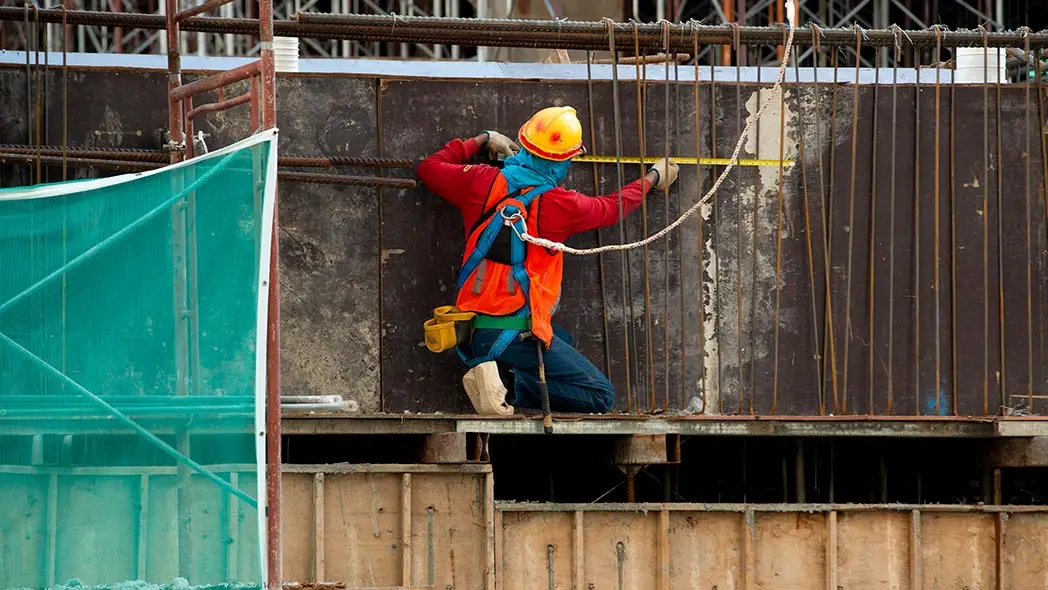
Root cause methods being demonstrated by HSEQ professionals that have encountered a barrier.

In the previous installment of this series where we look into Root-Cause Analysis (RCA) we explored what RCA is and why it matters. Now it is time to look at the tools and methods you can use to find underlying causes. Each method has its strengths and works best in specific situations, so knowing which one to choose can make your investigation more effective.

The 5 Whys

This is a simple but powerful method. You start with the problem and ask why it happened. Then you ask why again. Keep going until you reach the underlying cause.

E.g. A machine stopped working

    • Why 1: The fuse blew
    • Why 2: The motor overheated
    • Why 3: The motor bearings were worn
    • Why 4: Maintenance checks were skipped
    • Why 5: There was no clear maintenance schedule

The 5 Whys is ideal for straightforward issues where the root cause is not immediately obvious.

Fishbone Diagram (Ishikawa)

Also called a cause-and-effect diagram, this method helps teams visually map out possible causes under different categories such as People, Process, Equipment, Materials, and Environment.

It works well for complex issues where multiple factors may contribute to a problem. Seeing everything in one diagram helps teams spot connections they might have missed.

Fault Tree Analysis

This method uses a top-down approach to map how a failure can occur. Start with the main problem at the top and branch down through potential causes, showing how they combine to create the issue.

Fault Tree Analysis is useful when dealing with high-risk situations or where safety and compliance are critical. It helps teams assess how different factors interact.

Consider your approach

The key is to match the method to the type of incident and the level of complexity. Choosing the right root-cause method makes your investigations more focused and effective. Remember to build on what you learned earlier in this series; always look beyond surface issues and focus on underlying causes.

In the next and final part of the Root-Cause Analysis series, we will cover how to run an effective RCA, including team roles, gathering evidence, and turning findings into actionable improvements.

Authored by Gearoid Noone

LinkedIn
Email
Facebook

Topics you may have missed

DOC-DM-OB-4