
Fire and Rescue Service Compliance: Lessons from France’s Wildfires
France's intense 2026 wildfire season highlights the pressure on fire and rescue service compliance. See how digital tools support readiness.
The cultural change needed to bring about a shift in fire safety starts with a recognition of a duty of care by all of those responsible across multiple sectors, says growing fire safety body Fire Aware.
Everyone involved in the design, construction, maintenance and letting of the built environment needs to understand that they have an obligation to fire safety even if their business is not directly connected with fire specialisms, says the expanding fire safety organisation.
Dame Judith Hackitt – who led the Grenfell Inquiry – has called for cultural change through moral and ethical behaviours, recently supported by the new independent Building Safety Regulator which has been created to “promote competence and higher standards.”
Fire Aware CEO Gavin Skelly said: “We have many members who are not directly connected to fire safety but still accept they have a duty of care for public safety. People can get hurt through a fire incident even if it is by the actions of people way outside of the fire specialisms.
“Committing to the moral and ethical values of being fire safe is more than a job. It’s a way of life and a vocation. Our members are all of the same mind and we are moving towards raising the bar of standards, competence and commitment to fire safety of the public. Ultimately, we are talking about protecting people.”
Sectors which are particularly vulnerable to fire risk include the hospitality sector – with the many bars, restaurants and hotels which are trusted to protect their customers – and healthcare which has to protect many vulnerable and elderly people including those who cannot look after themselves in the event of a real fire.
Fire Aware continues to focus on the moral responsibility of all those working in the fire safety supply chain including designers, developers, asset owners, managers and other stakeholders.
It aims to change the culture of the built environment sector by introducing a moral code of conduct via a series of charters designed to influence how member companies behave in upholding their duty of care.
Fire Aware is a recognised membership body serving the built environment and related sectors with a common aim to work and trade responsibly to all best practice standards in the interests of the safety of the general public.
Original Article – Construction Mag UK
France's intense 2026 wildfire season highlights the pressure on fire and rescue service compliance. See how digital tools support readiness.
Stock management often sits quietly in the background, until something goes wrong. A missing part delays a repair. PPE runs out at the worst possible moment. An audit highlights gaps in records. Suddenly, what seemed like a routine process becomes a risk to operations, safety, and compliance.
Ontario's second Construction Death Review flags worker experience and equipment gaps. See what it means for construction safety compliance.
HSE's 2025/26 figures show falls from height still top UK workplace fatalities. See what it means for workplace safety compliance today.
HSE issued its first Prohibition Notice against an occupational health provider. See what it means for health surveillance compliance and contractor management.
For many organisations, managing HSEQ compliance has traditionally meant juggling spreadsheets, paper records, and disconnected systems. The result? Time-consuming processes, limited visibility, and a higher risk of errors or missed obligations.
Germany's TÜV Building Report 2026 found 35.9% of technical building systems have major defects, including fire suppression and ventilation. Here is what it means for facilities managers everywhere.
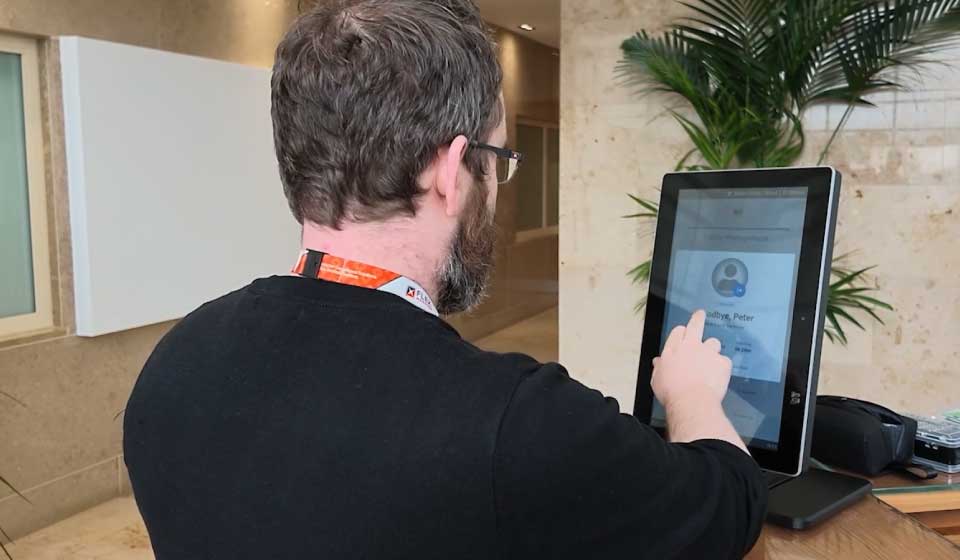
For organisations operating across multiple sites or with contractor teams, managing access isn’t just about security, it’s about safety, compliance, and operational efficiency. Every individual entering a site or performing tasks should be authorised, trained, and verified.
The HSA and HSENI have launched a joint all-island silica dust inspection campaign for construction sites running June to August 2026. Here is what employers need to do to stay compliant.
Esso was fined £1 million after corrosion identified in 2010 caused a catastrophic gas leak in 2022. The Fawley verdict is a warning for every organisation managing ageing industrial assets.
France has launched its National Occupational Health Plan 2026–2030, raising the bar on workplace safety compliance, risk assessments, and contractor worker training. Here is what it means for employers.
Whether it’s improving data accuracy, streamlining training, or equipping teams with durable technology, FlexManager has you covered with reliable products that provide assurance in compliance for organisations. We are looking back at our "Product Showcases" to explore once more how our centralised solution can work with technology to transform day-to-day operations for our clients. Let's revisit each product featured, what it offers, and why it matters.
Fill out the form below and one of our FlexPerts will contact you.