FlexManager is exhibiting at the Medtech Conference 2026
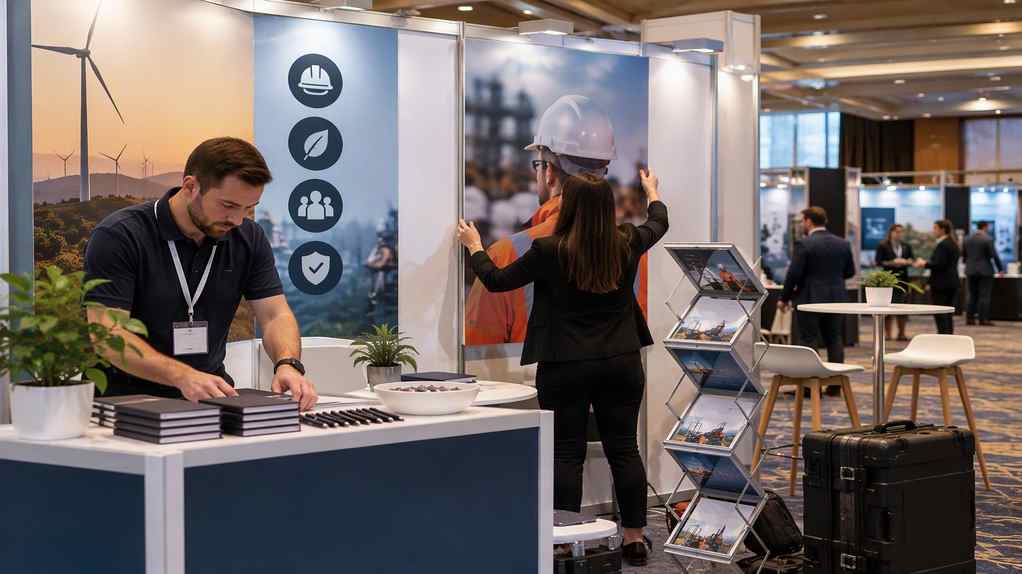
FlexManager is excited to announce that we will be exhibiting at the MedTech Innovation Expo 2026, taking place on 30 April at the Dexcom Stadium in Galway.
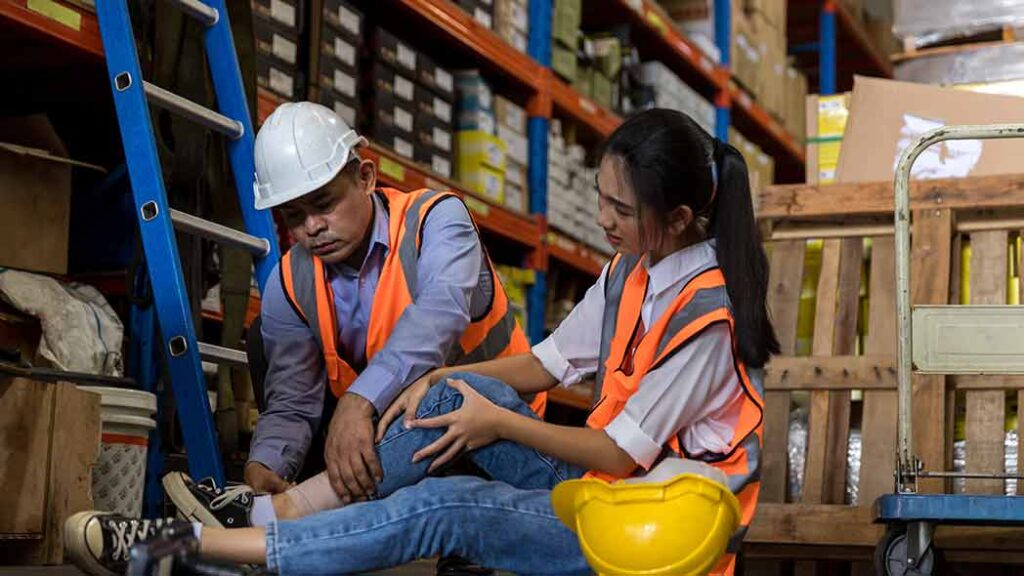
Nova Scotia’s workers’ compensation system is reporting faster recoveries and fewer long-term injuries in 2025, with the province’s workers spending tens of thousands more days on the job instead of off work due to workplace injuries, according to new figures from WCB Nova Scotia.
Anchored by its “Protect More” strategic plan to prevent more injuries and support people back to their job sooner after an injury, the Workers’ Compensation Board says it helped add 83,000 more working days to Nova Scotia’s labour force in 2025 compared with 2024. The organization frames that gain as the equivalent of more than 300 people working full-time for a year, time that translates into direct service across key sectors, including health care, construction and business operations.
WCB says those additional days at work are part of broader progress toward its strategic target of restoring the equivalent of 1,000 full-time jobs to the workforce by the end of 2030 through better injury prevention and return-to-work outcomes.
Key performance indicators all moved in a positive direction in 2025. Time-loss days fell to 226 per 100 covered workers, down from 269 the previous year. The number of Nova Scotians moving onto long-term benefits dropped sharply to 240 from 451 in 2024. Workplace injury rates also reached their lowest recorded level, at 1.22 injuries per 100 covered workers as of October, which WCB says represents roughly 400 fewer people injured on the job in 2025.
These results are tied to “Safer Workplaces Together,” a collaborative prevention strategy that brings government and industry partners into shared planning around workplace safety. WCB reports it is already two-thirds of the way to its 2030 prevention goal, even as it simultaneously improves return-to-work performance.
According to WCB CEO Karen Adams, the recent progress is rooted in clearer expectations for all parties in the system.

“WCB’s remarkable success is down to one word: accountability,” says Adams. “We are holding ourselves accountable to get back to people quickly. We are holding employers accountable to keep workers safe and accommodate them in the event of injury. We are holding healthcare service providers accountable to help people get back to work safely. And we are holding workers accountable too. WCB is different now. We’re showing up differently for our fellow Nova Scotians.”
WCB highlights closer, hands-on partnerships with employers as a major driver of change, citing work with the provincial Public Works department, one of Nova Scotia’s largest government bodies. Joint efforts have focused on tailoring training and education to frontline roles, alongside streamlining access to assessments. As a result, the average wait time for an assessment has dropped to about five days, which WCB says has reduced time-loss days.
“There’s been real, meaningful action from this partnership,” said Dan Leopold, executive director with Public Works. “In May 2025, 50 per cent of people with a workplace injury were back on the job within 30 days. Because of the work we’ve done together, it’s now 70 per cent and that’s a significant improvement in just eight months.”
With what it describes as a now financially stable system, WCB says it is positioned to deliver the first employer rate cut in more than 30 years, scheduled for 2027. Those rate reductions will coincide with recent government changes that fully index worker benefits to inflation, intended to help injured workers maintain their standard of living while recovering off the job.
Original Article – The Safety Mag
FlexManager is excited to announce that we will be exhibiting at the MedTech Innovation Expo 2026, taking place on 30 April at the Dexcom Stadium in Galway.
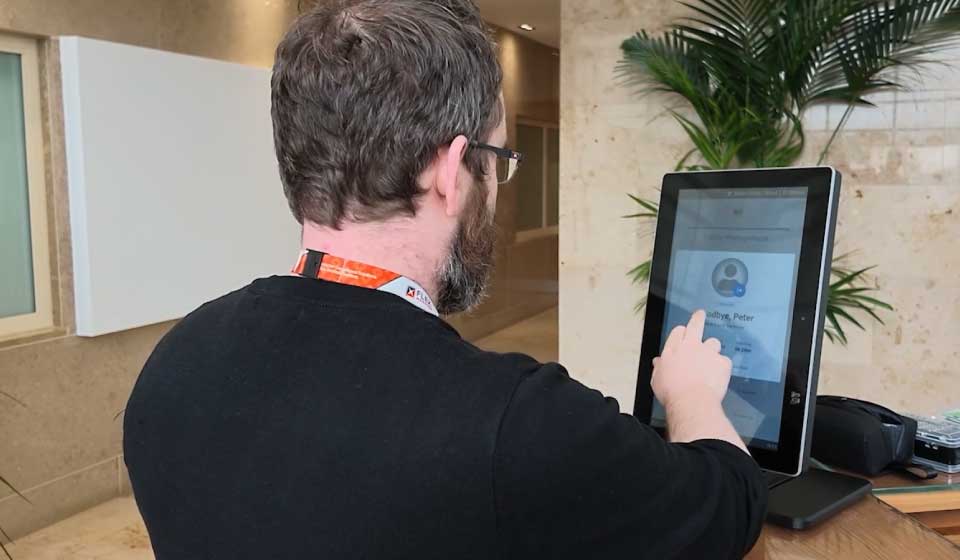
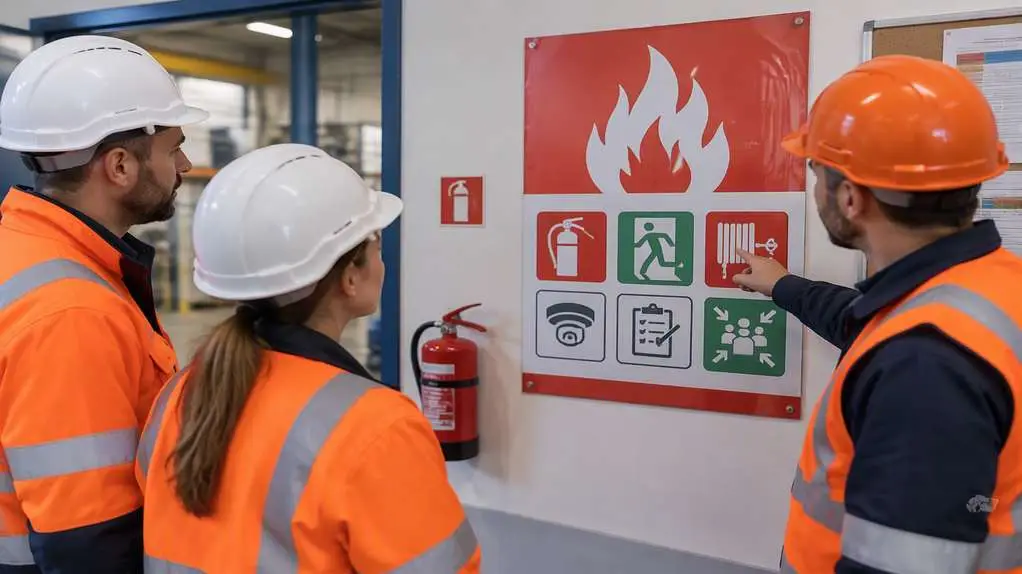
Top 3 Operational Advantages for Fire Services Using FlexManager Fire services operate in complex, high-pressure environments where operational efficiency directly impacts response effectiveness and safety. Every process, from equipment checks to contractor coordination, needs to work seamlessly. However, many organisations still rely on manual processes or disconnected systems. This can lead to delays, reduced visibility,…
Enterprise Ireland’s New Frontiers is the nationwide programme for ambitious startup founders with an innovative business idea that has the potential to scale and provide employment.
A risk-averse quality expert is the guardian of consistency. Their role is to ensure that processes are followed, outcomes are repeatable, and defects are addressed in a way that prevents long-term recurrence.
Infrastructure company Murphy is carrying out what it calls the first permanent-works use in the UK of concrete made with low-carbon cement from Dublin-headquartered firm Ecocem.
We had a fantastic time at the National Construction Summit 2026 last week. Our team was located at Stand B03 where we were showed how our digital workplace compliance tool could change the way organisations work.
The Ontario government is supporting a $125 million investment through the Workplace Safety and Insurance Board (WSIB) to establish a permanent Ontario Mine Rescue Training Institute in Sudbury, aimed at strengthening worker safety and emergency preparedness across the province’s mining sector.
In today’s fast-paced operational environment, HSEQ and compliance managers face a familiar challenge: how to ensure employees stay compliant and safe without losing hours to long, traditional training sessions. Lengthy classroom-style, day-long workshops often lead to disengagement, information overload, and poor retention of critical safety knowledge.
We are proud to share that FlexManager has been recognised as the Best H&S Software Solutions Provider at the Irish Enterprise Awards.
Last week, we had the opportunity to exhibit at the 2026 Institute of Asphalt Technology (IAT) Ireland Seminar at the Hodson Bay Hotel, Athlone. This event brought together industry experts to explore the latest innovations in asphalt technology, sustainable infrastructure, and pavement management.
A West Midlands based construction company has been fined after Britain’s workplace regulator found repeated failures at four different construction sites across the region.
Manufacturing environments are complex, fast-moving and inherently high-risk. There are no shortcuts for managing the health, safety, quality, and environment in this industry, with multiple production lines, contractors, assets, and regulatory requirements to manage. Without the right systems, there is an increased risk of operational inefficiency, safety incidents, and inconsistent quality.
Fill out the form below and one of our FlexPerts will contact you.