

Streamlining JHAs for Safer Operations

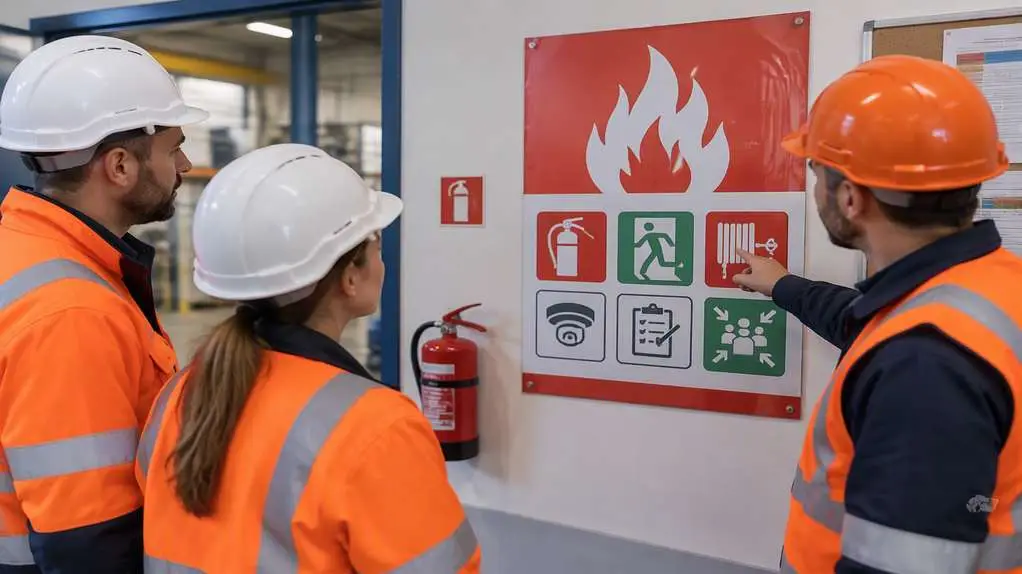
JHA or Job Hazard analysis represented by a HSEQ professional checking what tools he has to address upcoming risks.

Every job carries risks, even routine tasks. A Job Hazard Analysis (JHA)/Job Risk Management (JRM) task breaks a job into individual steps, identifies potential hazards at each stage, and defines control measures to reduce risk. For HSEQ professionals and operations managers, JHAs are critical tools for preventing injuries, ensuring compliance, and maintaining operational efficiency.

Yet many organisations struggle with inconsistent or incomplete JHAs. Paper-based systems can get lost, updates are slow, and critical hazards may go unnoticed. This creates not only safety risks but also compliance challenges during audits or regulatory inspections.

The Benefits of a Strong JHA Process

When done consistently, JHAs provide clear value:

    • Protect workers and contractors by proactively identifying hazards
    • Reduce incidents and near misses, preventing downtime and associated costs
    • Support compliance with standards such as ISO 45001 and OSHA
    • Enable continuous improvement through documented insights and lessons learned

A strong JHA process also creates clarity for everyone involved. Workers understand exactly what steps carry risk and what controls must be applied, while managers can track safety performance across teams and sites.

Common Challenges in Manual JHAs

Many organisations rely on paper or static digital forms, which can make JHAs time-consuming and error prone. Typical challenges include:

    • Missing or incomplete hazard documentation
    • Difficulty tracking updates and versions
    • Limited visibility for managers across multiple sites
    • Hard-to-analyse trends for proactive risk management

These gaps can lead to unsafe practices, non-compliance, and lost opportunities to prevent incidents before they happen.

Want to find out how FlexManager's JRM module can help?


Create and store JHAs digitally, ensuring all steps, hazards, and controls are recorded accurately

Track updates and maintain version control, with automatic notifications for revisions

Access JHAs in the field via mobile devices, so workers have the information at their fingertips

Best Practices for Effective JHAs

To maximise impact, organisations should integrate JHAs into everyday operations:

    • Engage workers directly in identifying hazards for each task
    • Review and update JHAs regularly to reflect changes in processes or equipment
    • Ensure supervisors and teams always have access to the latest versions
    • Use analytics to highlight recurring hazards and refine control measures

FlexManager’s JRM/JHA tool supports each of these steps, providing the visibility and control needed to make JHAs actionable rather than administrative.

Job Hazard Analyses are only as effective as the process supporting them. A streamlined, digital approach reduces risk, improves compliance, and creates safer, more efficient operations. By integrating the JRM/JHA tool, organisations can simplify the creation, tracking, and review of JHAs, making safety an active part of daily work rather than an afterthought.

Authored by Gearoid Noone

LinkedIn
Email
Facebook

Topics you may have missed

DOC-DM-OB-4