

Crane Safety Compliance: Lessons from a Melbourne Crane Collapse
A Melbourne crane collapse exposes gaps in crane safety compliance. See how FlexManager tracks asset inspections and safety overrides in real time.

At INTERSCHUTZ 2026, fire services from across the globe are coming together to explore the future of emergency response. One trend stands out clearly: the move away from paper-based, disconnected processes towards fully connected operational systems.
For many organisations, managing assets, audits, contractors, and reporting still involves a mix of spreadsheets, paperwork, and manual processes. This creates unnecessary administrative workload, limits visibility, and increases operational risk. The focus is now shifting towards tools that work in real time, across locations, and in the field.
Here are four game-changing capabilities helping fire services make that transition.
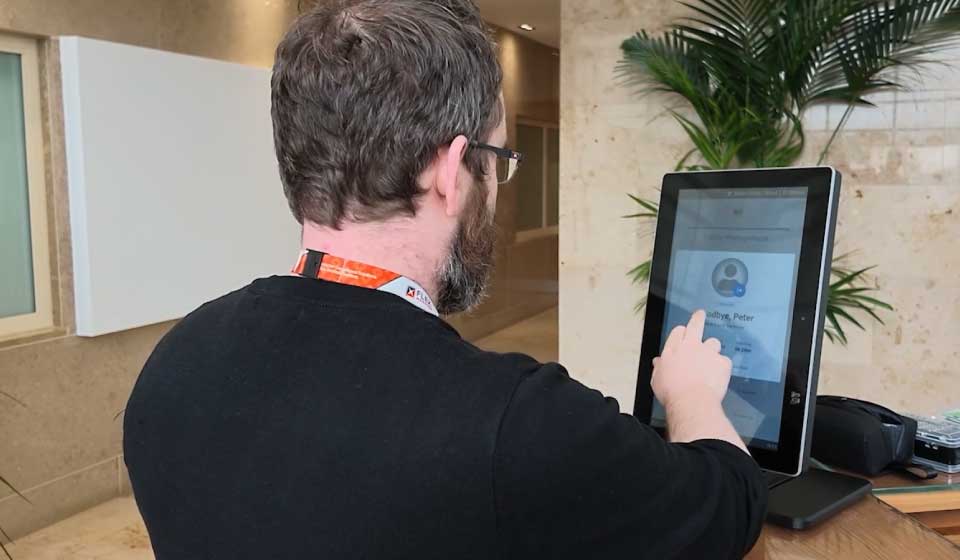
Personnel in the fire service industry move constantly between stations, vehicles, and incident scenes. When systems do not sync between mobile and desktop, it leads to delays, duplicated work, and missed information.
A fully connected platform ensures that data entered in the field is instantly available across the organisation.
With FlexManager’s mobile-to-desktop integration, inspections, audits, and updates completed on-site are immediately visible to teams back at base.
The impact:
In high-pressure environments, usability matters. If a system is slow, unreliable, or difficult to use in the field, it simply will not be used. Discussions at INTERSCHUTZ are seeking to delve deeper into these ideas and how they can be resolved.
FlexManager’s native iOS and Android app is designed specifically for frontline environments, allowing personnel to complete inspections, audits, and reports quickly and efficiently.Â
Unlike web-based systems, a native app provides a smoother, more reliable user experience, even in challenging conditions.
The impact:
Fire services regularly rely on external contractors for maintenance, inspections, and specialist work. Ensuring that every contractor is qualified and compliant before arriving on site is critical.
Manual onboarding processes can be slow and prone to error, increasing both administrative burden and operational risk.
FlexManager’s digital contractor verification ensures that all documentation, certifications, and approvals are checked and validated before work begins.
The impact:
Fire services often operate across regions, with diverse teams and external partners. Language barriers can create confusion, slow down processes, and impact adoption of digital systems.
FlexManager’s integration with Google Translate APIs allows users to interact with the platform in multiple languages, making it more accessible for all users.
This is particularly relevant discussion point at an international setting like INTERSCHUTZ, where international collaboration is essential.
The impact:
By connecting systems, supporting frontline users, simplifying contractor management, and removing language barriers, fire services can operate more efficiently and with greater confidence.
FlexManager is designed to support this shift, helping organisations move from fragmented processes to structured, connected operations. Keep an eye on our GameChangers Blog Series in our Company News section, where we will are discussing how FlexManager provides the above features and many more for our clients.
A Melbourne crane collapse exposes gaps in crane safety compliance. See how FlexManager tracks asset inspections and safety overrides in real time.
A $624,000 asbestos fine shows why contractor safety compliance needs verified certifications. See how FlexManager keeps facilities managers covered.
A repeat £120,000 fine shows why manual handling compliance needs ongoing tracking. See how FlexManager keeps corrective actions from lapsing.
Stock issues, asset failures, missed inspections, and contractor gaps rarely happen in isolation. They are usually symptoms of the same underlying problem. Limited visibility, inconsistent processes, and too much reliance on manual systems.
A £1 million fine highlights machine guarding compliance gaps in manufacturing. See how FlexManager helps prove asset inspection and maintenance history.
Contractors are critical to operations, but they also introduce risk. Expired certifications, unclear responsibilities, or insufficient site knowledge can quickly create compliance issues.
Ireland's 2026 heatwave puts sun and heat safety compliance in focus. See how FlexManager keeps UV risk assessments and toolbox talks on record.
Two Texas OSHA cases expose contractor safety compliance gaps in confined space and staffing. See how FlexManager manages contractor pre-qualification.
What Good Looks Like: On-site Audits & Inspections On-site audits and inspections are a core part of HSEQ and compliance. But when they are not managed well, they quickly become a source of stress. Missed checks, inconsistent records, and unclear follow-ups can lead to more than just admin headaches. They create real risks around safety,…
Germany moves toward risk-based electrical equipment inspection compliance. See how FlexManager tracks asset inspections and keeps you audit-ready.
Peter Mullins, Director of Business Development at FlexManager, gives an overview of our Incident Reporting module, covering how incidents can be created and categorised by type, each with its own bespoke review workflow, and how the module connects directly into Asset Management and Training records.
Struggling with missing assets or unknown locations? FlexManager's Asset Management module uses NFC technology to give every asset a digital identity, so your team can scan, identify, and know everything instantly. As part of our Plant & Equipment core solution, this module offers organisations control and oversight of their stock, in an efficient, real-time platform that is designed to fit your process.Â
DOC-DM-OB-4
Fill out the form below and one of our FlexPerts will contact you.