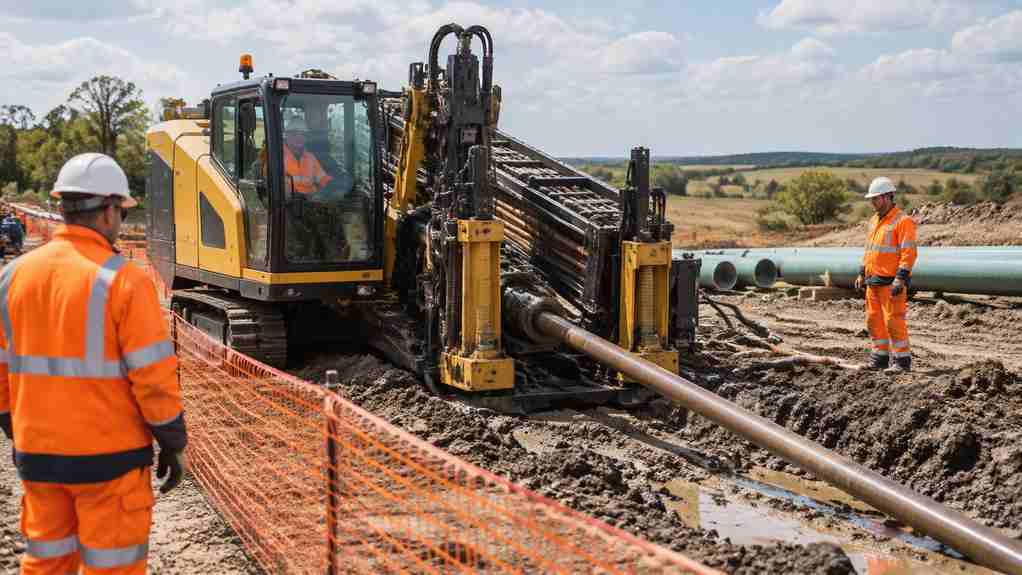


Traffic Management Compliance: Lessons From a €1.2m Ireland Fine
Traffic management compliance failures led to a €1.2m fine for an Irish roadworks contractor. See how digital RAMS reduce public road risk.

We are well and truly into the summer months. With this in mind, it is important to adapt to our environment and avoid any dangers related to extreme temperatures. Heat stress and dehydration can cause more than just discomfort; it can pose serious risk to health and safety. Here are 5 essential tips for working in heat.
It is important to know the warning signs of heat stress. These include:
If you experience any of these symptoms, the first port of call is to move to a cooler place, drink fluids, and taking a few minutes to re-compose yourself. If you are a team leader, you may consider organizing a Toolbox Talk to inform your team on the signs of heat stress.
A key factor in preventing heat stress is maintaining hydration. Drinking water regularly first thing in the morning, even if you are not thirsty, is a great tactic to ensure you are adequately hydrated.
Caffeine and alcohol can be avoided if possible as these are contributors to dehydration. Alternatives to water include electrolyte-rich or sports drinks.
Wherever you are working it is important to identify shaded areas that, if you find yourself with a couple of minutes to take a break, can be used to allow you to be in a cooler area. These can be identified by conducting a Health and Safety audit of the work location. Take the time to cool off throughout the day. If no shaded area is available, bringing a towel to cool yourself can bring down your body temperature, reducing the likelihood of heat-related stress.
When working in the heat, you’re not only responsible for yourself, but you also need to keep an eye on your teammates! It is essential that everyone gets home from work safely, so if you notice someone showing signs listed in Tip 1, encourage them to take a break and hydrate. If there are extreme temperatures, it may be smart to create a buddy system to hold each other accountable.
Never underestimate the power of the sun. Wearing high-SPF sunscreen that is applied every 2-3 hours and UV-rated sunglasses can significantly reduce your risk of sunburn, heat exhaustion, and potential long-term skin damage. If possible, opt for lightweight, long-sleeved clothing to shield your skin without overheating.
This summer, work together to stay safe, cool, and productive as the temperatures rise. Remember that the health and well-being of personnel is the primary goal when on-site.
To find out more about how FlexManager can assist you in keeping your workforce safe in extreme weather conditions, reach out to our team in the Contact section on FlexManager.com.Â
Traffic management compliance failures led to a €1.2m fine for an Irish roadworks contractor. See how digital RAMS reduce public road risk.
Women in construction safety take the spotlight as an Irish health and safety officer is crowned Miss Galaxy International. See how FlexManager supports diverse safety teams.
A fatal Saskatoon incident puts mobile plant safety back in focus. See how digital risk assessments protect workers around moving equipment.
Work at height compliance gaps led to a £20,000 fine after a UK roof fall. See how digital RAMS and inspections prevent repeat failures.
Two UK port forklift fines expose the same workplace transport compliance gap. See how FlexManager keeps traffic and pedestrian plans live, not filed away.
In high-pressure environments, contractor management often becomes a race against time. Projects must stay on schedule, downtime needs to be minimised, and contractors are expected to get to work quickly. But when speed overrides process, safety and compliance risks increase significantly.
Chemical safety compliance failures led to a $794,000 OSHA fine and two deaths at a US mill. See how FlexManager closes training gaps.
In many industries, patterns in safety incidents are rarely random. One trend that consistently emerges in HSEQ reporting is a spike in incidents toward the end of a shift. For safety and operations professionals, understanding why this happens is critical to improving compliance, reducing risk, and protecting both people and assets.
Quality assurance compliance gaps let faulty imported steel collapse part of an Australian public building. See how FlexManager helps.
Contractors and subcontractors play a vital role in modern operations. From maintenance and construction to specialist services, organisations rely on external expertise to keep things running. However, with that reliance comes increased risk, particularly when contractor compliance is not properly managed.
Machinery safety compliance failures cost an Irish manufacturer €400,000 after a fatal design flaw. See how FlexManager strengthens QA.
Demolition safety compliance failed when a UK site skipped its method statement. See how FlexManager's RAMS and permits close this gap.
Fill out the form below and one of our FlexPerts will contact you.