

How to Run an Effective Meeting: Structure, Accountability, and the Right Tools

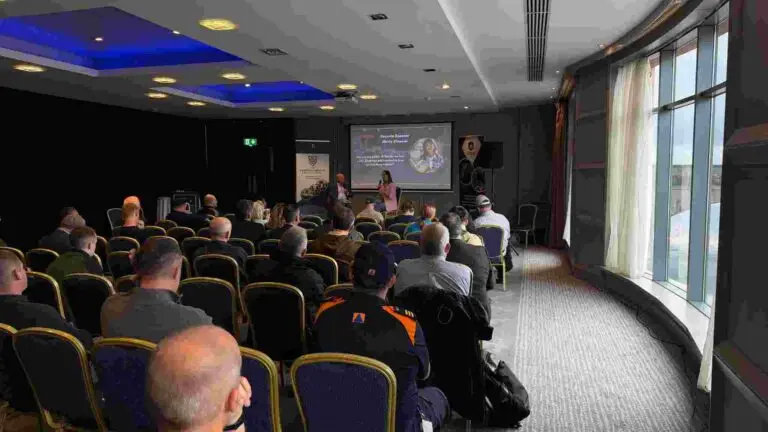
In fast-moving organisations, meetings are more than routine. They are essential touchpoints for alignment, safety, and continuous improvement. Whether it’s a daily briefing, a safety toolbox talk, or a monthly compliance review, meetings must be structured, purposeful, and actionable.
Yet many organisations still struggle with meetings that lack direction or fail to capture outcomes. In many industries, this can result in a double whammy of inefficiency and increased safety risk.
When Meetings Don’t Deliver
Without a clear structure or documented output, meetings can become time-consuming exercises with little operational value.
Common challenges include:
- No central record of attendance or actions: Without a reliable, centralised log, it’s easy for accountability to fall through the cracks. Action items get lost, and attendance can’t be verified during audits or reviews.
- Poor visibility of outcomes across departments: Key decisions made in meetings often stay siloed, meaning other departments are unaware of critical updates that impact their work.
- Inability to link meetings to compliance, risks, or ongoing improvement: Meetings should support the broader organisation. When they’re disconnected from this ecosystem, their long-term value diminishes.
Missed insights, untracked responsibilities, and reduced engagement across teams are the typical results of unstructured meetings. These can feel like a waste of organisational resources that could have been otherwise allocated elsewhere.
What Makes a Meeting Effective?
An effective meeting provides structure, purpose, and traceability. It supports compliance while enabling real-time operational awareness. This includes:
- Clearly defined objective: Every meeting should have a specific purpose to keep discussions focused and outcome-driven.
- Engage the right people: Involve relevant, informed stakeholders who will engage in the meeting.
- Capture decisions made and people responsible: Create clear records of decisions, actions, and people responsbile for said actions to ensure transparency.
- Ensuring follow-up is tracked and recorded: Having action items tracked allows for accountability to extend outside the meeting. Persons responsible will be motivated to drive progress of projects.
Ensure Effective meetings using FlexManager
FlexManager offers two dedicated modules designed to improve how your teams manage and deliver meetings:
- The Meetings Module helps teams schedule, document, and track meetings in one system. Actions can be assigned and followed through with clear accountability and audit-ready reporting.
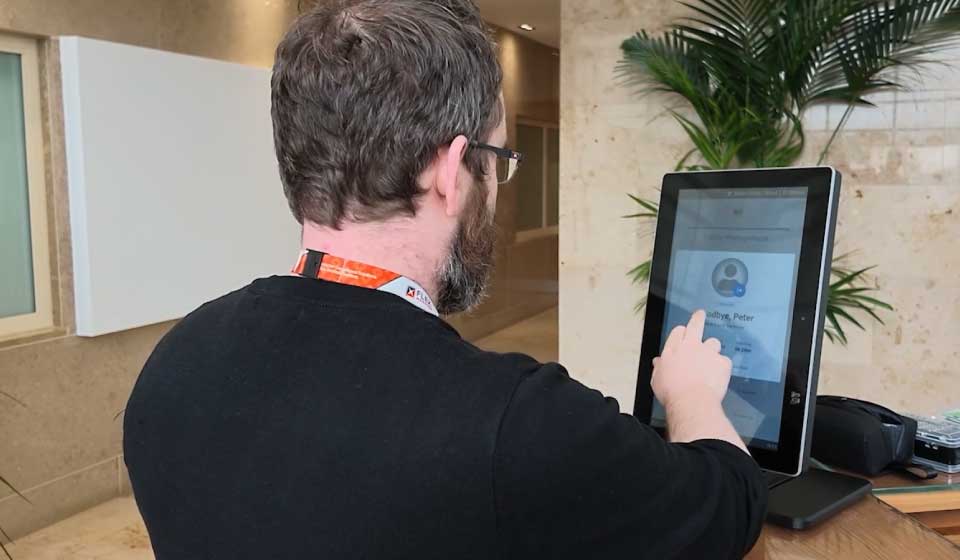
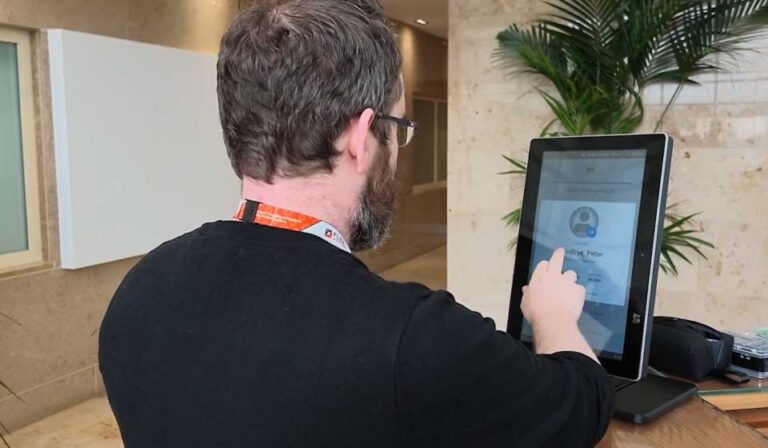
- The Toolbox Talks Module supports the structured delivery of safety briefings. Attendance and outcomes are recorded digitally, ensuring consistency and compliance across all levels of the workforce.
Both modules integrate seamlessly with other parts of the FlexManager platform, connecting your meetings to incident data, inspections, training records, and more.
Turning Conversation into Action
Meetings should be more than discussion points. When structured properly and supported by the right tools, they become a critical driver of operational performance, safety, and culture.
FlexManager can assist leaders in ensuring that every meeting leads to action, every decision is documented, and every outcome contributes to operational objectives.
This blog focused on a topic relevant to the Meetings module, which is part of the Quality Control solution. This is one of six core solutions that forms an all-in-one solution, providing organisations with a complete overview of their operations to ensure they achieve their compliance goals. To find out more about our Modules, you can visit our Connected Solutions page, or reach out to our team through our Contact section.
Authored by Gearoid Noone
Topics you may have missed
Building a Safer New Year: 12 Safety Tips for 2024
Welcome to the New Year, where safety takes centre stage in Canada’s bustling construction industry. As we embark on fresh projects and challenges, let’s dive into some eye-opening statistics that highlight the importance of keeping safety at the forefront. Did you know that over 40,000 construction workers are injured every year in Canada due to…
How Does FlexManager Use NFC Tags To Reduce Asset Depreciation?
When used with FlexManager, NFC tags eliminate the need for manual data entry and complex setup processes.
“It’s the best thing ever”: Our recent trip to our Client, NPL Canada
Last month, FlexManager paid a visit to our clients, NPL Canada, at their offices in Vaughan, Ontario. We had the pleasure of speaking with Penny (EHSQ specialist) and Deebiga (Manager of Safety Compliance and Claims) and asking them about their experiences with FlexManager, from onboarding to becoming champions within their teams.
Gamechangers: Digital Signatures for Compliance
In high-risk, regulated environments, proof matters. Whether it’s presence at a toolbox talk, permit to work, or a contractor induction, HSEQ and operations leaders are under constant pressure to prove it was done, by the right person, at the right time. That’s where digital signatures become a true gamechanger for leadership.
HSA to Launch National Inspection Campaign Starting January 19th
The Health and Safety Authority (HSA) will begin a two‑week farm safety inspection campaign today, Monday, 19th January 2026, focusing on the safe management of livestock in the lead‑up to the busy calving season. Inspectors will be visiting farms nationwide to highlight key risks and ensure farmers have appropriate controls in place when working with cattle and other livestock.
Safety training certifications could be harmonized across Canadian provinces by end of 2026
Canada could see safety certification standards harmonized across several provinces by the end of this year, according to Canada’s Building Trades Unions (CBTU) Executive Director Sean Strickland—a timeline that, if realized, would mark a significant shift for health and safety leaders who have watched the issue stall for decades.
NPL Canada
FlexManager sits down with Penny and Deebiga, two members of NPL Canada's Health and Safety Compliance team. From identifying the challenges faced prior to implementing FlexManager into their operations, to sharing how FlexManager has helped change the way NPL Canada works, Penny and Deebiga give their perspectives.
The Importance of Reflection: Learn from Success and Setbacks
Reflection is a critical tool for professionals, no matter the industry. Taking the time to review what went well, and what didn’t, helps teams build stronger systems, prevent repeat mistakes, and reinforce positive behaviours. Yet, too often, reflection is rushed or skipped entirely in the rush of daily operations. By making it a structured part of worker’s regimen, they can turn experiences into lasting lessons.
Director and company fined after failing to comply with enforcement notices
A construction company director and his firm have been fined after failing to comply with multiple enforcement notices and for failing to suitably plan, manage and monitor construction work.
NPL Canada
NPL Canada is a leading provider of natural gas distribution and energy infrastructure services. For more than 30 years, they’ve supported utilities across Canada with safe, reliable pipeline construction and maintenance. Known for their strong safety culture and technical expertise, NPL Canada delivers high-quality work that helps modernize and maintain the country’s essential energy systems.
Ontario’s AMPs put real teeth behind COR–ISO equivalency
Ontario’s new administrative monetary penalty (AMP) regime has arrived – and its first live penalty is aimed squarely at enforcing the province’s rules on treating COR, ISO 45001 and other accredited occupational health and safety management systems (OHSMS) as equivalent in public‑sector construction procurement.
Compliance Resolutions 2026: What to Focus on
A new year often brings fresh targets, shifting regulatory expectations, and rising pressure to do more with less. It can also offer a chance for organisations to refine your compliance strategy, strengthen safety performance, and address pain points. Let’s explore some of the resolutions to take to ensure 2026 has compliance at the core.
New Irish quarry safety regulations in place
The quarrying industry in Ireland has been preparing for a major regulatory shift as the Safety, Health and Welfare at Work (Quarries) Regulations 2025 have been formally signed into law. Taking effect on 1 January 2026, the new framework is designed to deliver stronger worker protections and simplify compliance processes for operators.
Sharp rise in Irish work-related Fatalities in 2025
The Health and Safety Authority (HSA) has published provisional figures showing that 58 people died in work-related incidents in Ireland during 2025, representing a 61% increase on the 36 who died in 2024.