

5 Critical EHS tools for construction personnel

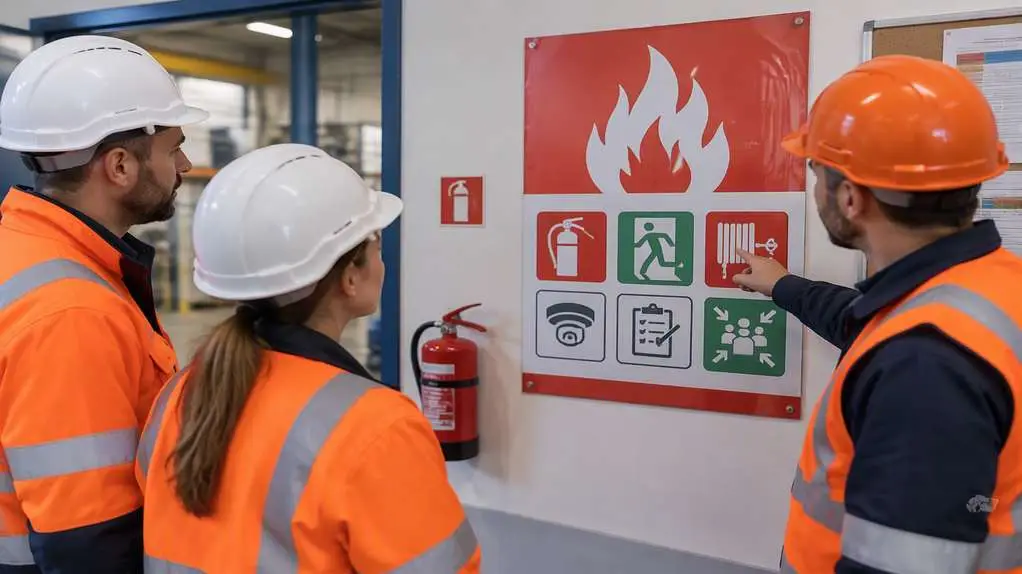
EHS helmets to represent safety compliance in the construction industry.

The construction industry consistently ranks among the highest-risk sectors for workplace health and safety. With multiple contractors, mobile workforces, high-risk activities and strict regulatory oversight, HSEQ and operations professionals are expected to maintain control in complex, fast-moving environments.

Despite this, many organisations still rely on fragmented systems or manual processes to manage contractor safety, training, inspections and risk. These gaps make it harder to identify emerging hazards, demonstrate compliance, and ensure consistent safety standards across sites.

Here are five essential EHS tools that construction personnel should utilise to ensure operational compliance across all sites.

1. Contractor Manager: Know Who Enters Your Site

Contractors introduce some of the highest safety and compliance risks on construction projects. Ensuring they are appropriately licensed, insured and competent before work begins is essential.

A strong contractor management tool should:

    • Verify licences, insurances and certifications
    • Enforce minimum compliance standards
    • Provide real-time visibility of contractor status

A Contractor Manager centralises contractor pre-qualification for ongoing compliance monitoring, helping organisations demonstrate due diligence and prevent non-compliant contractors from accessing site.

2. Orientations: Deliver Consistent Site Inductions

Every construction site has unique hazards, rules and emergency procedures. Paper-based or informal inductions make it difficult to ensure workers understand these risks before they even get to the site.

Digital orientation tools enable:

    • Standardised, site-specific inductions
    • Mobile-friendly access for contractors
    • Automatic records of completion and acknowledgements

FlexManager’s Orientations module links inductions directly to contractor profiles, ensuring only inducted workers are approved to commence work.

3. Job Risk Management: Be Prepared for High-Risk Activities

High-risk tasks such as working at heights, lifting operations or confined spaces require structured risk assessments and clear controls.

Effective job risk management tools help teams:

    • Identify hazards and assess risk before work begins
    • Implement and communicate controls
    • Maintain consistency across projects

With Job Risk Management, construction teams can create digital risk assessments and JSAs that are easy to complete on-site and easy to audit later.

4. Asset Inspections: Minimise Unplanned Downtime

Plant, tools and safety equipment play a critical role in construction safety. Missed inspections or undocumented maintenance are common contributors to incidents and regulatory findings.

Asset inspection tools allow organisations to:

    • Schedule and record inspections
    • Identify defects early
    • Maintain a complete inspection history

The Asset Inspections module ensures assets are inspected on time, issues are tracked, and compliance evidence is always available.

5. Training Manager: Maintaining Workforce Competency

Construction work relies heavily on competency-based training, licences and certifications, all of which can expire without warning.

A digital training management system helps by:

    • Tracking required training by role
    • Monitoring expiries and renewals
    • Linking competency to contractor approval

With Training Manager, HSEQ teams can ensure workers remain competent and compliant throughout the lifecycle of a project.

If you’re looking to strengthen contractor safety and compliance across your projects, Book a Free FlexManager Demo or explore how our Solutions work together to support safer, more efficient construction operations.

Authored by Gearoid Noone

LinkedIn
Email
Facebook

Topics you may have missed

DOC-DM-OB-4