

FlexManager’s Conference Circuit: Where to Find Us This Autumn
Following a busy and successful spring conference season, the FlexManager team is gearing up for an equally exciting autumn schedule.

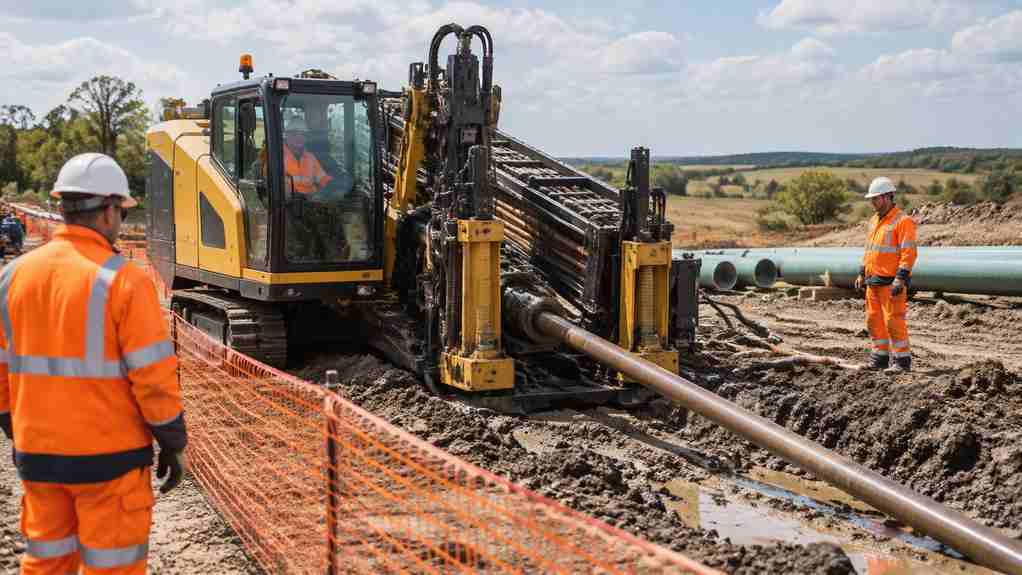
The construction industry consistently ranks among the highest-risk sectors for workplace health and safety. With multiple contractors, mobile workforces, high-risk activities and strict regulatory oversight, HSEQ and operations professionals are expected to maintain control in complex, fast-moving environments.
Despite this, many organisations still rely on fragmented systems or manual processes to manage contractor safety, training, inspections and risk. These gaps make it harder to identify emerging hazards, demonstrate compliance, and ensure consistent safety standards across sites.
Here are five essential EHS tools that construction personnel should utilise to ensure operational compliance across all sites.
Contractors introduce some of the highest safety and compliance risks on construction projects. Ensuring they are appropriately licensed, insured and competent before work begins is essential.
A strong contractor management tool should:
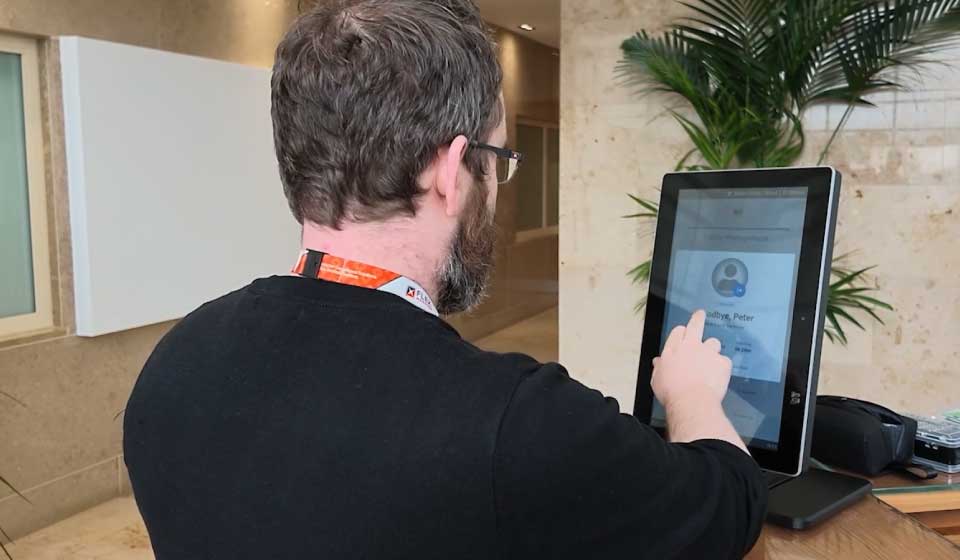
A Contractor Manager centralises contractor pre-qualification for ongoing compliance monitoring, helping organisations demonstrate due diligence and prevent non-compliant contractors from accessing site.
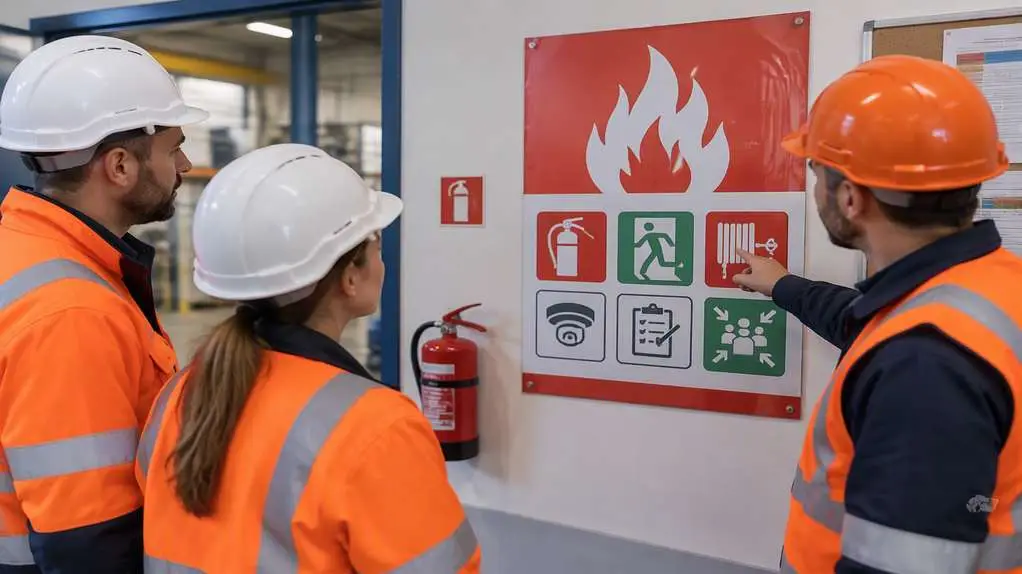
Every construction site has unique hazards, rules and emergency procedures. Paper-based or informal inductions make it difficult to ensure workers understand these risks before they even get to the site.
Digital orientation tools enable:
FlexManager’s Orientations module links inductions directly to contractor profiles, ensuring only inducted workers are approved to commence work.
High-risk tasks such as working at heights, lifting operations or confined spaces require structured risk assessments and clear controls.
Effective job risk management tools help teams:
With Job Risk Management, construction teams can create digital risk assessments and JSAs that are easy to complete on-site and easy to audit later.
Plant, tools and safety equipment play a critical role in construction safety. Missed inspections or undocumented maintenance are common contributors to incidents and regulatory findings.
Asset inspection tools allow organisations to:
The Asset Inspections module ensures assets are inspected on time, issues are tracked, and compliance evidence is always available.
Construction work relies heavily on competency-based training, licences and certifications, all of which can expire without warning.
A digital training management system helps by:
With Training Manager, HSEQ teams can ensure workers remain competent and compliant throughout the lifecycle of a project.
If you’re looking to strengthen contractor safety and compliance across your projects, Book a Free FlexManager Demo or explore how our Solutions work together to support safer, more efficient construction operations.
Following a busy and successful spring conference season, the FlexManager team is gearing up for an equally exciting autumn schedule.
Corporate Social Responsibility (CSR) can often be overlooked as an important part of a business. A new study, however, reveals details that indicate how mandatory CSR could benefit companies not only through safeguarding branding, but also by boosting financial performance.
The impending new Machinery Regulation (EU) 2023/1230 is set to come into effect in January 2027. Several aspects of the regulation are sure to be of utmost importance to companies who have plant and equipment assets in use as part of their operations.
A UK health & safety expert has warned that a new employment law update could impact companies taking a complacent approach to safety training.
FlexManager visited Doyle Shipping Group at Dublin Port to see its operations first-hand and explore the impact of smarter, connected compliance.
In England, a senior Health and Safety Executive (HSE) official has spoken about the potential difficulties of implementing a universal maximum workplace temperature.
The return to work after summer often feels like a reset. Teams are back, operations pick up, and attention shifts to hitting targets for the remainder of the year. However, this period can also introduce a less visible risk. Complacency.
Traffic management compliance failures led to a €1.2m fine for an Irish roadworks contractor. See how digital RAMS reduce public road risk.
Women in construction safety take the spotlight as an Irish health and safety officer is crowned Miss Galaxy International. See how FlexManager supports diverse safety teams.
A fatal Saskatoon incident puts mobile plant safety back in focus. See how digital risk assessments protect workers around moving equipment.
Work at height compliance gaps led to a £20,000 fine after a UK roof fall. See how digital RAMS and inspections prevent repeat failures.
Two UK port forklift fines expose the same workplace transport compliance gap. See how FlexManager keeps traffic and pedestrian plans live, not filed away.
DOC-DM-OB-4
Fill out the form below and one of our FlexPerts will contact you.