U.S. Study finds construction safety gaps in labour, training and PPE

Gap in safety present on US construction sites, shown by study.

A new benchmark study from the J. J. Keller Center for Market Insights and the American Society of Safety Professionals (ASSP) suggests many U.S. construction employers are struggling with staffing, training and day‑to‑day safety practices, even as they continue to regard safety as a core value.

The 2025 Construction Industry Safety Challenges report identifies labour shortages (38 per cent), rising material costs (35 per cent) and job site safety (32 per cent) as the top three challenges for respondents. It also highlights inconsistent personal protective equipment (PPE) use, limited attention to mental health, and a lack of confidence in current training as ongoing concerns.

“Improving safety in construction requires current data to help us better understand the obstacles that safety professionals face every day,” said Ray Chishti, senior EHS editor at J. J. Keller & Associates, Inc.

Chishti noted today’s construction workforce is increasingly specialised, which can intensify hiring challenges for contractors seeking experienced tradespeople for niche work.

Training, technology and the push for better data

Beyond staffing, the study points to uncertainty around regulatory compliance and the effectiveness of current training. Nearly half of respondents reported being only “somewhat confident” to “not confident at all” that their training prepares employees to work safely and in compliance with regulations.

Chishti said many contractors are looking to modernise how they deliver training, particularly for dispersed or remote crews.

“A lot of the contractors are looking for the latest mousetrap, so to speak, in terms of learning management platforms, really looking for digitized training, especially being in remote areas on job sites,” he said. “They’re looking for a lot of digitized training forums.”

According to Chishti, contractors are also seeking technology that can help them collect and interpret safety data more effectively, including both leading and lagging indicators. They are evaluating mobile apps, analytics dashboards and integrated systems that can support training, audits and inspections in a single platform.

“Contractors are kind of looking at AI as the next solution for technology advancement,” he said.

The study also indicates growing interest in real‑time incident reporting, data dashboards and tools such as drones and cameras for site monitoring and safety audits.

Wearable technologies are another area of focus, particularly devices designed to monitor heat and cold stress on job sites. Chishti said respondents are looking for “advancements in wearable technologies that can read signs and symptoms or give output, monitor employees better.”

PPE and mental health remain persistent issues

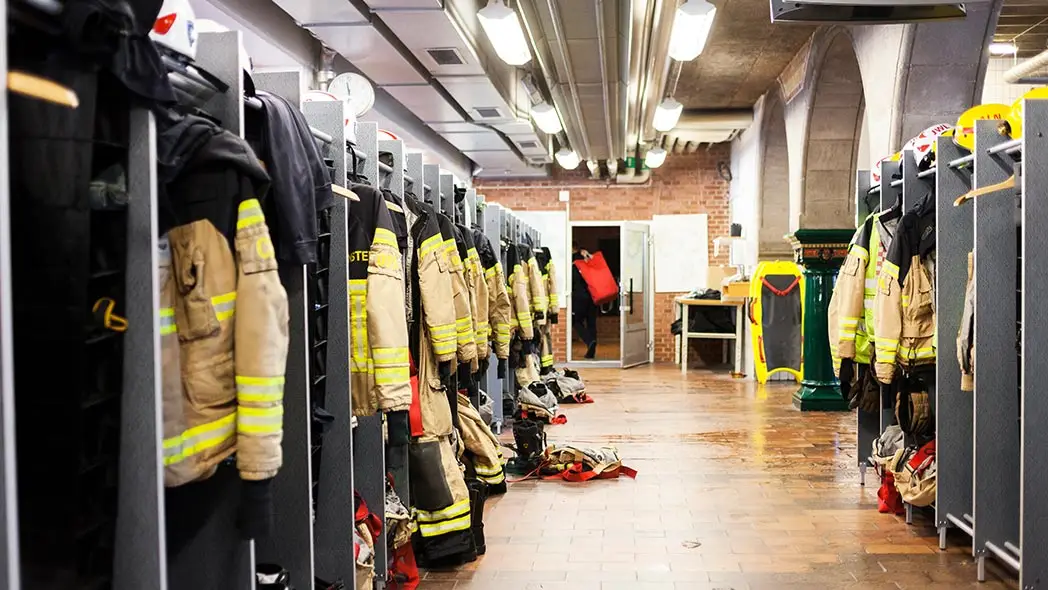
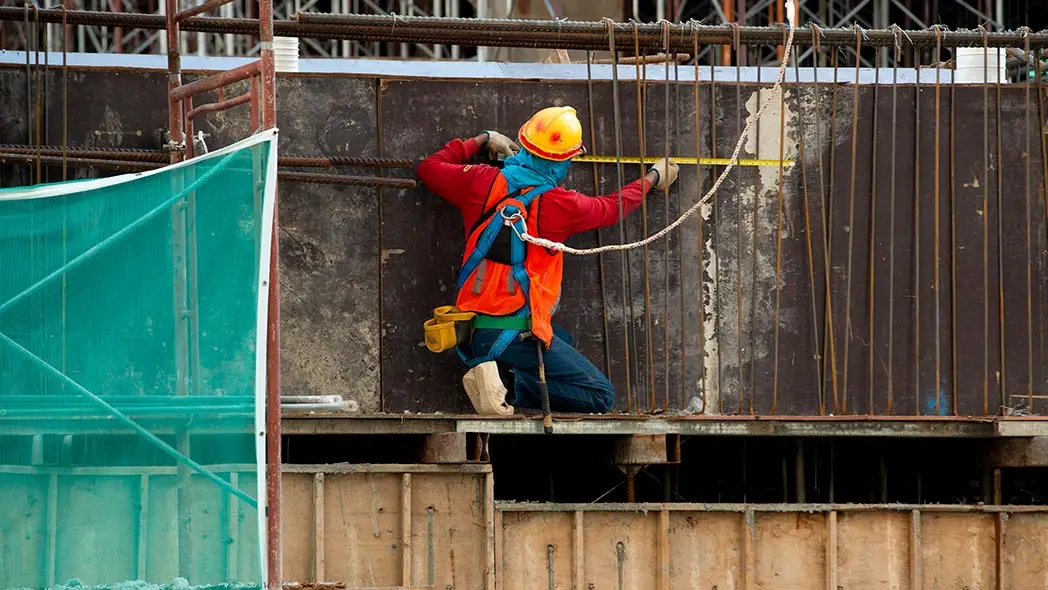
Despite long‑standing regulatory requirements, PPE practices remain a significant concern. More than half of respondents cited inconsistent PPE use as their greatest challenge, with comfort and fit emerging as primary barriers.

“We have found that respondents have said that a large percentage of their workers are not wearing PPE consistently,” Chishti said. “Typically, the greatest reason is just discomfort or poor fit.”

He said respondents are also concerned about ensuring PPE can cope with different weather conditions, particularly on outdoor sites that face heat, cold, wind and precipitation.

Inadequate training on how and when to use PPE continues to surface as an issue, along with delays in obtaining specialised equipment in some cases.

Mental health is another area where awareness appears to be ahead of practice. The study found that 51 per cent of respondents said their organizations take employee mental health only “somewhat seriously” or “not at all seriously.”

Chishti said mental health has shifted from being viewed strictly as a human resources matter to a more mainstream safety topic.

Safety as a long‑term value

Although the findings highlight numerous gaps and unmet needs, Chishti said the results also suggest that safety is deeply embedded in many construction organisations.

“If we take the study in totality, safety continues to be of value with our respondents,” he said.

“We were happy to see that safety is not a priority, it’s a value that’s instilled with a lot of the respondents and in the industry.”

From his perspective, the challenge is less about convincing employers that safety matters and more about giving them evolving tools, training and data to manage risk in a fast‑paced, increasingly specialised sector.

Original Article – The Safety Mag