According to the provincial government, the new legislation follows extensive consultation. In the last few weeks, the government has hosted “comprehensive consultations with more than 700 participants, including municipal elected officials and administrators, fire service leaders, firefighters, fire commissions and fire service co-ordinators.”
Fire departments were also “consulted extensively in the recent Fire Service Association of Nova Scotia governance review” and have had further opportunities to comment on implementation of those recommendations.
Late in January, Nova Scotia announced it is investing in mobile live-fire training equipment to address safety and competency gaps across its largely volunteer fire service and rebuild its provincial training system following the loss of its long-time fire school.
Fire commissioner, municipal duties
The Support for Fire Protection Services Act enables creation of an Office of the Fire Commissioner, described by the Province as the first step in providing provincial oversight, co-ordination and support to municipalities and fire service providers.
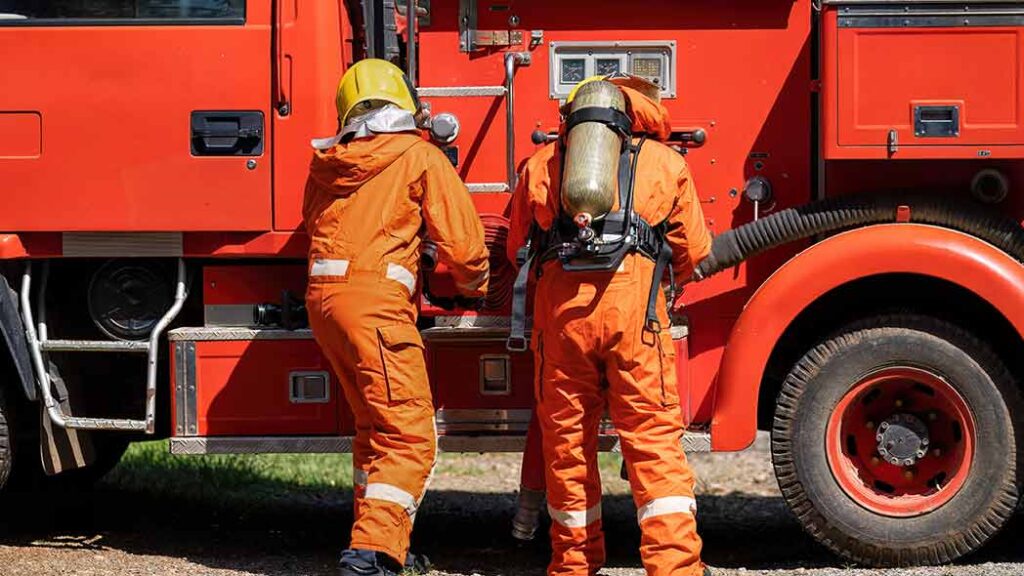
The office and the minister’s expanded mandate are intended to bring greater consistency to firefighter training and certification, PPE standards and reporting practices across a fire services system that currently operates under multiple governance models.
The legislation imposes new requirements on all municipalities, regardless of whether they directly oversee fire services.
All municipalities must conduct a fire protection service review “to ensure municipalities and fire departments make evidence-based decisions about the services they provide to their community.” They will also be required to ensure that “local firefighter competencies, training and personal protective equipment meet the service standard required by the fire protection service review.”
In addition, municipalities must participate in a common records management system. The Province said this measure is aimed at improving consistency in how fire protection and related safety information is documented and reported.
Standardisation, procurement and cost control
The government said the Act is part of its ongoing commitment to strengthening the fire services sector and will “help ensure consistent training standards across the province.” It is also intended to support procurement practices that achieve best pricing for vehicles, equipment and insurance, “helping fire departments reduce costs.”
There are currently 363 fire service organisations in Nova Scotia, with varying levels of service. More than half of all municipalities already provide fire protection services directly. Other governance models include commissions, incorporated volunteer organisations or combinations of these approaches.
The Nova Scotia Federation of Municipalities (NSFM) said the move aligns with recommendations in a recent fire services governance study.
“The Nova Scotia Federation of Municipalities has analyzed the Governance Model and Implementation Roadmap: Fire Services Governance Study from the Fire Service Association of Nova Scotia,” said David Mitchell, President of NSFM and Mayor of the Town of Bridgewater.
“Recommendations for provincewide standards, annual reports to council, and creative thinking about new resources to adequately support the next chapter of fire prevention services in Nova Scotia are positive steps. As shown in our recent update to members, there are significant aspects of fire prevention that municipalities are eager to learn more about. We look forward to taking part in continued consultation and working together with the Province of Nova Scotia to identify improvements that are sustainable and applicable to all municipalities.”
Meanwhile, the Fire Service Association of Nova Scotia (FSANS) said the legislation addresses long-standing calls to modernise fire and emergency services.
“For more than 50 years, the fire service has recognized the need to modernize fire and emergency services in Nova Scotia,” said Greg Jones, President of FSANS. “This announcement represents meaningful progress toward strengthening public safety and ensuring the fire service is equipped to meet the evolving needs of communities across the province.”
Twenty-two people in Nova Scotia died at work or because of their work in 2025, according to data from the Workers’ Compensation Board.