
FlexManager’s Release Notes – November, 2026
FlexManager's Release Notes from November, 2026
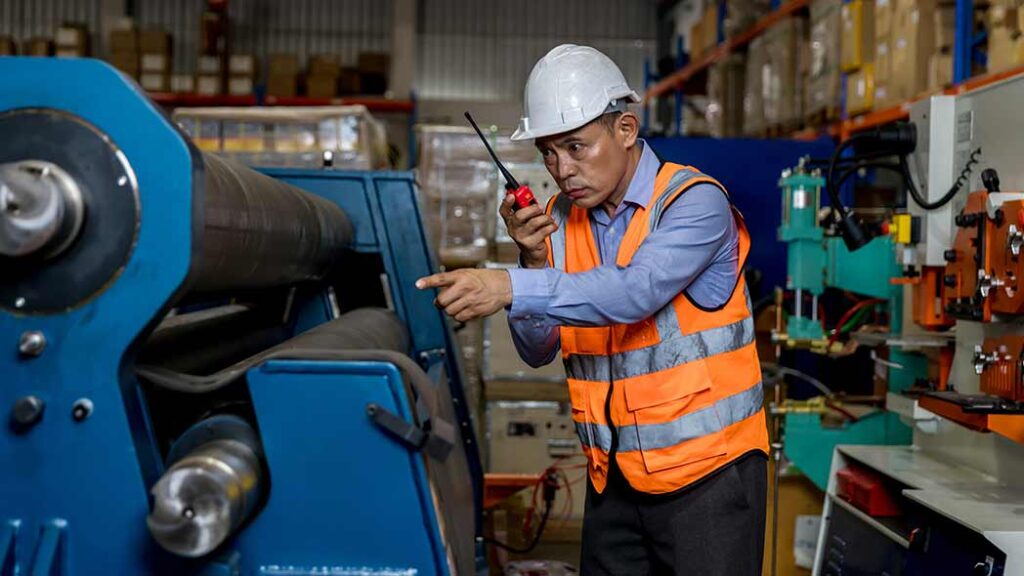
This series has explored what root-cause analysis (RCA) is and the common methods you can use to uncover underlying causes. Now it’s time to bring it all together and look at how to run an RCA effectively, so your findings lead to real improvements on site.
RCA works best when the people involved have a clear understanding of the process, equipment, or environment. Include:
A diverse team helps capture all perspectives and prevents blind spots.
Before jumping to conclusions, gather facts. Look for:
Evidence ensures your analysis is based on reality, not assumptions. A centralised solution can help link the different elements of the incident together to see where the gap could have occurred.
Decide which RCA tool suits the situation. For example:
The goal is improvement, not punishment. Avoid statements like “they should have done this.” Instead, ask:
A blame-free approach encourages honesty and better insights.
RCAs are only valuable if they lead to changes. To ensure this, it is recommended to:
RCA is a powerful tool, but its real value comes from combining understanding, the right methods, and practical follow-through. By assembling the right team, gathering evidence, applying suitable techniques, and focusing on action rather than blame, your RCA becomes a tool for continuous improvement, safety, and operational excellence.
This completes the Root-Cause Analysis Series. Now, your teams have the knowledge to look beyond surface issues, choose the right methods, and turn insights into real-world improvements.
FlexManager's Release Notes from November, 2026

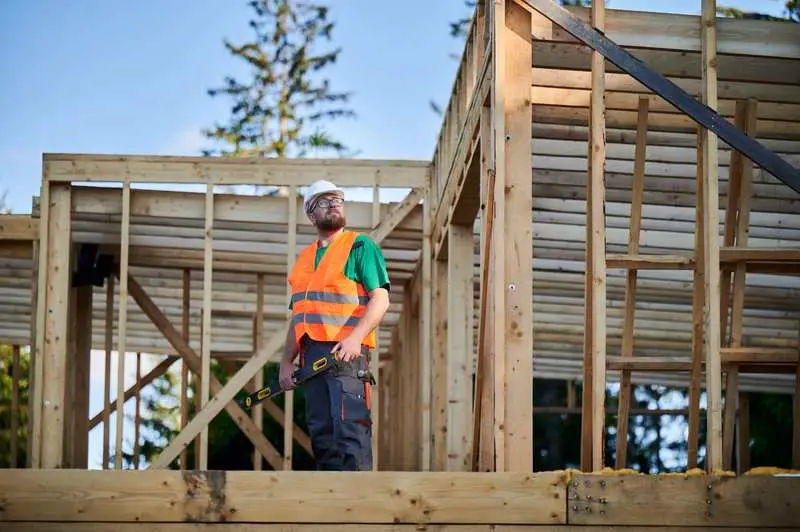
Faster housing delivery shouldn’t mean skipped checks. Here’s what we took from Lean Construction Ireland 2026, and how FlexManager helps construction firms keep inspections, maintenance, and subcontractor compliance on course.

A Cheltenham waste operator has been ordered to pay more than £47,000 after deliberately emptying red diesel onto the ground during an HMRC inspection.

Washington’s Department of Labor & Industries (L&I) has cited Nippon Dynawave after a worker at its Longview paper mill fell into a sinkhole filled with hot pulp. The incident predates a separate tank failure that killed 11 workers there in May.
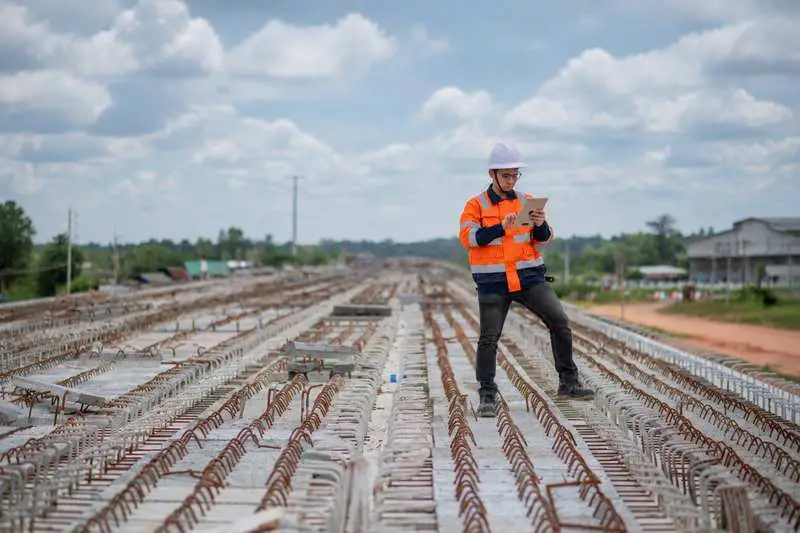
Ahead of Lean Construction Ireland 2026 at Johnstown Estate on 4 November, we look at where Lean meets safety and compliance: from paperwork waste and safer sites to offsite quality and supply-chain sustainability.

FlexManager is exhibiting at the Lean Construction Ireland 2026 Annual Conference at Johnstown Estate on 4 November. We look at three topics we expect to hear about: innovation, AI and digital transformation, and reconfiguring construction.

With 660 exhibitors at Expoprotection 2026, comparing HSEQ software can be overwhelming. Here are five questions to ask every vendor, and where to find them on the show floor.

Expoprotection 2026 is launching the Hub des Préventeurs, a new event created by and for prevention professionals. We look at the five themes on its agenda and what they mean for HSEQ teams.

Expoprotection returns to Paris from 3–5 November, with 660 exhibitors covering risk prevention and management. We look at three trends we expect to hear about: the interconnectivity of HSEQ, AI in prevention, and new solutions for real-world safety.

Compliance horrors don’t jump out of the dark. They creep up through expired tickets, missed inspections and scattered paperwork. Here are five ways to keep them away this Halloween and all year round.

Every construction site has its ghosts: the compliance gaps nobody sees until an inspector, an auditor or an incident brings them out. Here are five that keep HSEQ managers up at night, and how to get rid of them.
DOC-DM-OB-4
Fill out the form below and one of our FlexPerts will contact you.