
Top 3 Compliance Solutions for Fire Services in 2026
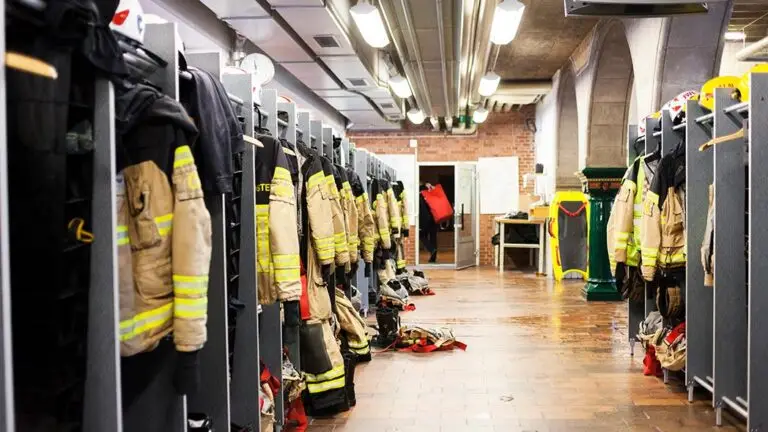
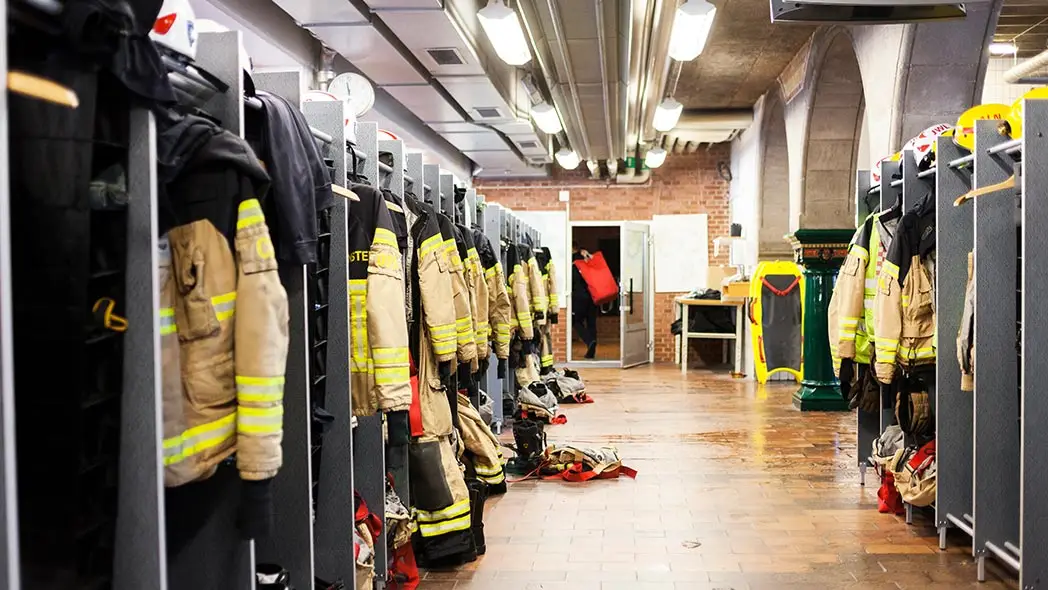
Fire services operate in high-risk and heavily regulated environments. Ensuring compliance across equipment, contractors, and operational processes is essential for safety and regulatory adherence.

What’s your Pain Point? – The Compliance Focused Operations Manager
A compliance-focused operations manager doesn’t just keep operations running. Their responsibilities extend to ensuring that processes, policies, and teams across multiple sites meet internal and regulatory standards. Their day-to-day goal is smooth operations, zero compliance gaps, and audit-ready evidence.

HSA Issues Updated Guidance on Managing Stockpiles in the Quarry Industry
The Health and Safety Authority (HSA) has published updated guidance highlighting the risks associated with stockpiles in the quarrying sector, with a strong emphasis on hazard identification and risk assessment.
Worker died after ladder did not meet safety standards: CNESST
A ladder that did not meet fall protection standards was one of the main causes leading to the death of a worker in Sainte-Élisabeth, in the Lanaudière region, according to Quebec’s work health safety board.

5 Compliance Headaches Every Safety Professional Knows Too Well
Compliance can feel like a moving target. New regulations, multiple sites, contractor management, and endless documentation make the day-to-day a constant balancing act. Most safety professionals have faced the same recurring challenges. Here are 5 common headaches that probably sound familiar, and some tips on how to tackle them effectively.

10 Years as a Community Pillar: OMCSU
This month, the Oranmore Maree Coastal Search Unit (OMCSU) marks 10 years of dedicated service to communities around the West coast of Ireland.

FlexManager’s 2026 Conference Circuit: Where to Find Us This Spring
FlexManager is looking forward to another busy and engaging conference season. The first half of the year brings a strong lineup of industry-leading events across construction, manufacturing, infrastructure, and health & safety. These conferences allow the FlexManager team to connect with industry professionals, share insights, and continue supporting organisations in building safer, more efficient, and compliant workplaces.

Enforcement Notices Published by HSE Highlight Work from Height Risks
Two enforcement notices published by the Health and Safety Executive on 17 March 2026 have reinforced ongoing concerns around uncontrolled work at height in routine operations, following separate incidents in the waste management and food manufacturing sectors.

What’s your Pain Point? – The Safety Conscious H&S Manager
A safety‑conscious health and safety manager doesn’t just think about risk. From the moment they step on-site to the end of the day, these professionals are scanning for hazards, coaching teams, and chasing complete compliance. Their primary care is centred on a single goal: Getting teams home safe.

Happy St Patricks Day 2026 from FlexManager
We at FlexManager would like to wish our clients a Happy St Patrick's Day.

Grassroots safety movement spreads from Calgary across Western Canada
A grassroots movement to reconnect safety professionals face‑to‑face is gaining momentum across Western Canada. Calgary Safety Connect, a not‑for‑profit society registered under the Alberta Societies Act, was launched in September 2025 as a low‑bureaucracy way for practitioners to meet, learn and share ideas in person. Within months, similar initiatives were taking shape in Edmonton and being explored in the Greater Vancouver region.

How IoT Devices Transform On-Site Safety and Compliance
Worksites are getting smarter, and one of the biggest drivers of that change is the Internet of Things (IoT). This comprises of small, connected devices that monitor conditions, trigger alerts, and send information where it needs to go. IoT can be in action anywhere in the operation, whether it’s a sensor on machinery, a wearable badge, or a device that automatically logs environmental readings.