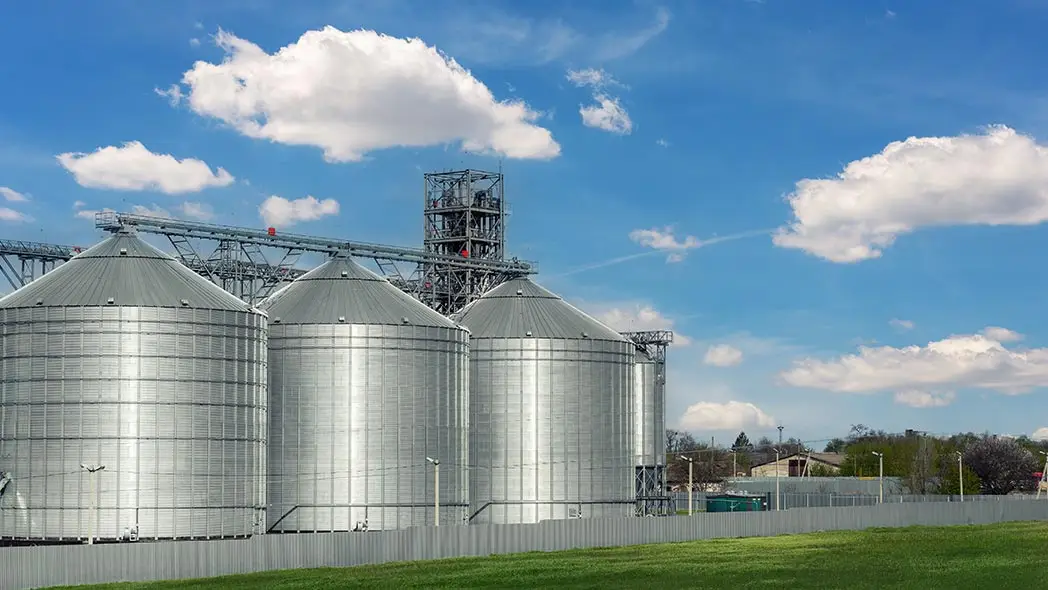
Stop‑work orders issued following propane facility blast
Manitoba’s Workplace Safety and Health (WSH) branch has halted certain operations following an explosion that injured three employees late last month, according to a report.
The Ontario government has announced plans to introduce legislation that would create the Ontario Provincial Conservation Agency (OPCA), a centralized body intended to modernize and streamline the province’s conservation authority system. The move could have significant implications for environmental health and safety leaders across the province, particularly those involved in flood risk management, permitting, and emergency preparedness.
The Ministry of the Environment, Conservation and Parks says the new agency is being established to address inconsistencies in the current framework of 36 individual conservation authorities. According to the province, the current system has led to “unpredictable and inconsistent turnaround times for approvals” that have impacted infrastructure development and flood protection efforts.
“Conservation authorities play a vital role in protecting our communities and managing our watersheds, but the system has become too fragmented, inconsistent and outdated,” said Environment Minister Todd McCarthy.
“The new, dedicated agency would work with conservation leaders to ensure faster, more transparent permitting and more front-line services so we can reduce delays… and keep our communities safe from floods and other natural hazards.”
The OPCA will be tasked with several modernization projects, including developing a single digital permitting platform, setting province-wide performance standards, and improving access to floodplain mapping and technical data. The agency will also oversee a proposed watershed-based consolidation of conservation authorities aimed at reducing duplication of services.
The province states that the consolidation effort could reduce jurisdictional overlap—currently affecting over half of Ontario municipalities served by conservation authorities—by 63 per cent. This change may enable more efficient coordination in hazard response and environmental risk mitigation.
“Individual conservation authorities have significant disparities in size and resources,” the release states, noting that some authorities lack access to the tools and technology required to support “flood risk management and evidence-based decision making.”
Hassaan Basit, Chief Conservation Executive, said the OPCA will help build internal capacity across the system:
“With better tools and more resources for front-line staff, local conservation authorities will have a greater ability to use technical data, research and analysis to make decisions, operate with greater consistency and transparency, and deliver faster services to municipalities, residents and permit applicants.”
Safety professionals in sectors such as construction, utilities, and emergency management may find the reforms relevant to permitting timelines, site planning, and environmental hazard assessments. The government has indicated it will begin consultations with municipalities, Indigenous communities, and other stakeholders in the coming weeks as part of the proposed legislative process.
The agency’s mandate will continue to include programs focused on flood protection, watershed management, and drinking water source protection. Environmental health and safety leaders are encouraged to monitor the development closely, particularly in regions subject to overlapping conservation authority jurisdictions.

Original Article – The Safety Mag
Manitoba’s Workplace Safety and Health (WSH) branch has halted certain operations following an explosion that injured three employees late last month, according to a report.
Paper-based documentation and processes limited visibility and the tracking of quality audits, non-conformances, and equipment status across different buildings. Preventative maintenance was difficult to prioritise, track, and report on. As the organisation continued to grow, maintaining consistent health and safety practices and quality standards became increasingly challenging.
Compliance audits, incident investigations, and safety management all hinge on accurate, real-time location data. Yet, many organizations still rely on manual tracking, spreadsheets, or outdated systems, which can lead to gaps in compliance, delayed responses to incidents, and unnecessary operational risk. Geolocation technology is emerging as a gamechanger, offering the ability to monitor, verify, and manage workforce and assets with precision and accountability.
Job Hazard Analysis, Pre-task Planning, Safe Work Plan. Different organisations undertake the same process, but have different naming regimens. No matter what you call it, we have it covered through our Job Risk Management (JRM) module.
Thousands more young people will be given the opportunity to train as bricklayers, plumbers and engineers as the government creates 13,000 apprenticeship and T Level placement opportunities as part of its plan to transform school buildings.
Previously, we explored why Speak Up Safety matters. Understanding the risks of silence, the benefits of early reporting, and the role of culture sets the stage. Now, the focus shifts to how to put this into practice. Culture doesn’t change through slogans or posters. It changes when employees feel safe, supported, and confident that reporting hazards leads to action.
Safety observations are proactive reports of hazards, near-misses, or unsafe behaviours. When captured effectively, they can prevent incidents before they occur. Encouraging employees to consistently share observations, especially if they are anonymous, is often a challenge.
The UK's Department for Environment, Food & Rural Affairs published their Policy Paper entitled: "PFAS Plan: Building a safer Future together" on February 3rd.
Last week, the Canadian Construction Safety Council (CCSC) released its Critical Risks Guideline, a framework designed to prevent serious injuries and fatalities (SIFs) in the sector.
In high-risk industries, most serious incidents are preceded by warning signs such as near misses, unsafe behaviours, or hazards that someone noticed but did not report. Employees often stay silent because they are unsure how to raise concerns, fear blame, or believe nothing will change.
Last week, we were delighted to present prizes to the winners of the Shannon Region Open Water Swim League (SROWSL), an event we’re proud to sponsor. Congratulations to the overall 2025 winner, Cormac Lyons of Limerick Masters, along with all the swimmers who took part across the league.
Q1 is often a time when HSEQ or EHS professionals evaluate the different systems that they have in place for the running of their day-to-day operations. With a fresh perspective on what objectives are being prioritised for the year ahead, utilising an occupational health and safety (OHS) solution can make the difference. Here are 3 such solutions that you can put into focus to ensure your health and safety objectives are not only met, but surpassed.
Fill out the form below and one of our FlexPerts will contact you.