Stop‑work orders issued following propane facility blast
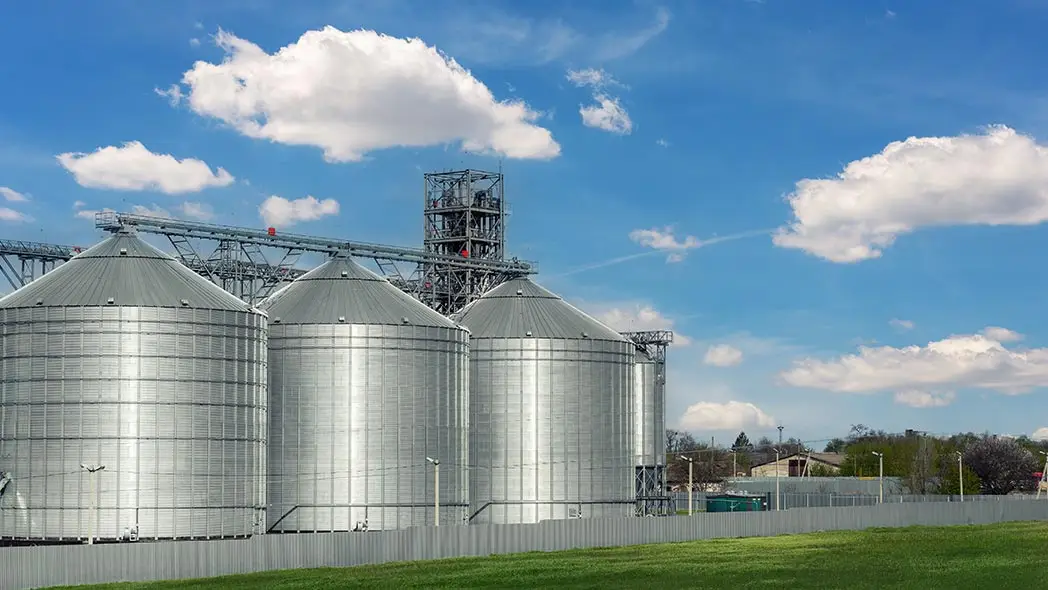
Manitoba’s Workplace Safety and Health (WSH) branch has halted certain operations following an explosion that injured three employees late last month, according to a report.
Canada could see safety certification standards harmonized across several provinces by the end of this year, according to Canada’s Building Trades Unions (CBTU) Executive Director Sean Strickland—a timeline that, if realized, would mark a significant shift for health and safety leaders who have watched the issue stall for decades.
Strickland told Canadian Occupational Safety he believes there is a “good likelihood” that safety training harmonization will be in place across a few provinces by year‑end, with more jurisdictions potentially joining once the benefits become clearer to workers and project owners. He characterized that view as both “realistic and optimistic” considering the political momentum now behind the file.
For health and safety leaders, the prospect of concrete progress within 12 months will be notable. Many have seen previous harmonization discussions falter amid constitutional realities and entrenched provincial regimes. Labour and occupational health and safety laws are largely provincially regulated and have developed independently over many years, a situation legal experts have described as a “heavy legislative lift” to change.
Strickland acknowledges that challenge and stresses the process is still at an early stage. “We’re not anywhere near the finish line yet,” he said, adding that the current phase should be understood as the beginning of a longer journey rather than a near‑term overhaul. At the same time, he argues that the level of governmental support is unlike anything he has seen in more than 40 years in construction.
That political backing is being translated into concrete work through the Canadian Association of Administrators of Labour Legislation (CAALL), which held a national meeting on safety harmonization in the fall and has another planned for the spring. Strickland says recent discussions have generated “serious momentum,” with indications of buy‑in from several jurisdictions that could move first.
Organized labour has now formally aligned itself with that effort. CBTU’s Canadian Executive Board recently passed a unanimous resolution endorsing Ontario Labour Minister David Piccini’s leadership role in the harmonization project. The resolution supports an Ontario‑ and Nova Scotia‑led national push to streamline safety certifications across jurisdictions.
Piccini, who was designated by premiers and labour ministers to lead the initiative nationally, has been promoting the project publicly. On Wednesday he met with industry leaders at the Canadian Construction Safety Council Secretariat in Montréal, later posting on social media that he was “honoured to speak” to the group and thanking CCSC Chair Philippe Adam for his leadership. He framed the initiative as “raising the bar and lowering the barriers,” describing it as a “new vision for health and safety harmonization and improved labour mobility” that will help skilled workers move more easily between provinces, strengthen protections on job sites and support “nation‑building projects that connect communities across Canada.”
In a statement to Canadian Occupational Safety, Piccini’s office said: “Ontario is advancing work to harmonize core health and safety training and bring a pan‑Canadian policy proposal forward to labour ministers across the country. The goal is the harmonization of health and safety certifications, cutting duplication so qualified workers can get to job sites sooner and employers can fill urgent roles faster.”
Behind that rhetoric, CBTU and its partners have identified a first tranche of specific training and certification areas where harmonized standards are being prioritized:

Strickland says the list is designed to capture both high‑risk tasks and roles that are central to interprovincial mobility. For new workers, he points to Alberta’s mandated entry‑level construction training as a likely model, describing it as “best in class” when compared with other provinces. In many jurisdictions, he notes, entry‑level workers receive only basic instruction before being dispatched to a job site within a day or two; a harmonized, Alberta‑style program would provide a broader introduction to the industry and typical hazards in different sectors.
Supervisor training is another early focus. Strickland describes current supervisory training as “very inconsistent across jurisdictions” and across project owners and contractors. The goal of harmonization in this area is to establish a recognized baseline of supervisory qualifications before individuals take on site‑level responsibilities, including a stronger emphasis on preventing lost‑time injuries and reportable incidents and ensuring crews have the tools and conditions required for safe work.
Strickland also stresses the harmonization initiative is not intended to disrupt the existing network of training providers. “This isn’t about changing the safety ecosystem in terms of the delivery agents for safety programs across the country,” he said. “This is about changing the curriculum so we have a better standard across the country,” with the aim of improving safety outcomes for both unionized and non‑union workers.
For health and safety leaders, the immediate practical guidance from CBTU is to monitor developments closely, particularly in the seven identified priority areas. As curricula are developed and refined over the coming months, organizations involved in training, certification, and site‑level safety management can expect to see clearer national expectations emerge—first in a subset of provinces, if Strickland’s timeline proves accurate, and eventually, he hopes, across the country.
Original Article – The Safety Mag
Manitoba’s Workplace Safety and Health (WSH) branch has halted certain operations following an explosion that injured three employees late last month, according to a report.
Paper-based documentation and processes limited visibility and the tracking of quality audits, non-conformances, and equipment status across different buildings. Preventative maintenance was difficult to prioritise, track, and report on. As the organisation continued to grow, maintaining consistent health and safety practices and quality standards became increasingly challenging.
Compliance audits, incident investigations, and safety management all hinge on accurate, real-time location data. Yet, many organizations still rely on manual tracking, spreadsheets, or outdated systems, which can lead to gaps in compliance, delayed responses to incidents, and unnecessary operational risk. Geolocation technology is emerging as a gamechanger, offering the ability to monitor, verify, and manage workforce and assets with precision and accountability.
Job Hazard Analysis, Pre-task Planning, Safe Work Plan. Different organisations undertake the same process, but have different naming regimens. No matter what you call it, we have it covered through our Job Risk Management (JRM) module.
Thousands more young people will be given the opportunity to train as bricklayers, plumbers and engineers as the government creates 13,000 apprenticeship and T Level placement opportunities as part of its plan to transform school buildings.
Previously, we explored why Speak Up Safety matters. Understanding the risks of silence, the benefits of early reporting, and the role of culture sets the stage. Now, the focus shifts to how to put this into practice. Culture doesn’t change through slogans or posters. It changes when employees feel safe, supported, and confident that reporting hazards leads to action.
Safety observations are proactive reports of hazards, near-misses, or unsafe behaviours. When captured effectively, they can prevent incidents before they occur. Encouraging employees to consistently share observations, especially if they are anonymous, is often a challenge.
The UK's Department for Environment, Food & Rural Affairs published their Policy Paper entitled: "PFAS Plan: Building a safer Future together" on February 3rd.
Last week, the Canadian Construction Safety Council (CCSC) released its Critical Risks Guideline, a framework designed to prevent serious injuries and fatalities (SIFs) in the sector.
In high-risk industries, most serious incidents are preceded by warning signs such as near misses, unsafe behaviours, or hazards that someone noticed but did not report. Employees often stay silent because they are unsure how to raise concerns, fear blame, or believe nothing will change.
Last week, we were delighted to present prizes to the winners of the Shannon Region Open Water Swim League (SROWSL), an event we’re proud to sponsor. Congratulations to the overall 2025 winner, Cormac Lyons of Limerick Masters, along with all the swimmers who took part across the league.
Q1 is often a time when HSEQ or EHS professionals evaluate the different systems that they have in place for the running of their day-to-day operations. With a fresh perspective on what objectives are being prioritised for the year ahead, utilising an occupational health and safety (OHS) solution can make the difference. Here are 3 such solutions that you can put into focus to ensure your health and safety objectives are not only met, but surpassed.
Fill out the form below and one of our FlexPerts will contact you.