
Stop‑work orders issued following propane facility blast
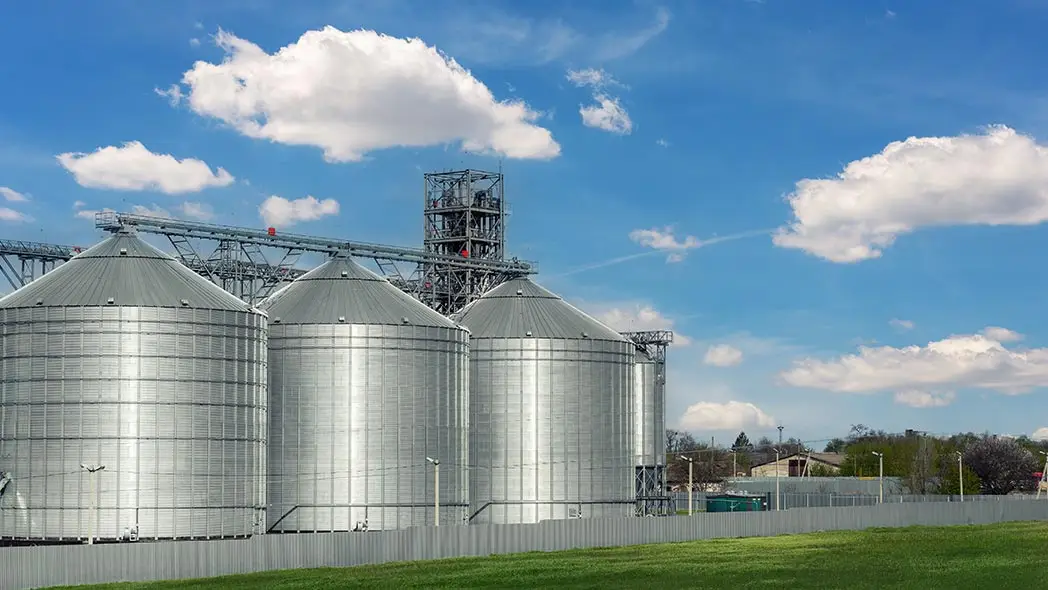
Manitoba’s Workplace Safety and Health (WSH) branch has halted certain operations following an explosion that injured three employees late last month, according to a report.

Overhauling existing software and adopting a new one in its place can be a daunting task. One of the biggest concerns is finding the time and resource to get started. The FlexManager ethos encompasses digital transformation without being overwhelmed. That is why we advocate for our clients to start with just two or three modules, focusing on their most pressing compliance needs. From there, they can scale their system as they see fit.
Business needs are unique, and so are it’s challenges. Choosing to scale your business operations by choosing modules that are the most pivotal to your operations will help you to resolve your immediate painpoints early into the process. Whether it is Health & Safety, Asset Management, or Workforce oversight, you can get your teams familiar with the system first, and scale your system how you see fit in a “block-by-block” manner.
Once the starting modules are mastered, the beauty of FlexManager is on show, based on how easy it is to add modules as businesses require. Your needs can evolve, and your system evolves with you. Whether it is Eco-Compliance, Document Control, or Insights & Analytics, scale the system to how your demands change.
Organisations can benefit from the ability to add modules when needed, and not before. As FlexManager is a connected solution, each module speaks to each other, avoiding silos and duplication of efforts. Organisations pay for what is needed, safe in the knowledge that they are future-proofing as your system grows and adapts to your compliance goals.
Adopting new technologies doesn’t have to mean going all-in from day one. With FlexManager, you can start with a couple of modules, see real impact, and then scale at your own pace. It is not always about doing things at once, but rather identifying and doing the main priorities, right now!
To find out how you can start and scale with FlexManager, you can reach out for a free demo through our Contact section.
Manitoba’s Workplace Safety and Health (WSH) branch has halted certain operations following an explosion that injured three employees late last month, according to a report.
Paper-based documentation and processes limited visibility and the tracking of quality audits, non-conformances, and equipment status across different buildings. Preventative maintenance was difficult to prioritise, track, and report on. As the organisation continued to grow, maintaining consistent health and safety practices and quality standards became increasingly challenging.
Compliance audits, incident investigations, and safety management all hinge on accurate, real-time location data. Yet, many organizations still rely on manual tracking, spreadsheets, or outdated systems, which can lead to gaps in compliance, delayed responses to incidents, and unnecessary operational risk. Geolocation technology is emerging as a gamechanger, offering the ability to monitor, verify, and manage workforce and assets with precision and accountability.
Job Hazard Analysis, Pre-task Planning, Safe Work Plan. Different organisations undertake the same process, but have different naming regimens. No matter what you call it, we have it covered through our Job Risk Management (JRM) module.
Thousands more young people will be given the opportunity to train as bricklayers, plumbers and engineers as the government creates 13,000 apprenticeship and T Level placement opportunities as part of its plan to transform school buildings.
Previously, we explored why Speak Up Safety matters. Understanding the risks of silence, the benefits of early reporting, and the role of culture sets the stage. Now, the focus shifts to how to put this into practice. Culture doesn’t change through slogans or posters. It changes when employees feel safe, supported, and confident that reporting hazards leads to action.
Safety observations are proactive reports of hazards, near-misses, or unsafe behaviours. When captured effectively, they can prevent incidents before they occur. Encouraging employees to consistently share observations, especially if they are anonymous, is often a challenge.
The UK's Department for Environment, Food & Rural Affairs published their Policy Paper entitled: "PFAS Plan: Building a safer Future together" on February 3rd.
Last week, the Canadian Construction Safety Council (CCSC) released its Critical Risks Guideline, a framework designed to prevent serious injuries and fatalities (SIFs) in the sector.
In high-risk industries, most serious incidents are preceded by warning signs such as near misses, unsafe behaviours, or hazards that someone noticed but did not report. Employees often stay silent because they are unsure how to raise concerns, fear blame, or believe nothing will change.
Last week, we were delighted to present prizes to the winners of the Shannon Region Open Water Swim League (SROWSL), an event we’re proud to sponsor. Congratulations to the overall 2025 winner, Cormac Lyons of Limerick Masters, along with all the swimmers who took part across the league.
Q1 is often a time when HSEQ or EHS professionals evaluate the different systems that they have in place for the running of their day-to-day operations. With a fresh perspective on what objectives are being prioritised for the year ahead, utilising an occupational health and safety (OHS) solution can make the difference. Here are 3 such solutions that you can put into focus to ensure your health and safety objectives are not only met, but surpassed.
Fill out the form below and one of our FlexPerts will contact you.