

Rethinking the H&S Audit Checklist

Checklist for health and safety audits are a key facet to running an operation.

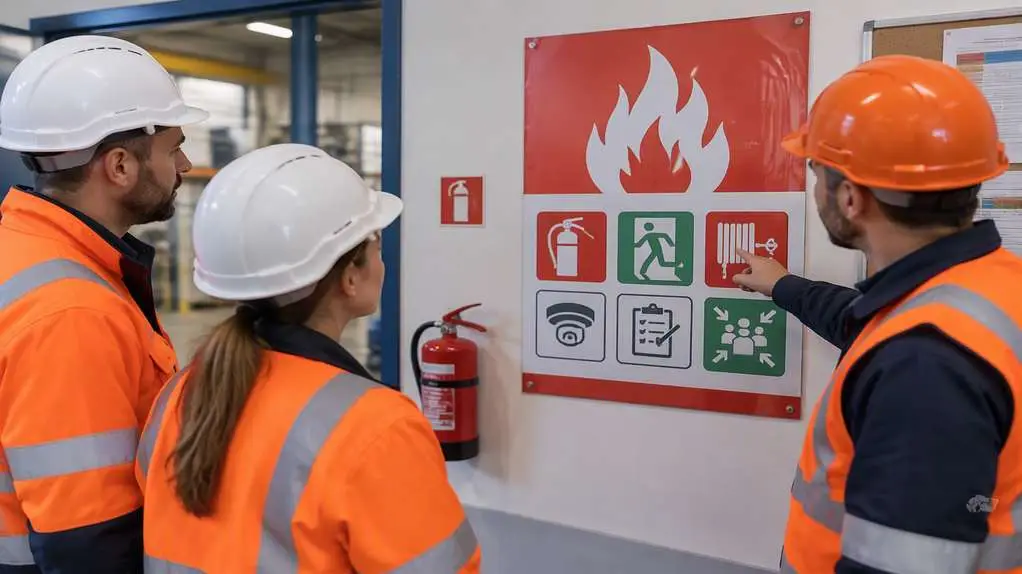
Health & safety audits have never been more importan, but the way many organisations build and use their audit checklists hasn’t kept pace with the reality of modern operations. Too often, checklists are inherited, generic, overloaded, or disconnected from the risks teams actually face day to day.

Let's break down what makes a good H&S audit

A good checklist doesn’t create safety. The right one absolutely supports smarter decisions, surfaces hidden issues earlier, and gives leaders an insight into what’s really happening across sites. Let’s investigate what a good H&S audit checklist may look like.

    1. Clear, simple categories that reflect real work: Not generic topics, but relevant operational areas—asset safety, environment, people, processes, emergency readiness. A checklist that feels like it was designed by someone who understands the specific site. 
    1. Plain-language questions: If an auditor needs to read something twice, it probably needs rewriting. Short, direct questions produce better data.
    1. Indicators of what “good” actually looks like: A line item like “Housekeeping” means nothing unless the auditor knows what they’re assessing. E.g. Mention what bad housekeeping could look like so they can identify it easier.
    1. Space for nuance: Audits aren’t yes/no exercises. Teams need room to add context, photos, and quick notes—especially for borderline issues or early warning signs.
    1. Built-in accountability: Each finding should naturally connect to an action, responsible person, and timeline.

How FlexManager Helps Organisations Move Beyond Paper

Using FlexManager’s Audit & Inspections module, safety and operations leaders can:

    • Build dynamic, site-specific templates instead of static documents
    • Add photos, comments, and corrective actions while auditing
    • Assign actions instantly with deadlines and escalation paths
    • Spot repeated issues through trend analysis and audit scoring
    • Standardise how audits are done across teams and contractors
    • Close the loop so completed actions don’t get lost in email chains

Framework for Building (or Updating) Your Checklist

If you’re reviewing your audit checklist, start with these steps:

    1. Reduce clutter: Remove items that don’t relate to actual risks.
    2. Group logically: Organise items into intuitive sections.
    3. Simplify wording: Use clear, action-focused language.
    4. Make it observable: Only include items auditors can reliably assess.
    5. Digitise it: Paper limits follow-up and insights.
    6. Review quarterly: Risks evolve; checklists should too.

This simple process can dramatically improve the quality of your audits.

When done well, a health & safety audit checklist becomes more than a form it becomes a tool that guides attention, strengthens consistency, and supports a culture of continuous improvement and safety.

Paired with a digital platform like FlexManager, it becomes a living part of your safety system: easy to update, simple to use, and powerful when it comes to driving action.

Authored by Gearoid Noone

LinkedIn
Email
Facebook

Topics you may have missed

DOC-DM-OB-4