

Machine Guarding Compliance: What a £1 Million Fine Teaches Manufacturers
A £1 million fine highlights machine guarding compliance gaps in manufacturing. See how FlexManager helps prove asset inspection and maintenance history.

As fire and emergency services prepare for INTERSCHUTZ 2026, one key operational priority continues to stand out: the need for stronger visibility, control, and accountability across critical assets. This year’s theme, “Safeguarding tomorrow”, strongly reflects the direction of modern emergency services. Protecting communities tomorrow starts with having the right systems, equipment, and processes in place today.
For fire services, asset management is more than knowing where equipment is stored. It is about ensuring that vehicles, tools, PPE, specialist equipment, and station assets are available, inspected, maintained, and ready when they are needed most.
When assets are managed through paper-based processes, spreadsheets, or disconnected systems, visibility becomes limited. Maintenance can be missed, inspections can be delayed, and teams may not have a clear view of asset condition, location, or compliance status. At INTERSCHUTZ 2026, where global fire and rescue services will come together to explore the future of emergency response, the shift towards connected, proactive asset management is more relevant than ever.
Here are four ways digital asset management is helping fire services move from reactive maintenance to proactive operational control.
Fire services often manage large numbers of assets across multiple stations, vehicles, and teams. Without a centralised system, it can be difficult to know exactly where an asset is, whether it is available, and when it was last inspected or maintained. This lack of visibility can create operational delays, increase administrative workload, and make it harder to identify issues before they become risks.
With FlexManager, asset information is stored in one centralised platform, giving teams clearer visibility across locations, departments, and operational areas. From vehicles and equipment to PPE and specialist assets, teams can access up-to-date information and maintain better control over the assets they rely on every day.
The impact:
In emergency services, equipment downtime can have serious consequences. When a critical asset is unavailable, damaged, or overdue for maintenance, it can affect readiness, response capability, and operational confidence. Preventative maintenance plays a key role in extending asset lifespan and reducing the risk of unexpected failure. However, when schedules are managed manually, tasks can be missed or completed without a clear audit trail.
FlexManager helps teams plan, schedule, and track maintenance activity, ensuring that assets are maintained before issues become bigger problems. By moving from reactive maintenance to structured preventative maintenance, fire services can improve asset reliability and support safer, more consistent operations.
The impact:
For fire services, inspections are a vital part of maintaining safety, compliance, and operational readiness. But when inspection records are stored across paper forms, spreadsheets, emails, or separate systems, it becomes harder to prove what has been completed and when. This can create challenges during audits, internal reviews, or incident investigations.
FlexManager allows teams to complete and record asset inspections digitally, creating clear, structured, and accessible records. When an inspection is completed, the information is captured in the system and can be reviewed by the relevant teams. This supports stronger accountability and helps organisations maintain audit-ready records across their asset management processes.
The impact:
Asset management cannot be limited to the office. Fire service personnel are constantly moving between stations, vehicles, training environments, and operational sites. They need tools that work where the activity happens. If teams need to return to a desktop, complete paper forms, or update spreadsheets after the task, important information can be delayed, duplicated, or missed.
FlexManager’s native mobile app allows frontline users to complete inspections, update asset records, and capture information directly from the field. This means that asset data can be recorded at the point of activity and made visible across the organisation, helping teams stay connected from mobile to desktop.
The impact:
INTERSCHUTZ 2026 is focused on the future of fire and rescue services, civil protection, safety, and resilience. For organisations responsible for protecting communities, the ability to manage assets effectively is a critical part of that future. Safeguarding tomorrow requires more than responding when something goes wrong. It requires proactive systems that help teams prepare, monitor, maintain, and improve continuously.
With FlexManager, fire services can bring asset management, inspections, maintenance records, corrective actions, and operational oversight into one unified platform. This helps organisations move away from fragmented processes and towards smarter, more connected operations.
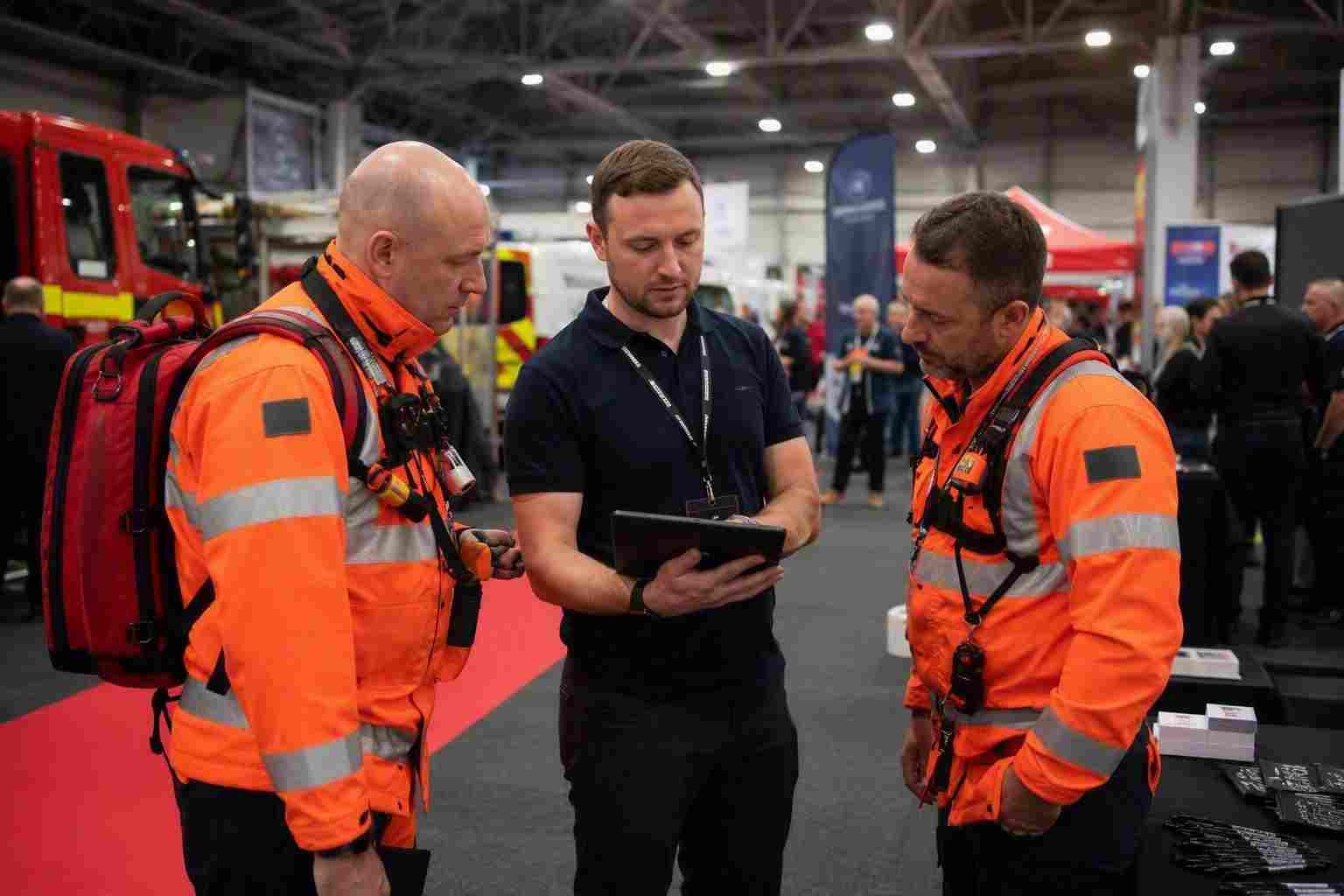
FlexManager will be exhibiting at INTERSCHUTZ 2026 from 1 to 6 June 2026 in Hannover, Germany.
Visit us at Hall 16, Stand G31 to see how FlexManager supports fire and emergency services with smarter compliance solutions, connected asset management, and stronger operational visibility.
A £1 million fine highlights machine guarding compliance gaps in manufacturing. See how FlexManager helps prove asset inspection and maintenance history.
Contractors are critical to operations, but they also introduce risk. Expired certifications, unclear responsibilities, or insufficient site knowledge can quickly create compliance issues.
Ireland's 2026 heatwave puts sun and heat safety compliance in focus. See how FlexManager keeps UV risk assessments and toolbox talks on record.
Two Texas OSHA cases expose contractor safety compliance gaps in confined space and staffing. See how FlexManager manages contractor pre-qualification.
What Good Looks Like: On-site Audits & Inspections On-site audits and inspections are a core part of HSEQ and compliance. But when they are not managed well, they quickly become a source of stress. Missed checks, inconsistent records, and unclear follow-ups can lead to more than just admin headaches. They create real risks around safety,…
Germany moves toward risk-based electrical equipment inspection compliance. See how FlexManager tracks asset inspections and keeps you audit-ready.
Peter Mullins, Director of Business Development at FlexManager, gives an overview of our Incident Reporting module, covering how incidents can be created and categorised by type, each with its own bespoke review workflow, and how the module connects directly into Asset Management and Training records.
Struggling with missing assets or unknown locations? FlexManager's Asset Management module uses NFC technology to give every asset a digital identity, so your team can scan, identify, and know everything instantly. As part of our Plant & Equipment core solution, this module offers organisations control and oversight of their stock, in an efficient, real-time platform that is designed to fit your process.
Finnish manufacturing sees safety representative compliance rise 10 percent. Learn how FlexManager keeps consultation and safety records audit-ready.
A $75K WorkSafeBC fine shows why warehouse racking inspection compliance needs real audit trails, not just paperwork. See how FlexManager helps.
Safety management is often seen as a regulatory necessity. Something that keeps organisations compliant and avoids penalties. But in reality, poor safety management goes far beyond compliance issues. It creates hidden costs that impact productivity, performance, and people.
A $330,000 Alberta OHS penalty highlights excavation safety compliance gaps. See how FlexManager helps contractors manage trench safety and training records.
DOC-DM-OB-4
Fill out the form below and one of our FlexPerts will contact you.