
Compliance Across Your Entire Port Operation
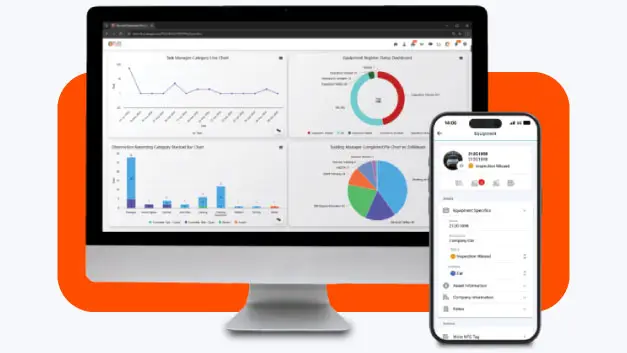
FlexManager provides companies operating in high-traffic terminals with a single, unified platform for induction, visitor throughput, and yard-asset uptime.
- FASTER GATE, FULL COMPLIANCE — Induct hauliers, visitors, and contractors from any device before they reach the terminal.
- FEWER INCIDENTS, FASTER REPORTING — Capture near-misses and environmental incidents on the spot and take action before they escalate.
- ONE VIEW ACROSS THE YARD — Cranes, reach stackers, and terminal tractors tracked and inspected in a single platform.
- AUDIT-READY, ALWAYS — Keep permits, inspections, and training records ready for any port authority audit, when you need them.
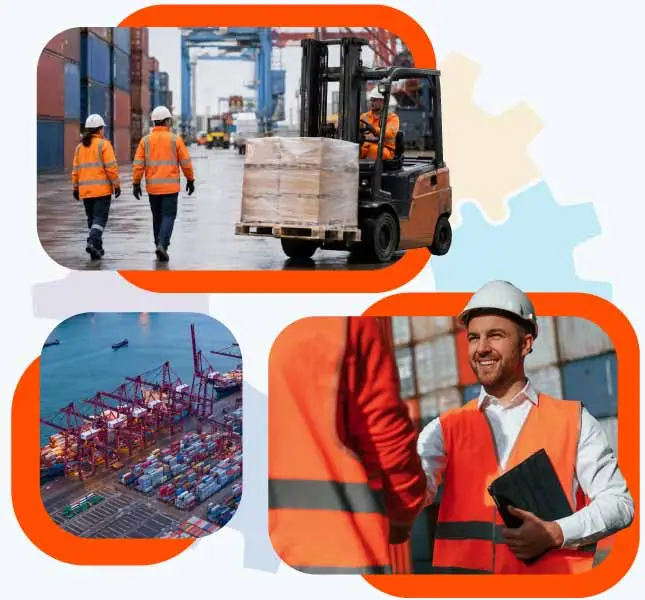
Built for the people who keep your terminal compliant
Port Operations Manager
Owns day-to-day terminal operations and constant visitor and haulier traffic.
HSEQ Manager
Owns safety and environmental compliance across dockworkers and contractors.
Facilities / Asset Manager
Manages heavy plant across a sprawling yard - cranes, reach stackers, terminal tractors.
"FlexManager has transformed our induction and orientation processes at Dublin Port. The system was implemented seamlessly, saving us time and ensuring complete compliance across our most challenging operations."
With FlexManager, you get unlimited system users and specialized support - with no hidden costs.
Frequently Asked Questions
What compliance challenges are unique to ports and marine terminals?
Ports and marine terminals combine multiple independent operators, heavy lifting equipment, hazardous cargo and constant vehicle and vessel movement on one live site. That mix makes consistent access control, permit management and environmental oversight harder than in a single-employer workplace, and regulators expect the port operator to prove standards are met across every tenant and contractor, not just direct employees.
How can a port operator manage safety across multiple contractors and companies on one site?
A digital compliance system lets a port operator verify, permit and induct every contractor and operator against one shared safety standard before they set foot on site, then track attendance and training centrally. This creates one enforced standard across a multi-operator estate instead of each company managing its own paperwork separately.
How should ports track permits for high-risk work like hot work or confined space entry?
High-risk permits should be time-boxed, tied to a checklist of required steps, and set to expire automatically with reminders before they lapse. This prevents a permit for hot work, confined space entry or similar high-risk tasks from running longer than authorised, and gives an auditable record of every permit issued on site.
How often should port cranes and lifting equipment be inspected?
Inspection frequency for cranes, forklifts and other lifting equipment should follow the manufacturer’s guidance and any statutory examination requirements in your jurisdiction. What a digital system adds is the ability to schedule recurring inspections against whatever frequency applies, capture the result on a mobile device, and automatically raise a maintenance task the moment an inspection fails.
What environmental compliance obligations apply to port and terminal operators?
Port and terminal operators typically need to evidence how they manage fuel, cargo residue, waste and any incidents that could affect the marine or surrounding environment, in line with their site’s environmental permit and local regulations. Digital audit and incident logging make it possible to produce that evidence quickly when a regulator or port authority asks for it.
How does digital compliance software reduce risk on a working port?
Digital compliance software reduces risk by replacing paper-based permits, inspections and inductions with real-time records that update the moment something is logged from the quayside. That closes the gap between an incident, inspection failure or expired permit happening and someone with authority finding out about it, which is where risk on a live, multi-operator site tends to build up.
How much experience does FlexManager have in ports and maritime?
Founded in 2011 in Galway, Ireland, FlexManager has spent 15 years serving regulated sectors across Europe, North America and beyond, including ports and marine terminal operators such as Dublin Port. FlexManager itself is certified to ISO 9001, 14001, 27001, and 45001, so it doesn’t just help port operators build audit-ready processes, it operates under the same accreditations.