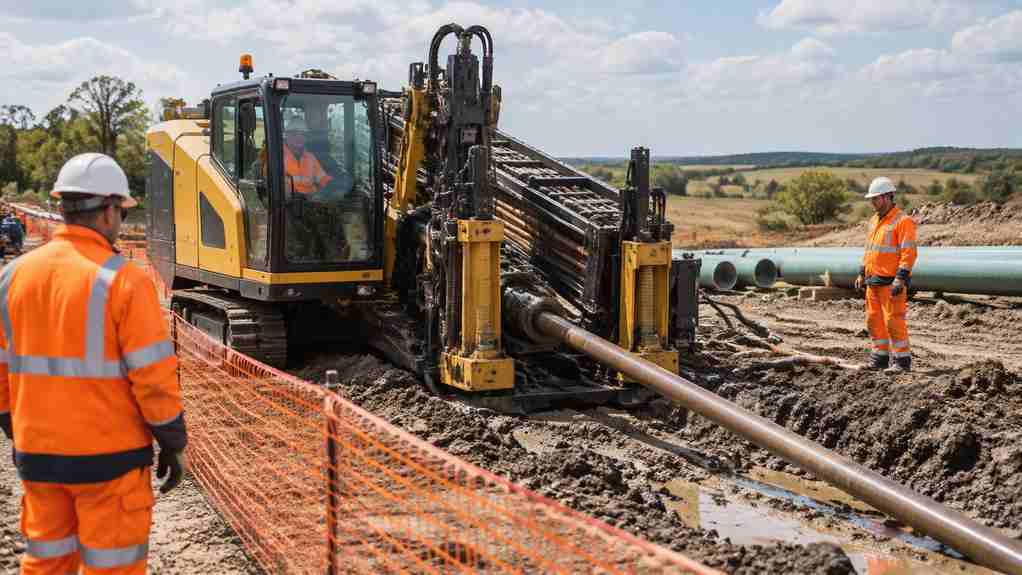


Traffic Management Compliance: Lessons From a €1.2m Ireland Fine
Traffic management compliance failures led to a €1.2m fine for an Irish roadworks contractor. See how digital RAMS reduce public road risk.

In the previous installment of this series where we look into Root-Cause Analysis (RCA) we explored what RCA is and why it matters. Now it is time to look at the tools and methods you can use to find underlying causes. Each method has its strengths and works best in specific situations, so knowing which one to choose can make your investigation more effective.
This is a simple but powerful method. You start with the problem and ask why it happened. Then you ask why again. Keep going until you reach the underlying cause.
E.g. A machine stopped working
The 5 Whys is ideal for straightforward issues where the root cause is not immediately obvious.
Also called a cause-and-effect diagram, this method helps teams visually map out possible causes under different categories such as People, Process, Equipment, Materials, and Environment.
It works well for complex issues where multiple factors may contribute to a problem. Seeing everything in one diagram helps teams spot connections they might have missed.
This method uses a top-down approach to map how a failure can occur. Start with the main problem at the top and branch down through potential causes, showing how they combine to create the issue.
Fault Tree Analysis is useful when dealing with high-risk situations or where safety and compliance are critical. It helps teams assess how different factors interact.
The key is to match the method to the type of incident and the level of complexity. Choosing the right root-cause method makes your investigations more focused and effective. Remember to build on what you learned earlier in this series; always look beyond surface issues and focus on underlying causes.
In the next and final part of the Root-Cause Analysis series, we will cover how to run an effective RCA, including team roles, gathering evidence, and turning findings into actionable improvements.
Traffic management compliance failures led to a €1.2m fine for an Irish roadworks contractor. See how digital RAMS reduce public road risk.
Women in construction safety take the spotlight as an Irish health and safety officer is crowned Miss Galaxy International. See how FlexManager supports diverse safety teams.
A fatal Saskatoon incident puts mobile plant safety back in focus. See how digital risk assessments protect workers around moving equipment.
Work at height compliance gaps led to a £20,000 fine after a UK roof fall. See how digital RAMS and inspections prevent repeat failures.
Two UK port forklift fines expose the same workplace transport compliance gap. See how FlexManager keeps traffic and pedestrian plans live, not filed away.
In high-pressure environments, contractor management often becomes a race against time. Projects must stay on schedule, downtime needs to be minimised, and contractors are expected to get to work quickly. But when speed overrides process, safety and compliance risks increase significantly.
Chemical safety compliance failures led to a $794,000 OSHA fine and two deaths at a US mill. See how FlexManager closes training gaps.
In many industries, patterns in safety incidents are rarely random. One trend that consistently emerges in HSEQ reporting is a spike in incidents toward the end of a shift. For safety and operations professionals, understanding why this happens is critical to improving compliance, reducing risk, and protecting both people and assets.
Quality assurance compliance gaps let faulty imported steel collapse part of an Australian public building. See how FlexManager helps.
Contractors and subcontractors play a vital role in modern operations. From maintenance and construction to specialist services, organisations rely on external expertise to keep things running. However, with that reliance comes increased risk, particularly when contractor compliance is not properly managed.
Machinery safety compliance failures cost an Irish manufacturer €400,000 after a fatal design flaw. See how FlexManager strengthens QA.
Demolition safety compliance failed when a UK site skipped its method statement. See how FlexManager's RAMS and permits close this gap.
DOC-DM-OB-4
Fill out the form below and one of our FlexPerts will contact you.