Germany’s TUV Association released its annual building inspection report in early June 2026, and the findings should concern every organisation responsible for facilities, industrial assets, or building operations. Nearly 36 percent of all technical systems inspected across Germany were found to have major defects. One year earlier, that figure was closer to 27 percent. In twelve months, the proportion of systems with significant failures jumped by nine percentage points.
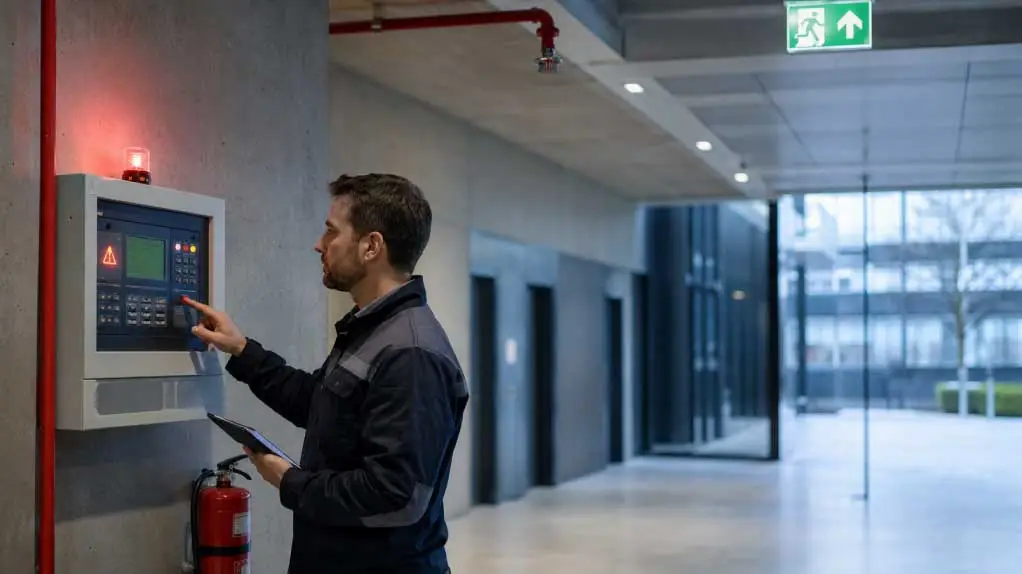
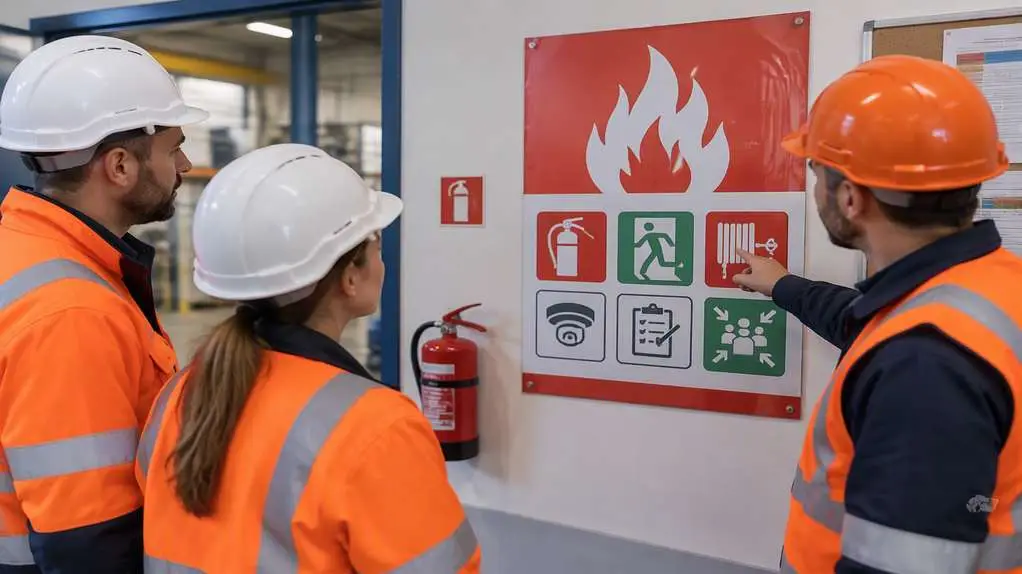
The report did not single out obscure or ageing infrastructure. The categories with the highest defect rates are among the most safety-critical systems in any industrial or commercial building. Fire suppression systems recorded a defect rate of 40.6 percent. Ventilation systems came in at 44.2 percent. Emergency power supplies showed defects in 35.2 percent of units inspected. Emergency lighting was close behind at 35 percent. Only 26.9 percent of all systems inspected were completely free from any fault.
These are not marginal technical oversights. Fire suppression systems exist for one reason: to contain a fire event before it becomes fatal. Emergency lighting and power supplies are the last line of defence when everything else fails. When more than one in three of these systems are found to have significant defects, the question is no longer whether inspections are happening. The question is whether they are being acted on, tracked, and resolved in time.
The gap between inspection and resolution
What drives defect rates this high is rarely a shortage of inspection activity. The more common pattern is a breakdown in what happens between inspection and remediation. Systems are checked. Faults are noted. But without a structured process to assign, escalate, track, and close out corrective actions, findings get logged and forgotten. The next inspection uncovers the same defects. The cycle repeats until something fails at the worst possible moment.
This is the operational compliance gap that many facilities teams and asset managers face. Inspections are often carried out as isolated events rather than as part of a connected maintenance and compliance workflow. Reports are filed on paper or in disconnected spreadsheets. There is no real-time visibility across a portfolio of assets. Managers cannot see which systems are overdue for follow-up, which defects are approaching a critical threshold, or which sites carry the highest risk exposure at any given time.
The TUV findings from Germany are a clear signal that the current approach, even in one of Europe’s most regulation-conscious industrial markets, is not closing the gap between identifying defects and eliminating them.
FlexManager: What Good Asset Management Looks Like
Organisations that maintain strong compliance records in asset-intensive environments tend to share a few operational characteristics. They use structured, digital inspection workflows that capture findings in real time, not after the fact. They link inspection outcomes directly to maintenance work orders, so that every defect immediately triggers a tracked corrective action. They set escalation rules so that high-severity findings reach the right decision-maker without delay. And they use reporting dashboards to monitor the status of all open issues across their full asset portfolio at any time.
This is the kind of operational infrastructure that makes the difference between a defect rate of 36 percent and a compliance programme that actually works.
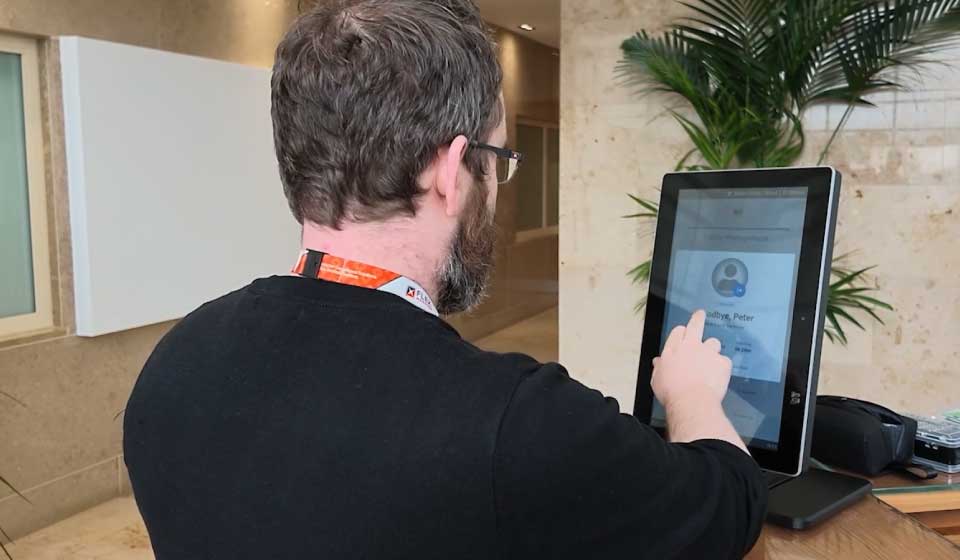
FlexManager supports organisations in building exactly this kind of connected workflow, bringing together asset management, planned maintenance, inspections and audits, corrective action tracking, and real-time reporting into a single platform. When an inspection team identifies a faulty fire suppression system or a ventilation unit with a critical defect, the finding does not disappear into a paper report. It becomes a tracked item with an owner, a deadline, and a clear path to resolution.
For organisations managing large or distributed asset portfolios, this kind of visibility is not a nice-to-have. Based on the evidence coming out of Germany this month, it is increasingly a regulatory and operational necessity.
See how FlexManager connects inspections, maintenance, and corrective actions in one platform: Book a demo today!