
Fire and Rescue Service Compliance: Lessons from France’s Wildfires
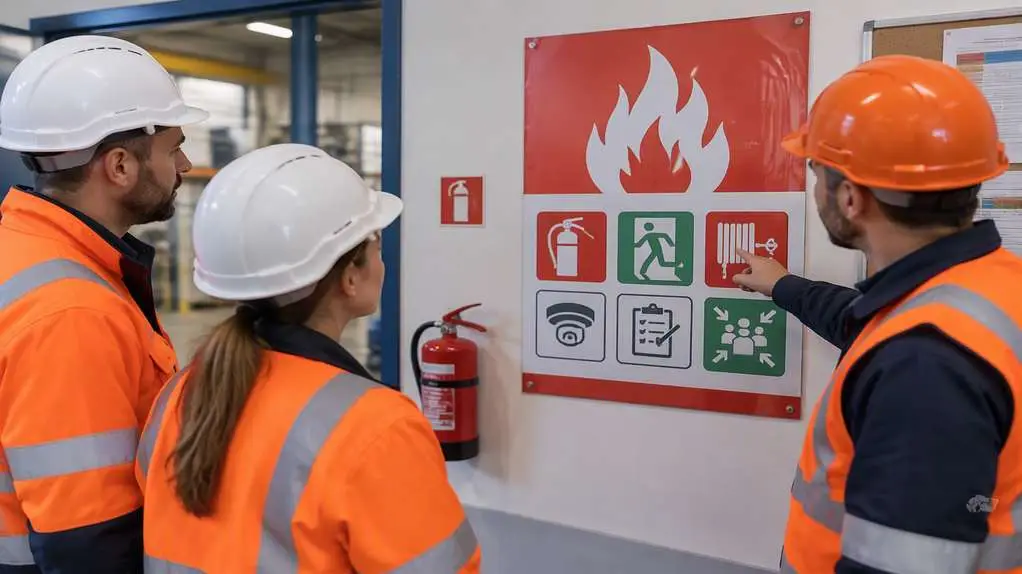
France's intense 2026 wildfire season highlights the pressure on fire and rescue service compliance. See how digital tools support readiness.

The pressure to reduce greenhouse gas (GHG) emissions is growing – and it’s not just coming from regulators. Clients, communities, and even your workforce are looking for businesses to take responsibility for their environmental impact. These topics were previously discussed in our CSR and ESG blogs. Emissions can pile up fast in many industries by merely conducting day-to-day operations, however small changes can make a big impact.
Before you can cut GHG emissions, you need to know the cause. On any given site, common sources include:
Typically, emissions come from everyday operations. With process changes and personnel training, these can be improved rather effectively.
It’s easy to have rough idea of your emissions, but estimating doesn’t cut it anymore. With regulatory bodies and directives relating to GHG emissions, having a tool to calculate emissions is essential.
The Emissions Calculator is a simple way for a business to monitor activities and automatically calculate the carbon you contribute to the environment. Knowing is the first step in reducing, which leads into the end-goal of having a “Win-Win” result of increasing a business’ bottom line, while improving the environment it inhabits.
This module provides in-depth analytics, live calculations, and provides alerts so your business can be aware of your emission usage to avoid any repercussions. By linking it with your CSR module, you can demonstrate your efforts to reduce the cabon effect of your activities.
With emissions data in your hand, the next moves are up to you. Here are some common changes that could aid you in your goal of cutting GHG emissions:
Greenhouse gas emissions aren’t someone else’s problem – it is a communal responsibility. By having the right tools in place, cutting down on carbon becomes less of a challenge. Start with the calculations, track your progress, and strive to build a cleaner, smarter operation.
This blog focused on a topic relevant to the Emissions Calculator module, which is part of the Eco-Compliance solution. This is one of six core solutions that forms an all-in-one solution, providing organisations with a complete overview of their operations to ensure they achieve their compliance goals. To find out more about our Emissions Calculator, visit our Eco-Compliance solutions page. If you wish to know more about our solutions at FlexManager, please get in touch with our team through our Contact section on FlexManager.com.
France's intense 2026 wildfire season highlights the pressure on fire and rescue service compliance. See how digital tools support readiness.
Stock management often sits quietly in the background, until something goes wrong. A missing part delays a repair. PPE runs out at the worst possible moment. An audit highlights gaps in records. Suddenly, what seemed like a routine process becomes a risk to operations, safety, and compliance.
Ontario's second Construction Death Review flags worker experience and equipment gaps. See what it means for construction safety compliance.
HSE's 2025/26 figures show falls from height still top UK workplace fatalities. See what it means for workplace safety compliance today.
HSE issued its first Prohibition Notice against an occupational health provider. See what it means for health surveillance compliance and contractor management.
For many organisations, managing HSEQ compliance has traditionally meant juggling spreadsheets, paper records, and disconnected systems. The result? Time-consuming processes, limited visibility, and a higher risk of errors or missed obligations.
Germany's TÜV Building Report 2026 found 35.9% of technical building systems have major defects, including fire suppression and ventilation. Here is what it means for facilities managers everywhere.
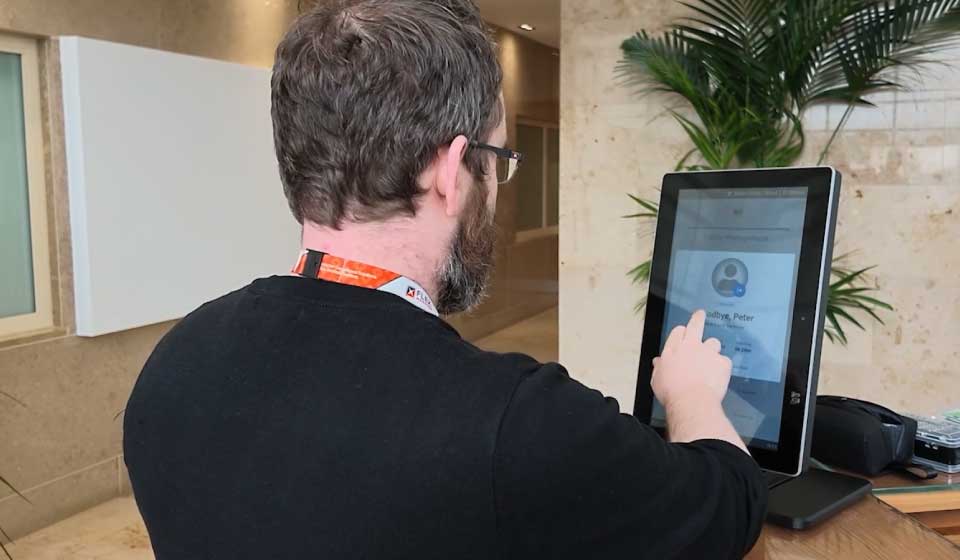
For organisations operating across multiple sites or with contractor teams, managing access isn’t just about security, it’s about safety, compliance, and operational efficiency. Every individual entering a site or performing tasks should be authorised, trained, and verified.
The HSA and HSENI have launched a joint all-island silica dust inspection campaign for construction sites running June to August 2026. Here is what employers need to do to stay compliant.
Esso was fined £1 million after corrosion identified in 2010 caused a catastrophic gas leak in 2022. The Fawley verdict is a warning for every organisation managing ageing industrial assets.
France has launched its National Occupational Health Plan 2026–2030, raising the bar on workplace safety compliance, risk assessments, and contractor worker training. Here is what it means for employers.
Whether it’s improving data accuracy, streamlining training, or equipping teams with durable technology, FlexManager has you covered with reliable products that provide assurance in compliance for organisations. We are looking back at our "Product Showcases" to explore once more how our centralised solution can work with technology to transform day-to-day operations for our clients. Let's revisit each product featured, what it offers, and why it matters.
Fill out the form below and one of our FlexPerts will contact you.