

Fire and Rescue Service Compliance: Lessons from France’s Wildfires
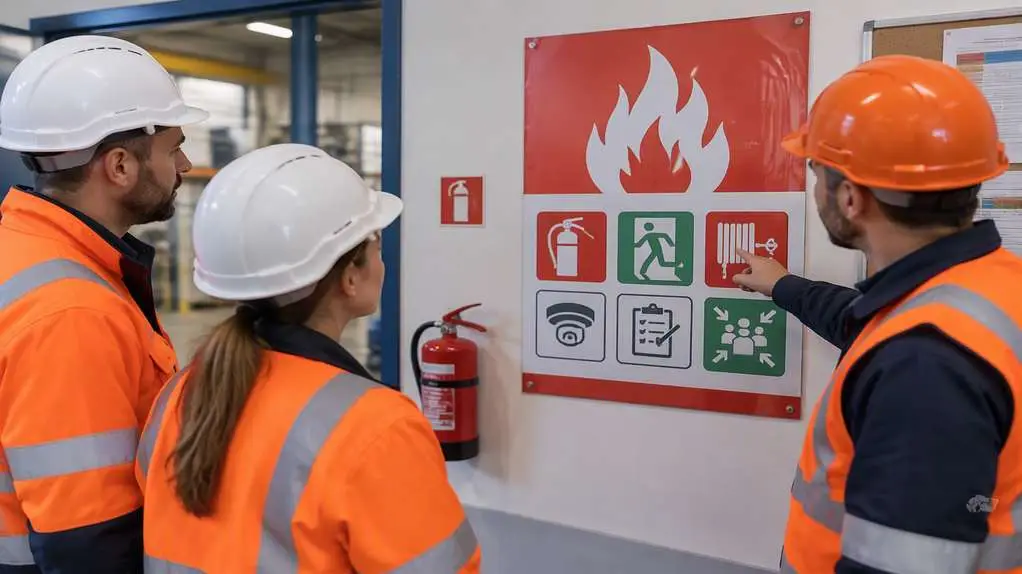
France's intense 2026 wildfire season highlights the pressure on fire and rescue service compliance. See how digital tools support readiness.

HSEQ management has evolved significantly over the past decade. As workforces become more mobile and operations more complex, traditional, desktop-based systems struggle to keep pace. AI and mobile technology are now playing a key role in helping HSEQ teams manage risk more efficiently, improve visibility and reduce administrative burden — without compromising compliance.
Mobile technology has become a foundation of modern HSEQ systems. Inspections, incidents, quality checks and permits are no longer confined to the office. Mobile-first platforms allow workers to capture information in real time, at the point of work, improving accuracy and timeliness. For HSEQ professionals, this means better data, faster response times and improved engagement from frontline teams who are more likely to use tools that fit naturally into their day.
AI builds on this foundation by helping organisations make sense of growing volumes of data. Rather than manually reviewing reports and spreadsheets, AI-driven analytics can identify patterns, recurring issues and emerging risks that might otherwise go unnoticed. For example, trends across inspections or corrective actions may highlight a systemic process issue before it results in an incident.
Importantly, AI and mobile technology are not about replacing human expertise, rather they are about supporting better decision-making. Automation reduces repetitive admin tasks such as reminders, escalations and reporting, freeing HSEQ teams to focus on high-value activities like engagement, coaching and improvement planning. When integrated with contractor management, training and task workflows, these technologies create a connected ecosystem that supports compliance while driving operational efficiency.
AI and mobile technology are no longer “nice to have” in HSEQ — they are becoming essential tools for managing risk in modern, dynamic workplaces. By adopting mobile-first systems and smarter analytics, organisations can improve visibility, reduce admin and stay ahead of emerging risks.
France's intense 2026 wildfire season highlights the pressure on fire and rescue service compliance. See how digital tools support readiness.
Stock management often sits quietly in the background, until something goes wrong. A missing part delays a repair. PPE runs out at the worst possible moment. An audit highlights gaps in records. Suddenly, what seemed like a routine process becomes a risk to operations, safety, and compliance.
Ontario's second Construction Death Review flags worker experience and equipment gaps. See what it means for construction safety compliance.
HSE's 2025/26 figures show falls from height still top UK workplace fatalities. See what it means for workplace safety compliance today.
HSE issued its first Prohibition Notice against an occupational health provider. See what it means for health surveillance compliance and contractor management.
For many organisations, managing HSEQ compliance has traditionally meant juggling spreadsheets, paper records, and disconnected systems. The result? Time-consuming processes, limited visibility, and a higher risk of errors or missed obligations.
Germany's TÜV Building Report 2026 found 35.9% of technical building systems have major defects, including fire suppression and ventilation. Here is what it means for facilities managers everywhere.
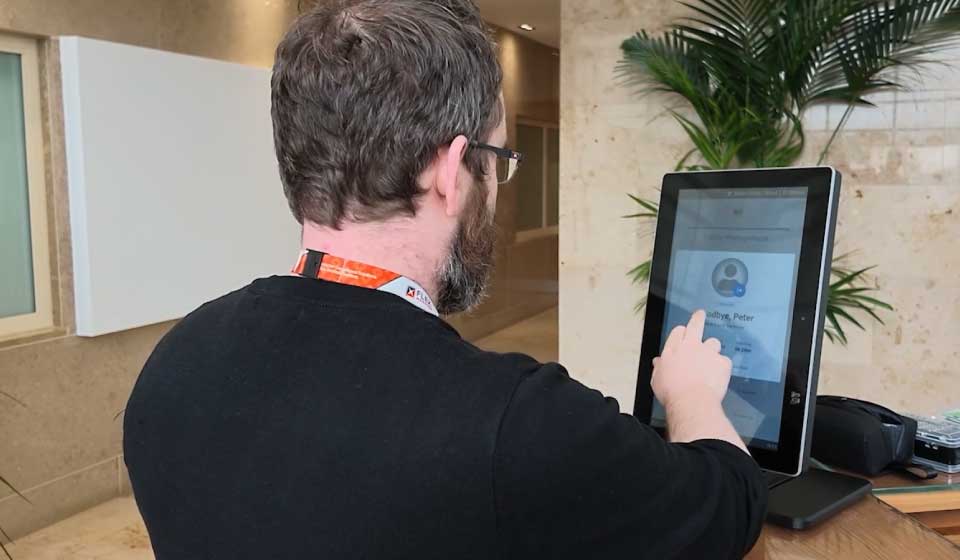
For organisations operating across multiple sites or with contractor teams, managing access isn’t just about security, it’s about safety, compliance, and operational efficiency. Every individual entering a site or performing tasks should be authorised, trained, and verified.
The HSA and HSENI have launched a joint all-island silica dust inspection campaign for construction sites running June to August 2026. Here is what employers need to do to stay compliant.
Esso was fined £1 million after corrosion identified in 2010 caused a catastrophic gas leak in 2022. The Fawley verdict is a warning for every organisation managing ageing industrial assets.
France has launched its National Occupational Health Plan 2026–2030, raising the bar on workplace safety compliance, risk assessments, and contractor worker training. Here is what it means for employers.
Whether it’s improving data accuracy, streamlining training, or equipping teams with durable technology, FlexManager has you covered with reliable products that provide assurance in compliance for organisations. We are looking back at our "Product Showcases" to explore once more how our centralised solution can work with technology to transform day-to-day operations for our clients. Let's revisit each product featured, what it offers, and why it matters.
DOC-DM-OB-4
Fill out the form below and one of our FlexPerts will contact you.