
FlexManager’s Release Notes – November, 2026
FlexManager's Release Notes from November, 2026
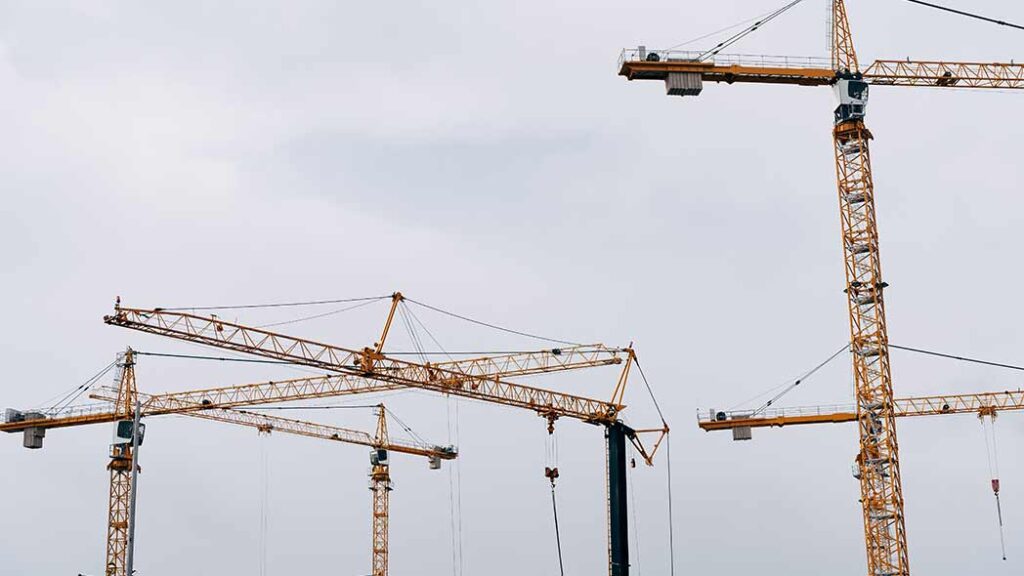
The construction market in the country experienced robust growth during 2020-2024, achieving a CAGR of 8.4%. This upward trajectory is expected to continue, with the market forecast to grow at a CAGR of 5.2% during 2025-2029. By the end of 2029, the construction sector is projected to expand from its 2024 value of EUR 11.10 billion to approximately EUR 15.38 billion.
This report provides a detailed data-centric analysis of the construction sector in Ireland, offering a comprehensive view of market opportunities in the building and infrastructure construction industry at the country level. With over 100+ KPIs covering growth dynamics in building and infrastructure construction, construction cost structure analysis, and analysis by key cities in the country, this databook provides a wealth of data-centric analysis with charts and tables, ensuring stakeholders are fully informed.
It offers a comprehensive analysis of market dynamics in the construction sector through a range of KPIs such as value, volume, and number of units. The building construction covers detailed segmentation over 30+ segments in residential, commercial, industrial, and institutional sectors. The analyst’s research methodology is based on industry best practices. Its unbiased analysis leverages a proprietary analytics platform to offer a detailed view of emerging business and investment market opportunities.
Key Insights
Ireland Residential Construction
The Irish residential construction sector is poised for growth, supported by government initiatives like the “Housing for All” plan and significant investments in urban housing and renovations. The commitment to sustainable, energy-efficient housing and expanding modular construction methods are expected to improve project completion rates and affordability. However, rising material costs, supply chain disruptions, and regulatory hurdles continue to impact the pace of development, requiring streamlined policies and better infrastructure planning to ensure long-term stability.
Addressing skilled labor shortages through vocational training and apprenticeship programs will be essential to meeting Ireland’s housing targets. Public-private partnerships (PPPs) will be key in balancing housing supply across affordable and premium segments. Additionally, adopting technology, such as Building Information Modeling (BIM) and sustainability initiatives, will enhance project efficiency and attract investment. Stakeholders must adapt to these industry shifts by prioritizing resilience in project execution and aligning with government-led housing strategies to drive sectoral growth.
Ireland Commercial Construction
The commercial construction sector in Ireland is evolving to meet businesses’ changing demands, particularly with the rise of hybrid work models and sustainability requirements. While urban regeneration projects and green-certified buildings present new opportunities, inflation and economic uncertainty pose significant challenges to investment feasibility. Developers focus on flexible office spaces and mixed-use developments to maintain relevance in a shifting commercial real estate market.
To remain competitive, stakeholders must prioritize innovation and sustainable building practices, leveraging smart technologies and energy-efficient designs. The government’s tax incentives and urban revitalization programs provide crucial support, but streamlined regulatory approvals will be necessary to accelerate project execution. As demand for specialized skills in modern construction methods grows, investing in workforce training programs will be critical for long-term sector resilience.
Ireland Institutional Construction
The institutional construction sector in Ireland is poised for long-term growth, fueled by government investments in healthcare, education, and infrastructure projects. However, persistent labor shortages, cost overruns, and supply chain disruptions remain key concerns, requiring streamlined policies and improved project management strategies to maintain momentum.
To capitalize on emerging opportunities, stakeholders must integrate innovative construction technologies such as BIM, AI, and modular building techniques to enhance efficiency and reduce costs. The public-private collaboration will be crucial in overcoming financial and regulatory hurdles and ensuring the timely execution of large-scale projects. Expanding workforce training programs will help address labor shortages, equipping the sector with the necessary skills to support Ireland’s long-term institutional construction ambitions.
Ireland Industrial Construction
Ireland’s industrial construction sector is expanding, with high-tech manufacturing, pharmaceutical production, and renewable energy projects driving growth. Government-backed initiatives and foreign direct investment (FDI) incentives strengthen Ireland’s position as a global hub for advanced manufacturing. However, rising material costs, regulatory complexities, and land acquisition hurdles delay project execution, necessitating more efficient approval processes and strategic policy interventions to maintain momentum.
To remain competitive, stakeholders must focus on automation, AI-driven industrial processes, and sustainable manufacturing practices. Public-private partnerships (PPPs) will play a vital role in financing large-scale industrial zones, while continuous investment in vocational training and workforce development is essential to address skill shortages. As green industrial policies and digital infrastructure gain traction, adopting smart technologies and sustainable building solutions will ensure long-term cost efficiency and sectoral resilience.
Ireland Infrastructure Construction
Ireland’s infrastructure construction sector is positioned for growth, with government-backed investments in transport, energy, and housing projects driving expansion. Despite the contraction, the sector is expected to recover. However, high construction costs, regulatory delays, and a lack of streamlined planning processes continue to hinder progress. Addressing these issues through policy reforms and increased development financing will be crucial for sustained sectoral growth.
To maximize opportunities, stakeholders should adopt modern construction methods that enhance efficiency and reduce costs. Public-private partnerships (PPPs) will be vital in funding and executing sustainable infrastructure projects, particularly green energy and smart urban developments. Additionally, expanding vocational training programs to bridge labor shortages and improve workforce capacity will be key to ensuring that Ireland’s infrastructure sector remains resilient, competitive, and aligned with long-term national development goals.
For more information about this report visit https://www.researchandmarkets.com/r/oe27kh
Original Article – Business Wire
FlexManager's Release Notes from November, 2026

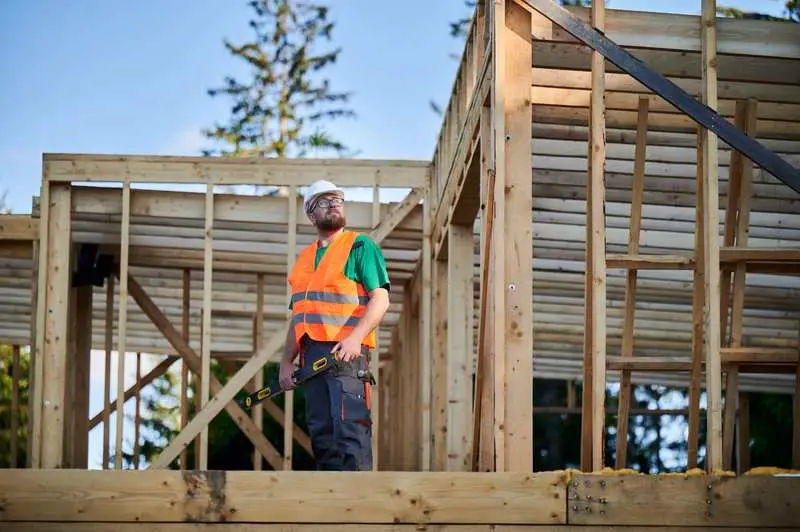
Faster housing delivery shouldn’t mean skipped checks. Here’s what we took from Lean Construction Ireland 2026, and how FlexManager helps construction firms keep inspections, maintenance, and subcontractor compliance on course.
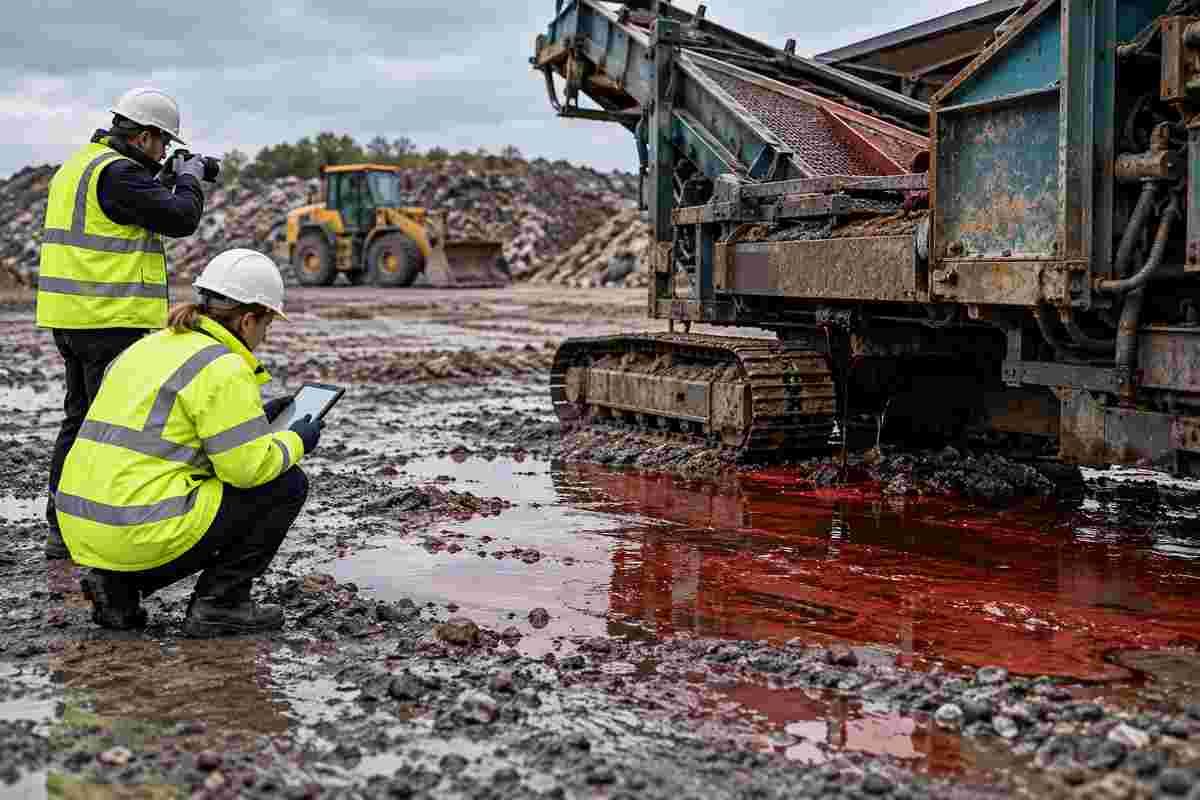
A Cheltenham waste operator has been ordered to pay more than £47,000 after deliberately emptying red diesel onto the ground during an HMRC inspection.

Washington’s Department of Labor & Industries (L&I) has cited Nippon Dynawave after a worker at its Longview paper mill fell into a sinkhole filled with hot pulp. The incident predates a separate tank failure that killed 11 workers there in May.
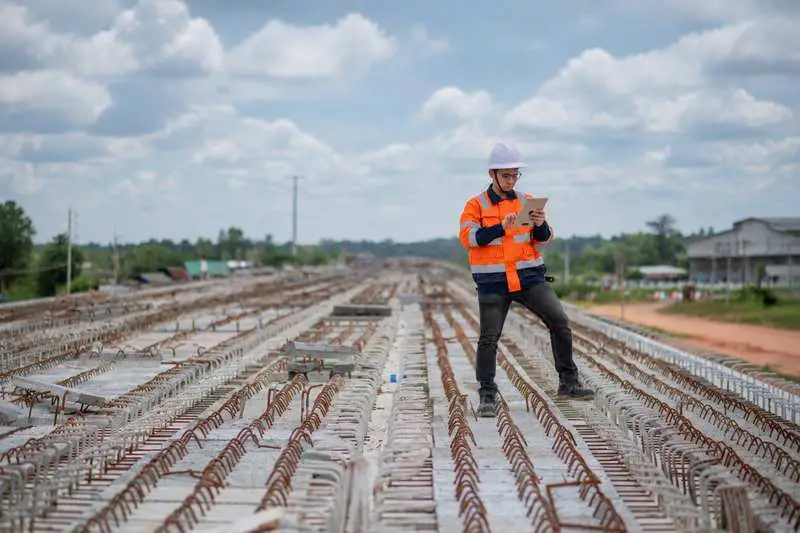
Ahead of Lean Construction Ireland 2026 at Johnstown Estate on 4 November, we look at where Lean meets safety and compliance: from paperwork waste and safer sites to offsite quality and supply-chain sustainability.

FlexManager is exhibiting at the Lean Construction Ireland 2026 Annual Conference at Johnstown Estate on 4 November. We look at three topics we expect to hear about: innovation, AI and digital transformation, and reconfiguring construction.

With 660 exhibitors at Expoprotection 2026, comparing HSEQ software can be overwhelming. Here are five questions to ask every vendor, and where to find them on the show floor.

Expoprotection 2026 is launching the Hub des Préventeurs, a new event created by and for prevention professionals. We look at the five themes on its agenda and what they mean for HSEQ teams.

Expoprotection returns to Paris from 3–5 November, with 660 exhibitors covering risk prevention and management. We look at three trends we expect to hear about: the interconnectivity of HSEQ, AI in prevention, and new solutions for real-world safety.

Compliance horrors don’t jump out of the dark. They creep up through expired tickets, missed inspections and scattered paperwork. Here are five ways to keep them away this Halloween and all year round.
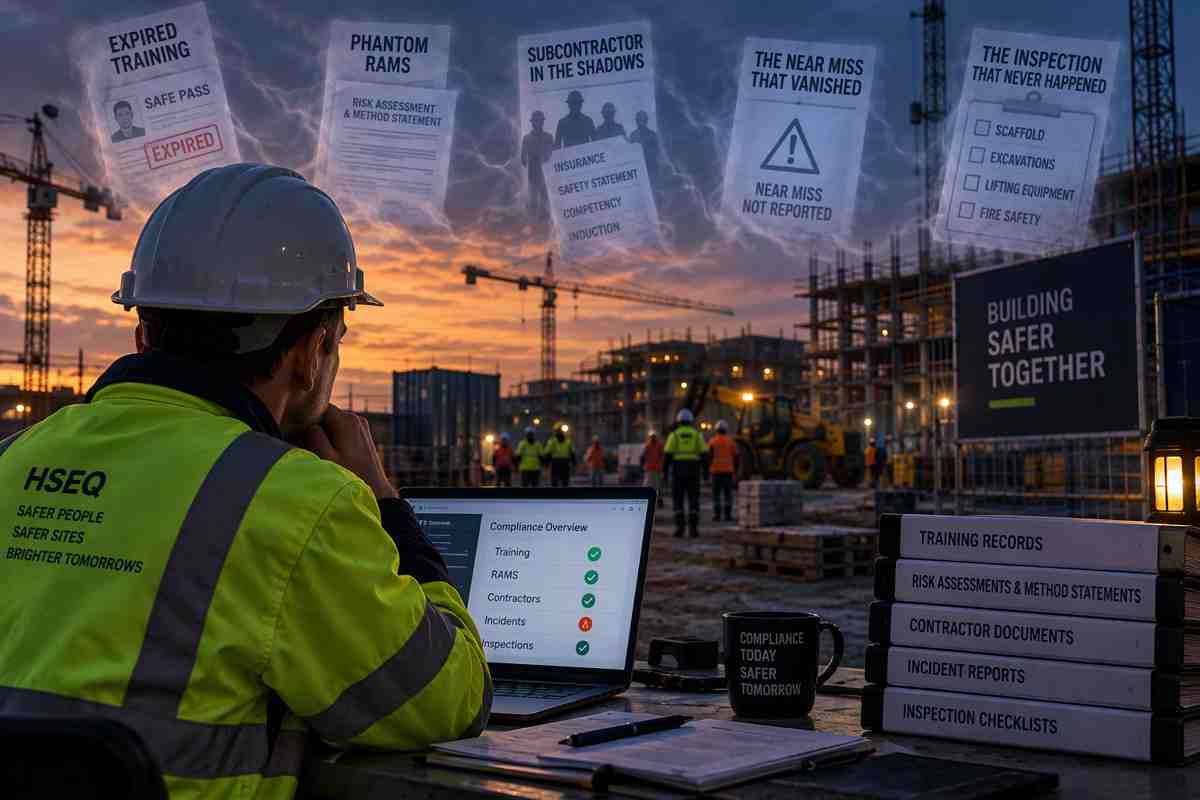
Every construction site has its ghosts: the compliance gaps nobody sees until an inspector, an auditor or an incident brings them out. Here are five that keep HSEQ managers up at night, and how to get rid of them.
Fill out the form below and one of our FlexPerts will contact you.