
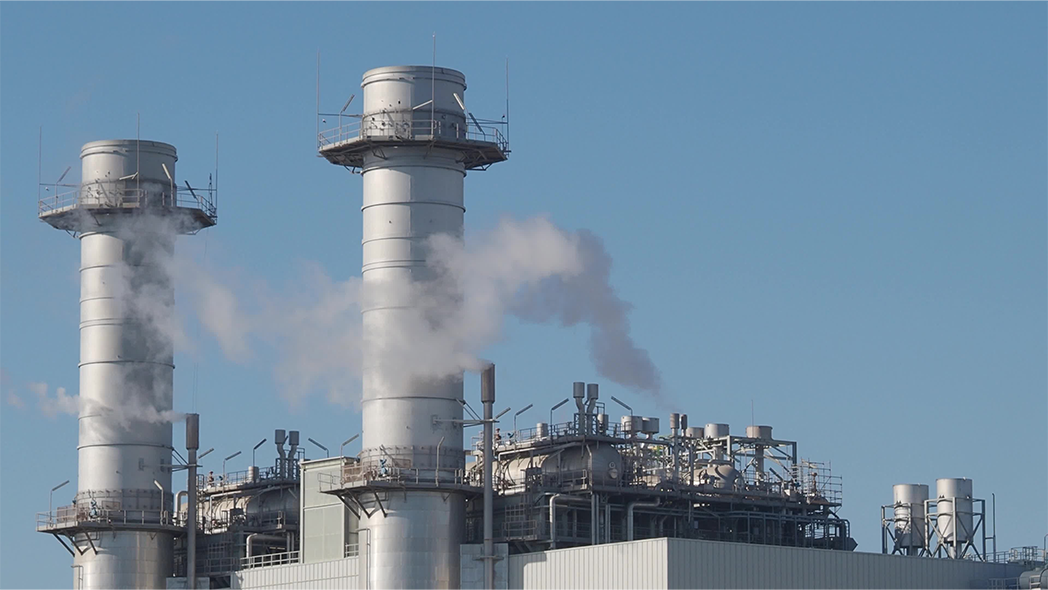
Data Centre Emissions Penalty Hits Microsoft for $2.5M
A data centre in Virginia has received a $2.5 million penalty for going above emissions limits. The fine was handed out by a Virginia state agency.

Great Britain’s national regulator for workplace health and safety is inviting businesses, employers, health practitioners and industry stakeholders to help shape the future of workplace incident reporting in Great Britain.
The Health and Safety Executive (HSE) has today (Tuesday 7 April) launched a public consultation on The Reporting of Injuries, Diseases and Dangerous Occurrences Regulations 2013 (RIDDOR).
The consultation marks a significant opportunity to update regulations that underpin how work-related injuries, ill health and dangerous occurrences are reported to the regulator. The proposals are designed both to strengthen protections for workers and to cut unnecessary administrative burden on businesses.
Businesses now have the opportunity to consult on proposals for both legislative and non-legislative changes.
On the legislative side, HSE is consulting on clarifying definitions within RIDDOR where existing terminology has been identified as unclear or ambiguous.
HSE is also proposing to revise both the list of dangerous occurrences, to better reflect modern workplace risks, and the list of reportable occupational diseases, reintroducing some conditions previously removed from the list and adding new ones to ensure serious instances of work-related ill health are properly captured.
A further proposal from the regulator would broaden who could formally diagnose a reportable occupational disease. Currently, diagnosis must be made by a doctor registered with and holding a licence to practise with the General Medical Council (GMC). HSE is proposing to extend this to other registered health practitioners, reflecting the wider range of professionals involved in occupational health.
On the non-legislative side, HSE is seeking views on simplifying the online RIDDOR reporting form to improve usability and tackle both under-reporting and over-reporting — a longstanding challenge for the regulator and for businesses alike.
Rachael Radway, Deputy Director of Regulation at the Health and Safety Executive, said: “RIDDOR reporting is central to how we identify emerging risk, target regulatory activity and contribute to the evidence base for workplace health and safety. This consultation allows those who will be affected by the changes to have their say as we look to improve standards and reduce the burden on business.
“The consultation is relevant across all sectors and industries. Duty holders, self-employed workers and those in control of work premises are particularly encouraged to respond. We are also encouraging healthcare practitioners involved in diagnosing and managing work-related conditions to engage as the proposed changes may impact their ways of working in the future.”
The consultation closes on 30 June 2026.
The full consultation document is available on the HSE website.
Original Article – Health Service Executive
A data centre in Virginia has received a $2.5 million penalty for going above emissions limits. The fine was handed out by a Virginia state agency.
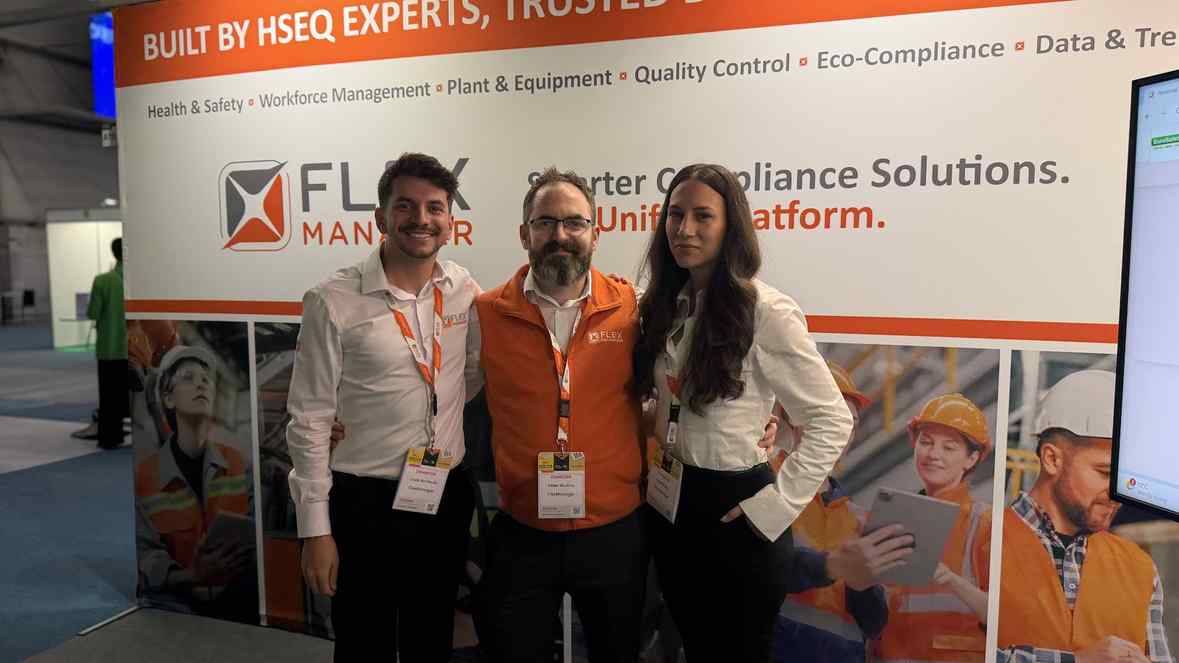
In this video, we recap the highlights from our time at EuroSafety 2026, where we showcased how smarter digital solutions can help organisations manage compliance better while staying audit-ready. Take a look and drink in the atmosphere of what was a really worthwhile and well-executed event.

With our intuitive platform, you can help yourself stay audit-ready, always. Our ready-built e-compliance tool gives you the modules you need to have your records ready for an audit, instantly.

In the UK, a near miss involving a passenger train and a telehandler took place towards the end of August, prompting the Rail Accident and Investigations Branch (RAIB) to release a recent news story on the matter. North Yorkshire was the location of the close call.

In Hong Kong, the 19th construction accident leading to a death occurred on Friday, September 11th. The individual, an experienced contractor construction worker, fell while putting up scaffolding.

A company in Minnesota has received an almost $19,000 fine for violations regarding air permit and waste management. Schwing Bioset received the $18,939 fine from the Minnesota Pollution Control Agency (MPCA) following observations about its North Branch operations that were made in 2024.

Samantha Arcega from Doyle Shipping Group - DSG, shares her experience using FlexManager to support health and safety management across the organisation. In this customer testimonial, Samantha discusses how FlexManager helps Doyle Shipping Group manage compliance, improve visibility and support more efficient HSEQ processes.
In August, FlexManager paid a visit to Doyle Shipping Group (DSG) at Dublin Port. It was a fantastic opportunity to get up close with the logistics and nuanced processes of an organisation that touches on all aspects of the supply chain, and to see how they use FlexManager to help them. During our visit, we spoke with Samantha Arcega, DSG Sustainability Team Lead.

In just a few short weeks, we’ll soon be into October; time is passing by, but what’s changing when it comes to suicide rates among construction workers? And what can be done to combat it?

On Thursday, FlexManager attended the Emergency Services & Military Expo, and it was a fantastic way to spend a morning and an afternoon in Athlone, right in the centre of Ireland. So, without further ado, let’s run through some of the main compliance lessons from Ireland’s frontline expo.

We’ve landed back from our worthwhile trip to Tampere, Finland – and we’re really thrilled with how it all went. The three-day event at EuroSafety 2026 was a pleasure to be part of for a number of reasons, so join us as we recap what we learned, the topics we uncovered, and why we’re excited for the rest of the year and beyond.

A panel has found that a Japanese motor manufacturer had some 844 misconduct cases linked to the company’s materials, processes, and designs impacting their products.
Fill out the form below and one of our FlexPerts will contact you.