Digital emergency services compliance was the defining conversation at the world’s most important fire and rescue trade fair. INTERSCHUTZ closed its doors in Hannover on 6 June 2026 after drawing approximately 140,000 visitors from 144 countries, making it the largest edition in the event’s history. For anyone working in or alongside emergency services, the conversations and technologies on display offered a clear signal about where the sector is heading.
One theme stood above all others: the move from disconnected, paper-based operations to fully integrated, digital management systems. Across exhibitor halls covering more than 118,000 square metres, the message was consistent. Emergency services around the world are under pressure. Call volumes are rising. Incident scenarios are becoming more complex. Staffing resources are constrained. And the demand for real-time situational awareness has never been greater.
Why digital operational management has become a priority
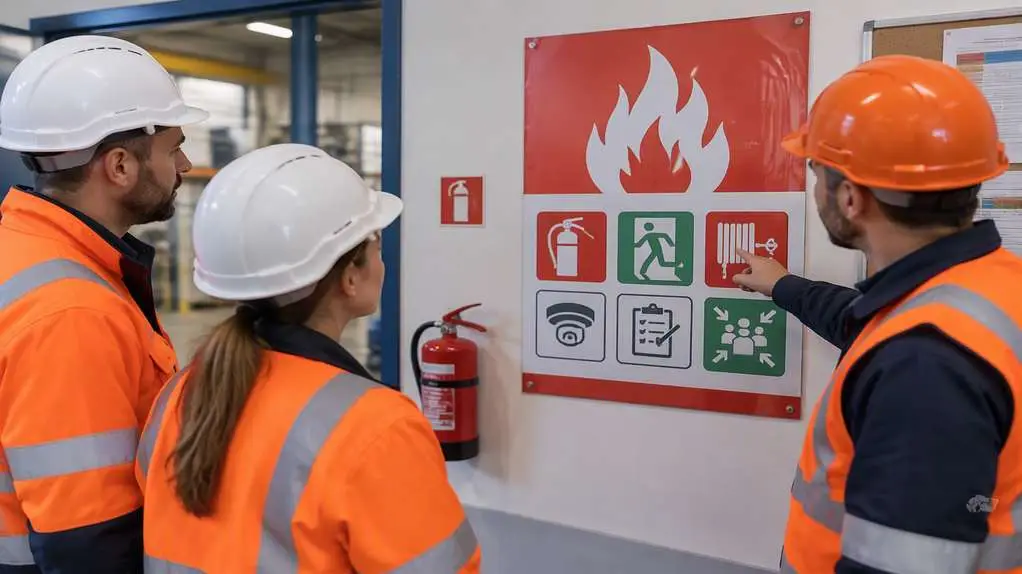
For fire and rescue services, operational compliance is not an abstract concept. It covers fleet readiness and vehicle inspection schedules. It covers breathing apparatus checks and PPE maintenance logs. It covers training records and certification renewals for every officer on the roster. It covers risk assessments for new incident types and audit trails for every major decision made during a response.
When these records live on paper or in disconnected systems, gaps appear. A vehicle goes into service with an overdue inspection. A training certification lapses unnoticed. Equipment that should have been withdrawn after a defect is still in use. These are not theoretical risks. They are the operational reality for many services still running legacy processes.
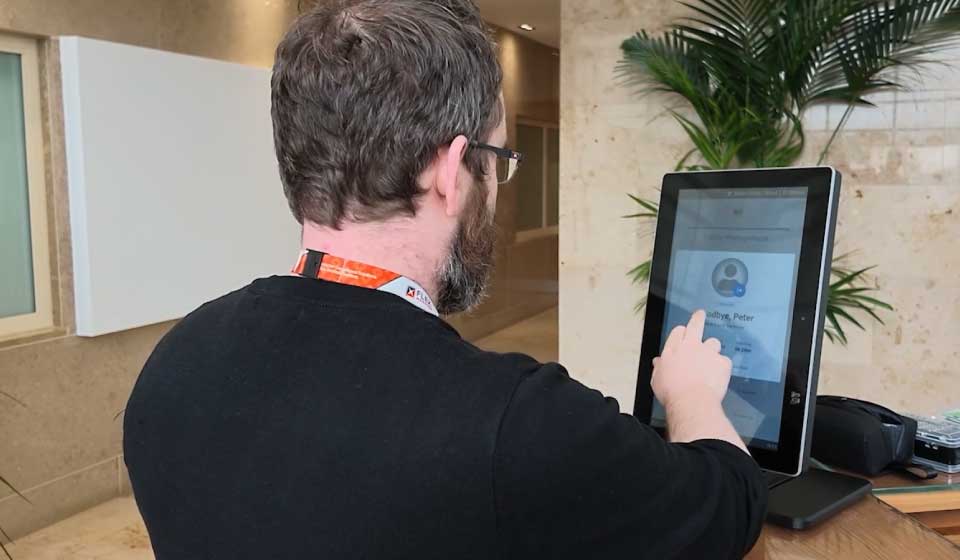
The organisations leading the field, including many of those represented at INTERSCHUTZ 2026, are addressing this by connecting their operational compliance processes to integrated digital platforms. Asset management, maintenance scheduling, inspection records, training and certification tracking, incident reporting, and workforce management all flowing through a single system gives operational managers the visibility they need to make confident decisions.
The shift from reactive to proactive operations
One of the most discussed shifts at INTERSCHUTZ was the move from reactive to proactive emergency management. AI-assisted response planning, predictive analytics for equipment maintenance, and networked asset monitoring were all prominent themes. The technology underpinning these capabilities requires clean, reliable operational data. That means every inspection, every maintenance action, and every training record needs to be captured accurately and consistently, in real time.
This is why the foundational layer of digital operational management matters so much. Before any organisation can benefit from advanced analytics or AI-assisted tools, it needs to have its core compliance and operational data in order. Inspection records need to be structured and searchable. Maintenance logs need to be linked to asset profiles. Workforce qualifications need to be tracked against deployment requirements.