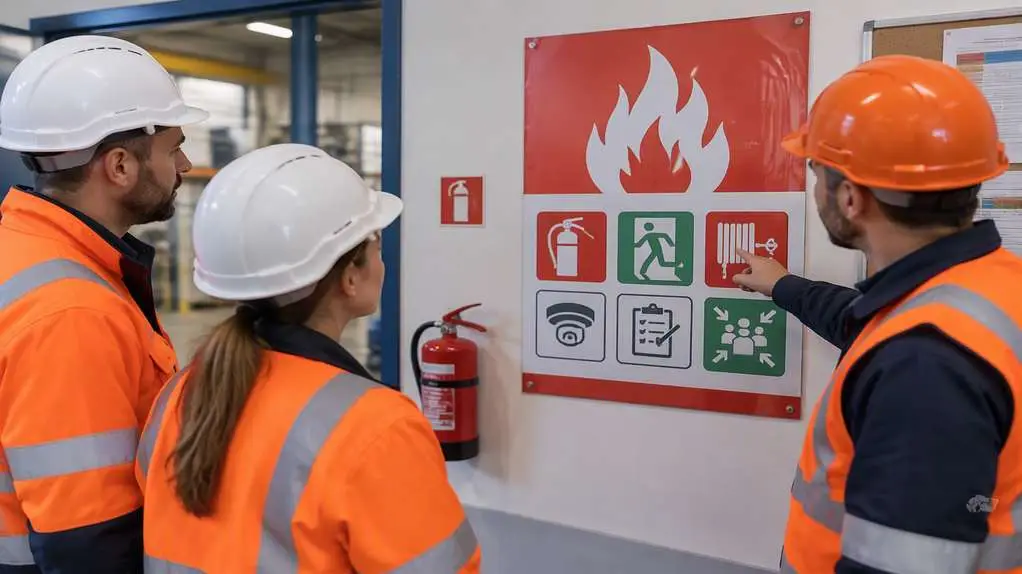


Fire and Rescue Service Compliance: Lessons from France’s Wildfires
France's intense 2026 wildfire season highlights the pressure on fire and rescue service compliance. See how digital tools support readiness.

Data is now central to how HSEQ teams manage risk, demonstrate compliance, and report performance. From incident reports and audits to training records and contractor information, organisations are collecting more information than ever. However, more data does not automatically mean better decisions. Without proper structure, validation, and interpretation, HSEQ data can mislead, overwhelm, or even increase risk, impacting the ability for teams to act proactively.
One of the most common challenges is inconsistent or inaccurate data. Incomplete fields, duplicate entries, or conflicting records can make trend analysis unreliable and mask emerging risks. This often happens when data is captured across multiple spreadsheets or manual systems.
When HSEQ professionals cannot trust the accuracy of the information, decisions based on dashboards or reports may be flawed, leaving organisations exposed to compliance gaps or operational failures.
How to address it:
Even high-quality data can be misleading if trends are interpreted incorrectly. Lag indicators, such as incident counts or corrective actions closed, are important but only show outcomes after the fact. Organisations may assume performance is improving simply because incident rates are low, while underlying hazards or process weaknesses remain.
How to address it:
Monitor trends over time to identify recurring issues, not just isolated events.
Combine safety, quality, training and contractor compliance data to understand how different factors influence risk under a connected solution like FlexManager.
Use scheduled reporting and dashboards, such as those within FlexManager, to view related data in one place and support more informed decision-making.
As dashboards and KPIs multiply, HSEQ teams can quickly become overwhelmed. Too many metrics can create noise, making it difficult to focus on what matters. The result: delayed action, missed responsibilities, and frustration among managers and frontline staff alike.
Best practices:
FlexManager’s Data & Trends modules help reduce noise by highlighting critical insights, assigning responsibilities, and ensuring timely follow-up.
Digital platforms like FlexManager centralise data, link leading and lagging indicators, and provide actionable dashboards and alerts. This empowers teams to act proactively, improve compliance, and reduce operational risk.
To see how your data can work for you, reach out to our team through our Contact section, or Book a Demo here.
France's intense 2026 wildfire season highlights the pressure on fire and rescue service compliance. See how digital tools support readiness.
Stock management often sits quietly in the background, until something goes wrong. A missing part delays a repair. PPE runs out at the worst possible moment. An audit highlights gaps in records. Suddenly, what seemed like a routine process becomes a risk to operations, safety, and compliance.
Ontario's second Construction Death Review flags worker experience and equipment gaps. See what it means for construction safety compliance.
HSE's 2025/26 figures show falls from height still top UK workplace fatalities. See what it means for workplace safety compliance today.
HSE issued its first Prohibition Notice against an occupational health provider. See what it means for health surveillance compliance and contractor management.
For many organisations, managing HSEQ compliance has traditionally meant juggling spreadsheets, paper records, and disconnected systems. The result? Time-consuming processes, limited visibility, and a higher risk of errors or missed obligations.
Germany's TÜV Building Report 2026 found 35.9% of technical building systems have major defects, including fire suppression and ventilation. Here is what it means for facilities managers everywhere.
For organisations operating across multiple sites or with contractor teams, managing access isn’t just about security, it’s about safety, compliance, and operational efficiency. Every individual entering a site or performing tasks should be authorised, trained, and verified.
The HSA and HSENI have launched a joint all-island silica dust inspection campaign for construction sites running June to August 2026. Here is what employers need to do to stay compliant.
Esso was fined £1 million after corrosion identified in 2010 caused a catastrophic gas leak in 2022. The Fawley verdict is a warning for every organisation managing ageing industrial assets.
France has launched its National Occupational Health Plan 2026–2030, raising the bar on workplace safety compliance, risk assessments, and contractor worker training. Here is what it means for employers.
Whether it’s improving data accuracy, streamlining training, or equipping teams with durable technology, FlexManager has you covered with reliable products that provide assurance in compliance for organisations. We are looking back at our "Product Showcases" to explore once more how our centralised solution can work with technology to transform day-to-day operations for our clients. Let's revisit each product featured, what it offers, and why it matters.
DOC-DM-OB-4
Fill out the form below and one of our FlexPerts will contact you.