EuroSafety 2026: Compliance and Safety for Finland's Ports and Maritime Operators

FlexManager is already trusted by leading ports in Ireland, helping teams manage critical day-to-day operations across staff and visitor inductions, contractor management, incident reporting, audits and more.
That experience matters for EuroSafety 2026, because Finland’s ports face many of the same pressures, shaped by complex maritime operations, international workforces and overlapping safety, security and environmental requirements.
Few worksites sit under as many intersecting requirements as a port. A single terminal may need to manage national occupational safety requirements alongside EU maritime security rules, waste legislation, dangerous goods requirements and the demands of 24/7 operations. Managing that complexity through paper files, radios and disconnected spreadsheets can create gaps in visibility and accountability.
Here is how FlexManager helps Finnish and Nordic port and maritime operators bring these processes into one unified platform.
Port and Facility Security That Can Be Documented and Managed
Under Regulation (EC) No 725/2004 and Directive 2005/65/EC, EU maritime security rules establish a formal security framework for ships, port facilities and ports. The framework includes security assessments, security plans, defined security measures and controls around access to security-sensitive areas. Port security plans must be developed, maintained and updated based on the findings of port security assessments.
For port operators, the challenge is not simply having a security plan. It is maintaining the information, processes and records needed to demonstrate that security arrangements are being managed in practice.
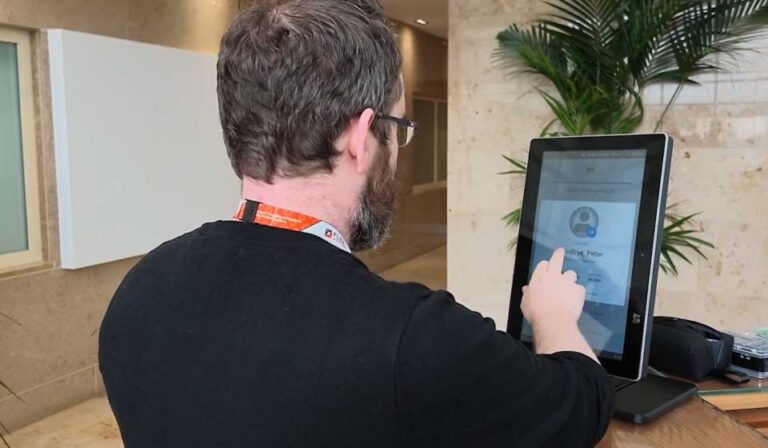
FlexManager’s Visitor Management tools give port operators a structured record of who is on site, why they are visiting and whether they have completed the required induction before access is granted. Document Control helps teams manage controlled documents, approvals and version history, supporting better visibility of security-related documentation.
The impact:
- A structured record of visitors, contractors and site access activity
- Better visibility of induction and access requirements
- Version-controlled documentation that is easier to review
- Less reliance on manual sign-in sheets and disconnected records
Waste Reception Records for Ships and Regulators
Directive (EU) 2019/883 establishes requirements for port reception facilities and the delivery of ship-generated waste. When waste is delivered, the port reception facility operator or relevant port authority must accurately complete and issue a waste delivery receipt to the ship’s master without undue delay.
The Directive is also subject to ongoing review. The European Commission was required to evaluate the Directive and submit its results to the European Parliament and Council by 28 June 2026, making waste reception and management an active area of European maritime policy.
FlexManager’s Waste Tracking and Environmental Incidents tools help port teams capture environmental and waste-related information as activities happen, creating a more consistent operational record that can be accessed when information is needed by internal teams, customers or regulators.
The impact:
- Waste and environmental records captured at the point of activity
- Faster access to operational information
- Better visibility of waste volumes and trends over time
- Less time spent reconstructing records after an event
The wider maritime environment is also becoming increasingly data-driven. FuelEU Maritime applies to ships above 5,000 gross tonnage calling at European ports and sets progressively stricter limits on the greenhouse gas intensity of energy used onboard. For ports and maritime operators, this wider shift towards measurable environmental performance makes accurate, connected operational data increasingly valuable.
The Same Safety Responsibilities as Any Workplace, at Port Scale
Ports are not exempt from Finland’s general occupational safety requirements. The Occupational Safety and Health Act (738/2002) establishes employer responsibilities around identifying and assessing workplace risks and maintaining safe working conditions.
For port operations, these responsibilities can extend across complex environments involving cranes, forklifts, cargo-handling equipment, vehicles and other work equipment. The Act also contains specific requirements concerning the safety of machinery and work equipment. However, ports handling dangerous chemicals or hazardous materials may also be subject to additional chemical safety and dangerous goods requirements.
Finland’s Safety and Chemicals Agency (Tukes) regulates the handling and storage of dangerous chemicals, with requirements depending on the nature and scale of the operations. Large-scale storage and handling operations can require a permit from Tukes, while chemical safety requirements apply more broadly to the handling and storage of dangerous chemicals.
FlexManager brings Asset Management, Asset Inspections, Risk Assessment and Chemical Library into the same system, helping organisations connect equipment, inspections, risks and hazardous substance information instead of managing each area in isolation.
The impact:
- A connected history of inspections and equipment information
- Better visibility of asset condition and inspection activity
- Risk assessments that can be linked to operational activities
- More accessible records of hazardous substances and related information
Lone and Isolated Roles Across a 24/7 Port
Ports rarely stop. Gate staff, night-shift yard personnel, maintenance teams and patrol roles may work alone or away from colleagues for periods of time.
Section 29 of the Occupational Safety and Health Act specifically addresses lone working. Where working alone creates an evident risk or hazard to an employee’s safety or health, the employer must ensure that the risk is avoided or minimised. The employer must also provide an opportunity for necessary communication with the employee and ensure that help can be summoned when needed.
FlexManager’s Lone Worker tools give port operators a structured way to manage lone-working activity and communication arrangements, helping reduce reliance on informal check-in processes.
The impact:
- A structured approach to lone-worker communication and emergency arrangements
- Faster response when an isolated worker needs assistance
- Better visibility of lone-working activity
- Clearer accountability for scheduled check-ins and follow-up
One Unified Platform for Finland's Ports and Maritime Operations
Finland’s ports operate at the intersection of occupational safety, maritime security, environmental management, dangerous goods requirements and round-the-clock operational activity. Managing these responsibilities across separate systems can make it difficult to maintain a clear view of what is happening across the site.
FlexManager brings security, environmental, asset, risk and workforce processes into one unified platform, helping port and maritime operators connect the information they need to manage day-to-day operations more effectively. The same approach that supports port operations in Ireland can be applied to the needs of Finnish and Nordic organisations looking for a more connected way to manage operational safety and compliance.
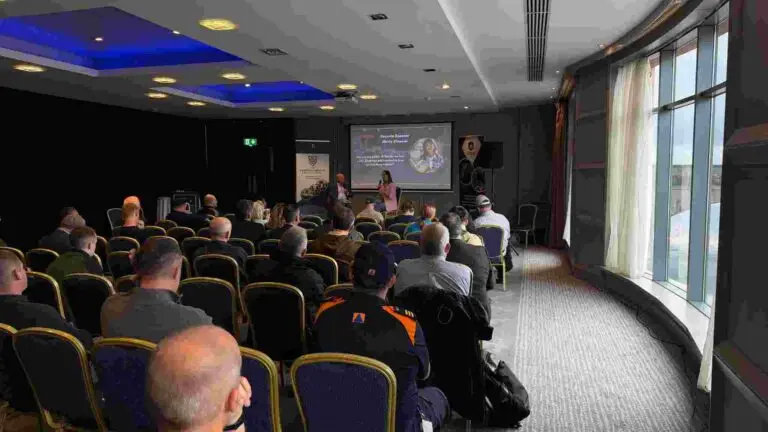
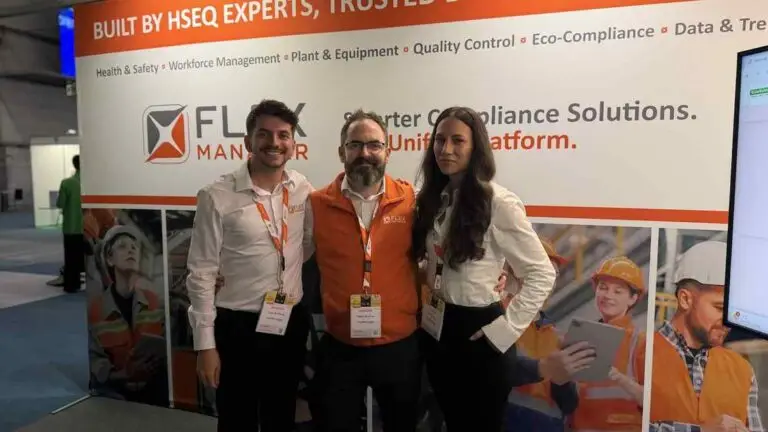
If you are attending EuroSafety 2026 in Tampere from 8 to 10 September, come and see how FlexManager supports port and maritime operators, or book a free demo today.
This article is intended for general informational purposes only and does not constitute legal advice. Organisations should consult the current Finnish legislation and qualified legal or occupational safety professionals regarding their specific obligations.