3 Port Safety Nightmares Scarier Than Ghost Ships
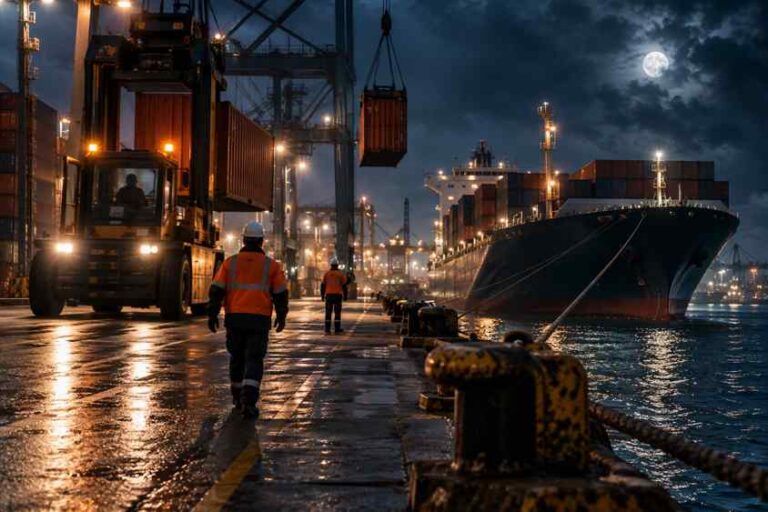
Sailors have traded ghost ship stories for centuries: drifting vessels, empty decks, no crew in sight. They make great campfire tales. But ask anyone who manages safety at a busy port and they’ll tell you the things that really keep them awake are much closer to the quay. Port safety has its own version of The Boogeyman.
After all, ports are some of the most complex workplaces anywhere. Heavy machinery, moving vessels, suspended loads, shift workers, contractors and visiting drivers all share the same space, often around the clock. Here are three port safety nightmares that should scare you more than any phantom ship.
The vehicle that came out of nowhere
Reach stackers, straddle carriers, terminal tractors, and HGVs move constantly around a port, often with limited visibility and tight turnaround targets. Add pedestrians such as lashers, checkers, visiting hauliers, and maintenance crews, and you have one of the most serious hazards on any terminal: people and vehicles in the same space.
What makes it scary is how normal it becomes. Workers get used to the near misses, drivers take the shortcut “just this once,” and segregation markings fade. How to banish it and aim for port safety that works: Make sure traffic management plans are current and enforced, not just filed. Make reporting near misses with Safety Observation Report quick and easy, from a phone on the quayside, so you can spot hotspots before someone gets hurt. Patterns in near-miss data are your early warning system.
The load that hangs overhead
Lifting operations are part of daily life at a port, and so is the risk that comes with them. Containers, project cargo and bulk grabs all mean heavy loads moving above people’s heads. Then there’s mooring: a parting mooring line can snap back with enough force to cause catastrophic injury, and the danger zone isn’t always obvious.
The horror here is usually not one dramatic port safety failure. It’s a chain of small ones: an inspection that slipped, a lifting plan that wasn’t briefed, a new starter who didn’t know where the snap-back zone was. How to banish it: Keep lifting equipment inspections, certificates, and lifting plans in one place where they’re easy to check. Set automatic reminders for Equipment Inspections that are due, and make sure everyone involved in a lift has been briefed on the plan and signs to confirm it.
The contractor nobody knew was on site
Ports depend on contractors for maintenance, dredging, electrical work, crane servicing, and more. Every one of them brings their own risks, and every one needs to be inducted, permitted, and supervised. When permits live on paper, approvals happen by phone and induction records sit in someone’s inbox, it’s easy to lose track of who’s working where and on what.
That’s when hot works start near flammable cargo, or someone works on equipment that was never properly maintained. How to banish it: A digital permit-to-work with Permit Control and contractor management process gives you a live view of active permits, who holds them, and whether contractors’ inductions, insurances, and competencies are up to date before they set foot on the quay. Don’t let your safety system become a ghost ship
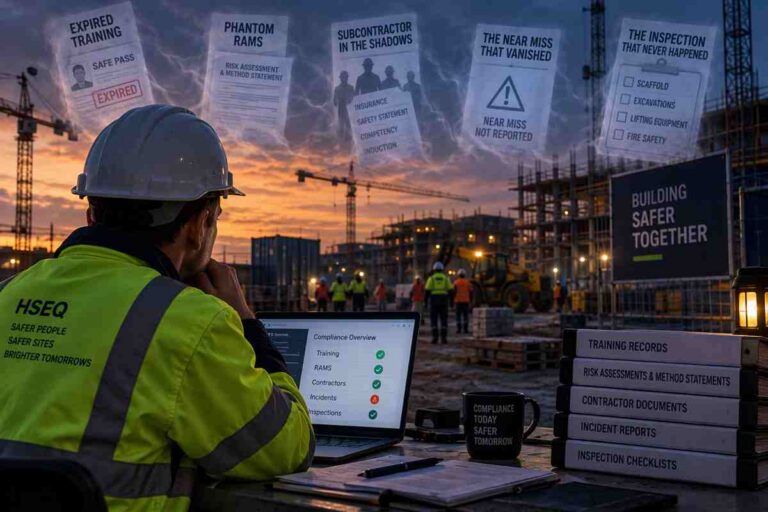
The scariest port isn’t one with a dramatic incident history. It’s one where the port safety system looks fine from a distance, but nobody’s really at the helm: paperwork drifting, actions unassigned, and data nobody looks at.
FlexManager helps ports and maritime operators bring incidents, inspections, permits, contractors, and training into one connected HSEQ platform, so you can see what’s happening across your operation and act before small issues become serious ones. Ready to take the scare out of port safety? Book a demo with FlexManager today.