
Orlando Contractor Cited for Safety Hazards that Workers Were Exposed to
A pipeline installation contractor in Florida has been cited for exposing employees to safety hazards.…
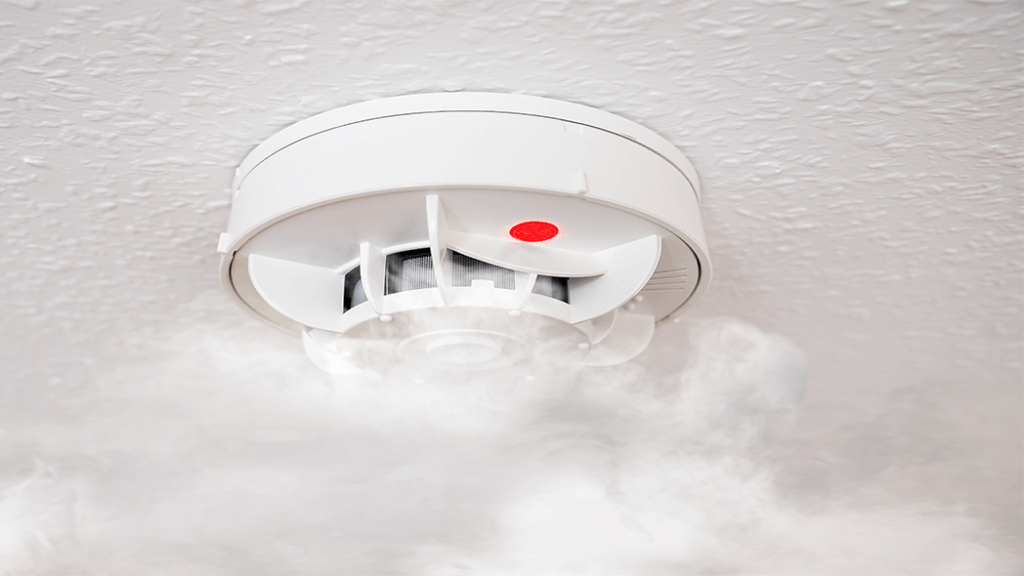
The National Directorate for Fire and Emergency Management (NDFEM) is launching a new campaign today warning of the increased risks of fire over the Christmas season. As part of this campaign, a new ad will run on TV, digital audio, display and social media over the coming months.
To accompany the campaign, the NDFEM has issued seven tips to keep you fire safe over the holidays:
1. Have a working smoke alarm fitted – Have at least one smoke alarm fitted on every level of your home, ensure you can hear them from your bedrooms, test them weekly and never borrow batteries from your smoke alarms. In under three minutes you could die from smoke inhalation and the sound of a smoke alarm is the sound that could save your life!
2. Be safe when decorating for Christmas – Keep Christmas trees, cards and decorations away from heaters and open fires. For artificial trees, make sure your tree is fire retardant. For real trees, keep them well watered during the whole of the holiday season – dried out Christmas trees can catch fire easily. Make sure your Christmas lights have the CE mark are in good condition – if in doubt, replace them. Unplug them at bedtime.
3. Drink sensibly – Fire research shows that many fire fatalities in homes are among people who have consumed alcohol. Cigarettes, chip pans, grills and candles become potentially lethal if used while under the influence of alcohol.
4. Stay vigilant if using a stove or open fire – Chimney fires remain the top cause of fire in Ireland. A loud roaring noise from your fireplace would indicate that your chimney is on fire. While an open fire can give a festive feel, remember to get your chimney cleaned, keep a fire guard on and be cautious of anything that may fall from the fireplace.
5. Be mindful to plug out this holiday season – During the festive period, more equipment will be plugged in and electrical fires continue to be a big danger. Never overload sockets and always ensure all electrical equipment is in good working order especially if not used since last year. If Santa brings new e-scooters or e-bikes, charge them in a safe place and never overnight.
6. Extinguish cigarettes and ash – The biggest cause of fire fatality over the last number of years in Ireland has been smoking, due to leaving lit cigarettes unattended. One in five fire fatalities in Ireland in 2023 were from smoking materials. Do not smoke in bed and ensure cigarettes or cigars are fully extinguished. Dampen ashtrays with water before retiring for the night.
7. Get out and Call 999 or 112 – If a fire starts in your home, get out and get the fire brigade. Have an escape plan in place with your household for what to do if your smoke alarm sounds.
Source: FireIreland

A pipeline installation contractor in Florida has been cited for exposing employees to safety hazards.…
A car maker in China has had to recall some 183,000 cars following the discovery…

A data centre in New Jersey has received a $1 million fine for environmental violations.…

An impromptu inspection in April of this year by HIQA at an Irish hospital found…

A worker in England was significantly injured after a one-tonne crate fell on him from…
A data centre in Virginia has received a $2.5 million penalty for going above emissions…

In the UK, a near miss involving a passenger train and a telehandler took place…

In Hong Kong, the 19th construction accident leading to a death occurred on Friday, September…

A company in Minnesota has received an almost $19,000 fine for violations regarding air permit…

A panel has found that a Japanese motor manufacturer had some 844 misconduct cases linked…

In Hungary, Prime Minister, Peter Magyar, announced that large manufacturers that are found to have…

The Health and Safety Authority (HSA) this week launched a new campaign in collaboration with…
Fill out the form below and one of our FlexPerts will contact you.