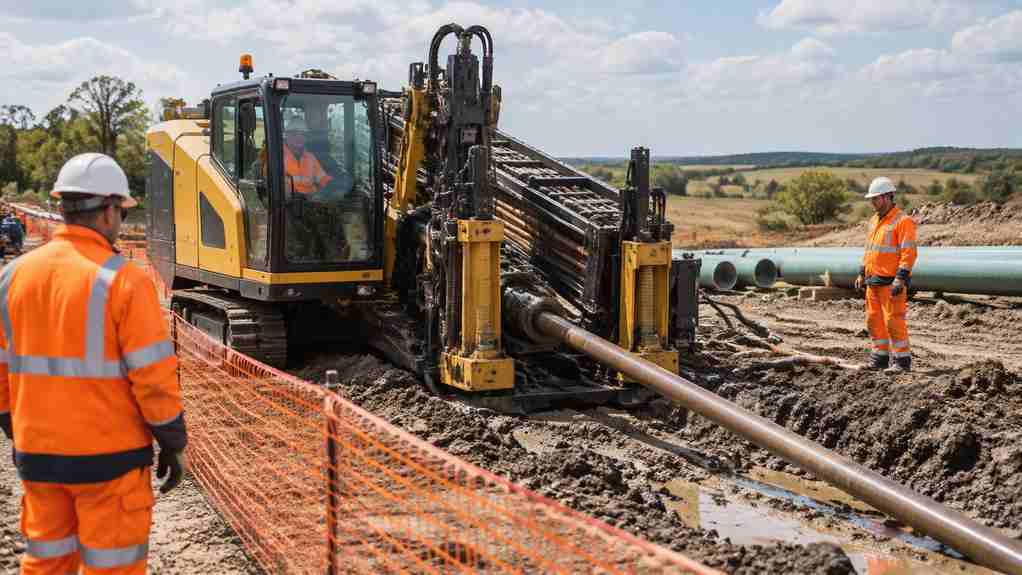


Traffic Management Compliance: Lessons From a €1.2m Ireland Fine
Traffic management compliance failures led to a €1.2m fine for an Irish roadworks contractor. See how digital RAMS reduce public road risk.

Safety management is often seen as a regulatory necessity. Something that keeps organisations compliant and avoids penalties. But in reality, poor safety management goes far beyond compliance issues. It creates hidden costs that impact productivity, performance, and people.
For HSEQ and operations leaders, recognising these hidden costs is key. It not only highlights the risks of inaction, but also the value of taking a more proactive and structured approach to safety.
The most visible costs of poor safety management are incidents, fines, and insurance claims. However, the indirect impact is often far greater and more damaging over time.
Common hidden costs include:
When safety processes are inconsistent or reactive, organisations spend more time responding to issues than preventing them. This creates a cycle of disruption that affects overall performance.
Poor safety management can also damage how an organisation is perceived both internally and externally.
From a reputational perspective, incidents can lead to:
Internally, the impact on employees is just as significant:
A weak safety culture often results in a reactive environment where issues are addressed only after something goes wrong. In contrast, organisations with strong safety practices build trust, accountability, and long-term resilience.
While the costs of poor safety management are substantial, organisations that take a proactive approach can unlock real benefits.
Key improvements often include:
This is where structured approaches, supported by tools such as audit tracking, incident management, and task accountability, can make a measurable difference. By improving oversight and standardising processes, organisations can move from reactive responses to proactive risk prevention.
Poor safety management is not just a compliance issue. It is a business risk that affects finances, operations, reputation, and people.
Solutions like FlexManager can support this journey by helping organisations manage audits, incidents, and safety observations more effectively, while improving overall visibility and control.
To learn more, reach out to the FlexManager team and book a free demo today.
Traffic management compliance failures led to a €1.2m fine for an Irish roadworks contractor. See how digital RAMS reduce public road risk.
Women in construction safety take the spotlight as an Irish health and safety officer is crowned Miss Galaxy International. See how FlexManager supports diverse safety teams.
A fatal Saskatoon incident puts mobile plant safety back in focus. See how digital risk assessments protect workers around moving equipment.
Work at height compliance gaps led to a £20,000 fine after a UK roof fall. See how digital RAMS and inspections prevent repeat failures.
Two UK port forklift fines expose the same workplace transport compliance gap. See how FlexManager keeps traffic and pedestrian plans live, not filed away.
In high-pressure environments, contractor management often becomes a race against time. Projects must stay on schedule, downtime needs to be minimised, and contractors are expected to get to work quickly. But when speed overrides process, safety and compliance risks increase significantly.
Chemical safety compliance failures led to a $794,000 OSHA fine and two deaths at a US mill. See how FlexManager closes training gaps.
In many industries, patterns in safety incidents are rarely random. One trend that consistently emerges in HSEQ reporting is a spike in incidents toward the end of a shift. For safety and operations professionals, understanding why this happens is critical to improving compliance, reducing risk, and protecting both people and assets.
Quality assurance compliance gaps let faulty imported steel collapse part of an Australian public building. See how FlexManager helps.
Contractors and subcontractors play a vital role in modern operations. From maintenance and construction to specialist services, organisations rely on external expertise to keep things running. However, with that reliance comes increased risk, particularly when contractor compliance is not properly managed.
Machinery safety compliance failures cost an Irish manufacturer €400,000 after a fatal design flaw. See how FlexManager strengthens QA.
Demolition safety compliance failed when a UK site skipped its method statement. See how FlexManager's RAMS and permits close this gap.
DOC-DM-OB-4
Fill out the form below and one of our FlexPerts will contact you.