
What Good Looks Like: Asset Management with FlexManager

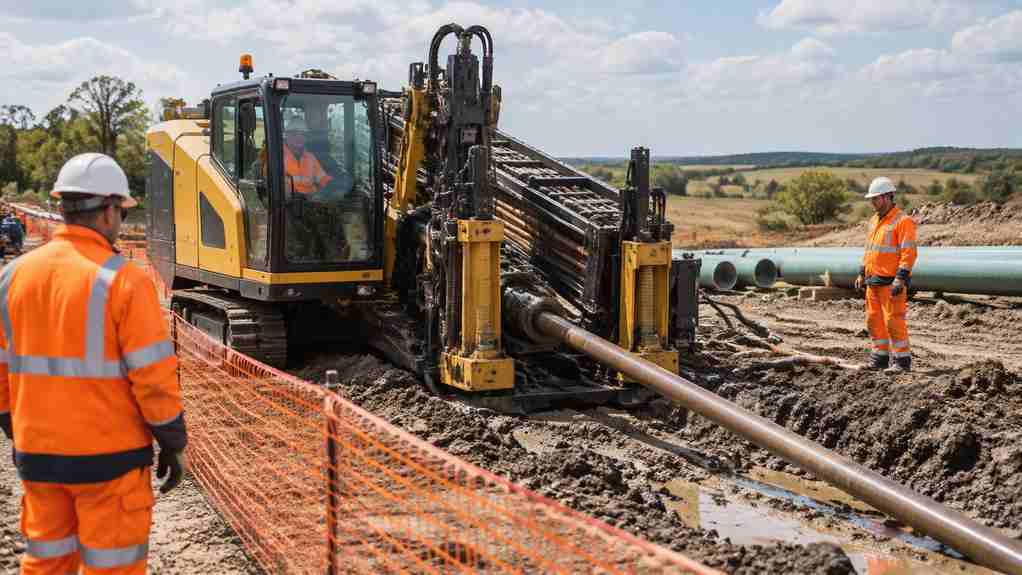
Good asset management captured in FlexManager for longevity of plant and equipment.

Asset management often runs in the background, until something fails. A missed inspection leads to a safety risk. Equipment breaks down unexpectedly. An audit reveals gaps in maintenance records. What should be a controlled process quickly becomes a problem for operations, safety, and compliance.

Many organisations still rely on spreadsheets or disconnected systems to manage assets. That can work for a time, but as sites expand and compliance demands increase, visibility drops. Information becomes harder to trust, and teams spend more time chasing updates than managing risk.

So, what does “good” actually look like when it comes to asset management? And how can an organisation get there?

What Does Good Asset Management Look Like?

Effective asset management is built on clarity, control, and confidence. You should be able to answer key questions quickly and accurately:

    • What assets do we have?
    • Where are they located?
    • What condition are they in?
    • When were they last inspected or maintained?
    • Who is responsible for them?

When this information is easy to access, teams can make informed decisions, reduce downtime, and stay compliant.

In practice, this means:

    • Real-time visibility across all assets and locations
    • Accurate, up-to-date records in one place
    • Clear ownership and accountability
    • Scheduled maintenance and inspections
    • Audit-ready information when required

From Reactive to Proactive Management

Improving asset management starts with a shift in approach. Small changes can make a big difference.

A few practical steps:

    • Centralise your data: Bring all asset information into a single system
    • Track the full asset lifecycle: Include maintenance, inspections, and performance history
    • Plan ahead: Schedule maintenance and inspections to avoid missed tasks
    • Standardise processes across sites: Consistency improves reliability and reporting
    • Keep it simple for users: If the system is hard to use, it will not be used properly

How FlexManager Supports Better Asset Management

FlexManager is designed to give teams a clear and connected view of their assets without adding complexity.

With FlexManager, you can:

    1. Maintain a centralised asset register across all locations
    2. Schedule and track maintenance activities
    3. Complete inspections digitally with consistent records
    4. Assign responsibility for each asset
    5. Generate reports quickly for audits or internal reviews

By linking asset data with maintenance, inspections, and operational workflows, FlexManager helps teams stay in control and reduce risk.

Good asset management is about more than tracking equipment. It is about ensuring assets are safe, compliant, and ready to perform when needed.

To find out first-hand how FlexManager can demonstrate what good looks like with respect to Asset Management, book a free demo with one of our Flexperts, today. 

Authored by Gearoid Noone

LinkedIn
Email
Facebook

Topics you may have missed

DOC-DM-OB-4