Expoprotection 2026: Five Themes Sure to Grab Attention
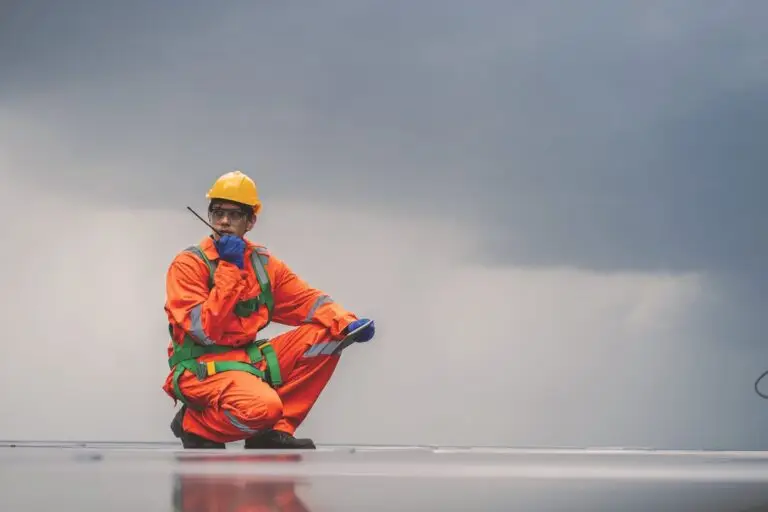
For the first time, Expoprotection is giving prevention professionals an event of their own. The Hub des Préventeurs runs alongside the main exhibition from November 3rd to 5th at Paris Porte de Versailles, and it’s described as “the new event created by and for prevention professionals.”
With more than 50 conferences, workshops, demonstrations, and coaching sessions on occupational health & safety (OHS) and quality of working life (QWL), it’s a clear sign of how much the prevention role has grown. At FlexManager, we work with HSEQ teams every day, so we’ve taken a closer look at what’s on the agenda and why it matters.
If you’re heading to Paris from November 3rd to 5th, the Hub looks like a great place to start. And if you want to see how FlexManager brings prevention data together in one place, explore our Solution Explorer.
#1 The changing role of the prevention professional
Prevention professionals are no longer just the people who carry out inspections and file reports. The industry has progressed beyond a see-and-file approach; more and more, workers are being encouraged, and are taking the initiative, to step beyond the traditional boundaries of their roles. They’re expected to advise leadership, shape strategy, and show the value of their work. In our Expoprotection trends post, we noted one session on moving from a “one-man band” to an “influence strategist.” That shift depends on having clear, reliable data. It’s hard to influence a board decision with a spreadsheet that’s three weeks out of date.
#2 Mental health, psychosocial risks, and MSDs
Physical hazards are easier to spot than stress, fatigue, or repetitive strain. Yet psychosocial risks and musculoskeletal disorders (MSDs) are among the themes the Hub at Expoprotection will cover in depth. These risks often build slowly, so they show up first in small signals: near-miss reports, absence patterns, and worker feedback. Capturing those signals consistently is the first step to acting on them. We’ve covered this in more detail in our post on mental health and workplace safety.
#3 Safety culture and leadership
A strong safety culture means people report hazards because they want to, not because they’re told to. That only happens when reporting is simple and leaders visibly act on what’s raised. Making reporting easy at the point of work is a big part of this. It’s why we offer modules like Incident Reporting and Safety Observation Report, so that everyone has the ability to easily log when something goes wrong or they notice something that needs fixing/addressing.
#4 Multi-employer worksites and subcontracting
When several employers share a site, responsibility can blur. Who checked the subcontractor’s training? Whose permit covers the hot works? The Hub’s sessions at Expoprotection on multi-employer worksites and operational risk management should tackle exactly these questions. The answer usually comes down to a single source of truth. When contractor records, permits, and inductions all sit in one place, gaps are much easier to spot before work begins.
#5 Measuring the impact of prevention
Prevention has always had a measurement problem: how do you prove the value of an incident that never happened? The Hub at Expoprotection will look at measuring the impact and performance of prevention initiatives. Leading indicators help here. Inspections completed, actions closed on time, and training kept up to date all show prevention working before an incident ever happens.
FlexManager is interested to discover more about how Expoprotection develops, and the 2026 edition promises to be full of fantastic takeaways from a risk prevention perspective. Plus, if you’d like to discover more about FlexManager, you can book a demo here.