EuroSafety 2026: 4 Ways to Strengthen Occupational Health & Safety Management in Finland

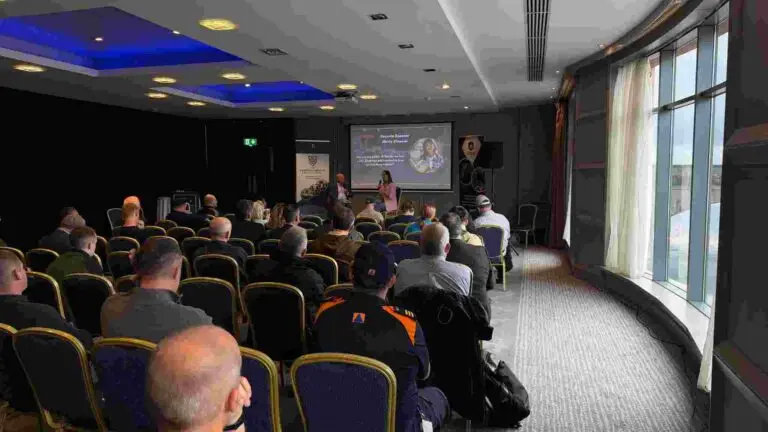
At EuroSafety 2026 in Tampere, one theme is likely to run through many conversations on the show floor: safety teams are ready to move on from paper forms, shared drives and disconnected spreadsheets, and towards systems that keep pace with the way modern occupational safety is managed.
That shift matters in Finland specifically. The Occupational Safety and Health Act (738/2002) places ongoing responsibilities on employers to identify and assess workplace hazards, cooperate with employees, provide appropriate instruction and guidance, and keep safety measures up to date.
Here are four ways FlexManager helps Finnish and Nordic employers turn those responsibilities into everyday operational management, rather than a scramble before an audit.
From Paper Risk Assessments to Connected Systems
Section 10 of the Occupational Safety and Health Act requires employers to systematically identify workplace hazards and assess their significance to employee safety and health. The assessment must be reviewed when circumstances substantially change and otherwise kept up to date. In practice, that means a risk assessment cannot simply be completed once and filed away. It needs to remain relevant as workplaces, tasks, equipment and working conditions evolve.
FlexManager’s Risk Assessment and RAMS tools help teams build, update and manage assessments digitally, with information available to the people carrying out the work as well as those responsible for managing safety.
The impact:
- Risk assessments that stay current instead of becoming outdated
- Clear version history and visibility of changes
- Faster updates when site conditions, tasks or working methods change
- Better access to safety information across teams and locations
Incident Reporting Employers Can Stand Behind
Finnish occupational safety and accident legislation places specific reporting obligations on employers. When a workplace accident causes death or serious injury, the employer must notify the police and the occupational safety and health authority without delay. Employers must also notify their insurance institution of workplace accidents and occupational diseases without delay, and no later than ten working days after becoming aware of the incident.
Effective incident management also means having processes in place to record, investigate and learn from workplace incidents, helping organisations identify recurring risks and prevent similar events in the future.
FlexManager’s Incident Reporting module capture incident details, timelines and follow-up actions in one place, helping teams respond quickly and maintain a consistent record of what happened and what was done afterwards.
The impact:
- A clear, time-stamped record from the moment an incident is reported
- Faster internal investigation and follow-up
- Better visibility of corrective and preventive actions
- A consistent process across sites, teams and locations
Cooperation and Training as an Ongoing Duty, Not a One-Off
The Finnish occupational safety framework places significant emphasis on cooperation between employers and employees. Section 17 of the Occupational Safety and Health Act establishes cooperation on occupational safety and health matters.
Separately, Finnish legislation requires an occupational safety and health committee at workplaces where at least 20 employees work regularly. Employers must also provide employees with appropriate instruction and guidance, including information about workplace hazards and safe working practices, with additional instruction where work, conditions, equipment or procedures require it.
FlexManager brings Training Manager, Toolbox Talks and orientation records into the same platform as risk assessments and incidents. This helps make training, communication and employee engagement part of the wider safety management process rather than a separate administrative exercise.
The impact:
- Clear evidence of training, orientation and safety communications
- Easier coordination of safety activities across sites
- Better visibility of who received which information and when
- A more consistent approach to employee safety engagement
Multilingual Access for Nordic and International Workforces
Finnish construction, manufacturing and logistics sites increasingly operate with international and multilingual workforces. For these teams, simply providing safety information is not enough if employees cannot effectively understand it.
Clear communication is an important part of making safety procedures work in practice. When workers can access safety information in a language they understand, organisations can make critical instructions, toolbox talks and workplace information more accessible to the people carrying out the work.
FlexManager’s integration with translation APIs allows the platform to support multiple languages, helping teams make toolbox talks, orientations and safety documentation more accessible across diverse workforces.
The impact:
- Safety information that is easier for workers to understand and apply
- Faster onboarding for contractors, seasonal and agency workers
- More consistent communication across multilingual teams
- Fewer gaps caused by language barriers
One Unified Platform Supporting Finland's Safety Requirements
Finland’s occupational safety framework requires employers to identify and assess risks, cooperate with employees, provide appropriate instruction and guidance, and fulfil specific reporting obligations when incidents occur. Managing these responsibilities across paper forms, spreadsheets, shared drives and disconnected systems can make it difficult to maintain visibility and consistency.
FlexManager brings these processes together, helping organisations connect operational management across Health & Safety, Workforce, Quality, Plant & Equipment and Environmental Compliance. The result is a more connected approach to managing safety information, people, assets and operational activity, with the visibility needed to support better day-to-day decision-making.
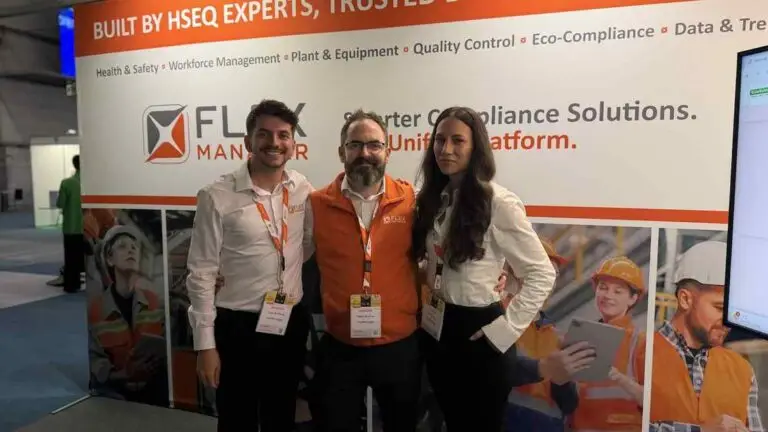
If you are attending EuroSafety 2026 in Tampere from 8 to 10 September, come and see how FlexManager can support Finnish and Nordic safety teams. Book a free demo and discover how FlexManager can help bring your safety processes together in one connected platform.
This article is intended for general informational purposes only and does not constitute legal advice. Organisations should consult the current Finnish legislation and qualified legal or occupational safety professionals regarding their specific obligations.