

Why Do Incidents Happen at the End of a Shift?

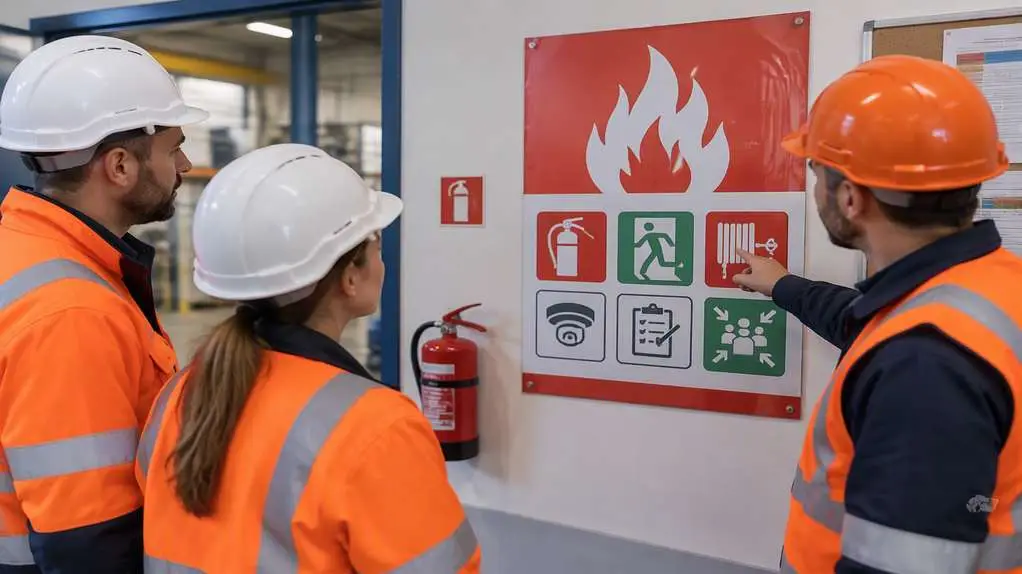
In many industries, patterns in safety incidents are rarely random. One trend that consistently emerges in HSEQ reporting is a spike in incidents toward the end of a shift. For safety and operations professionals, understanding why this happens is critical to improving compliance, reducing risk, and protecting both people and assets.

End-of-shift incidents are not just a coincidence. They are often the result of predictable human, operational, and organisational factors. The good news is that with the right processes and digital tools in place, these risks can be significantly reduced.

The End-of-Shift Risk: What’s Really Happening?

As a shift progresses, several factors begin to converge:

    • Fatigue and reduced concentration: Studies from organisations like the Health and Safety Executive (HSE) show that fatigue impairs decision-making and reaction times, increasing error likelihood.
    • Time pressure: Workers may rush to complete tasks before handover or clock-out.
    • Reduced supervision: Managers may be less present or focused on administrative wrap-up tasks.
    • Complacency: Familiar tasks can lead to shortcuts or skipped safety steps.
    • Poor communication during handover:  Critical information may be missed between outgoing and incoming teams.

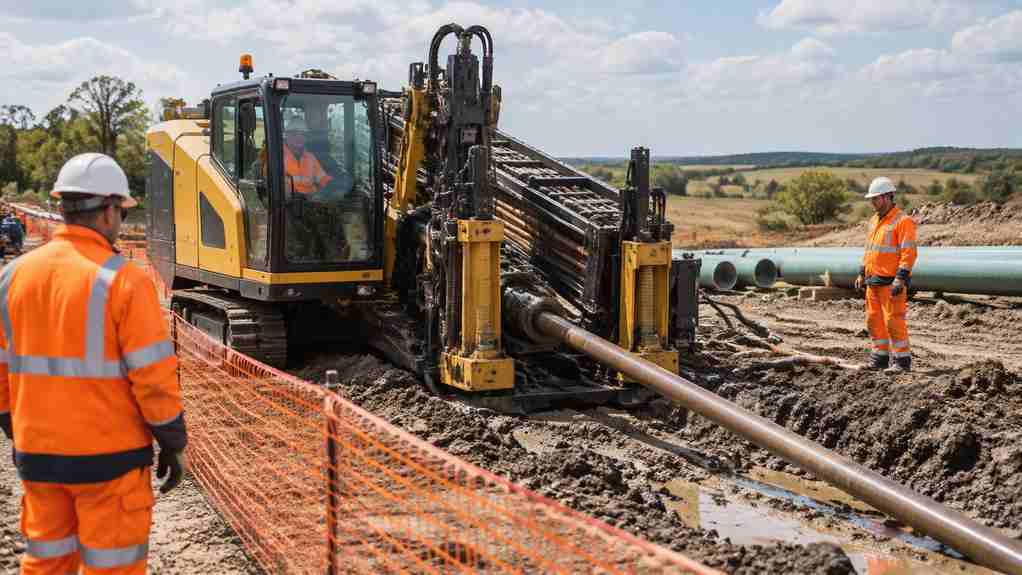
These risks are particularly prominent in sectors like manufacturing, construction, facilities management, and utilities, where physical tasks and operational continuity are key.

Common Scenarios Where Incidents Occur

Understanding the “when” and “how” helps pinpoint solutions. Common end-of-shift scenarios include:

    • Incomplete or rushed maintenance tasks
    • Improper equipment shutdown procedures
    • Missed safety checks or inspections
    • Poorly documented handovers
    • Contractors finishing work without proper sign-off

For example, a technician rushing to complete a job may skip a final inspection step. This can lead to equipment failure on the next shift.

How FlexManager Helps Address These Challenges

Task Manager Module
    • Assign, track, and verify tasks in real time
    • Ensure end-of-shift activities are completed and signed off
    • Reduce reliance on memory or manual logs
Audits and Inspections Module
    • Digitise checklists for shutdown procedures and safety checks
    • Capture evidence such as photos and timestamps for compliance
    • Identify recurring risks through trend analysis
Contractor Management
    • Ensure contractors complete tasks properly before leaving site
    • Enforce sign-off and compliance verification
Incident Reporting
    • Analyse incident timing and patterns
    • Identify root causes linked to fatigue, timing, or process gaps

Incidents at the end of a shift are not inevitable. They are manageable. By understanding the root causes and implementing structured, technology-supported processes, organisations can significantly reduce risk.

If you’re looking to strengthen your approach, explore how FlexManager’s Task, Audit, and Incident Management modules can help you improve visibility, accountability, and compliance across every shift.

Want to see how it works in practice? Get in touch with our team or book a free demo to start building safer, smarter operations today.

Authored by Gearoid Noone

LinkedIn
Email
Facebook

Topics you may have missed

DOC-DM-OB-4