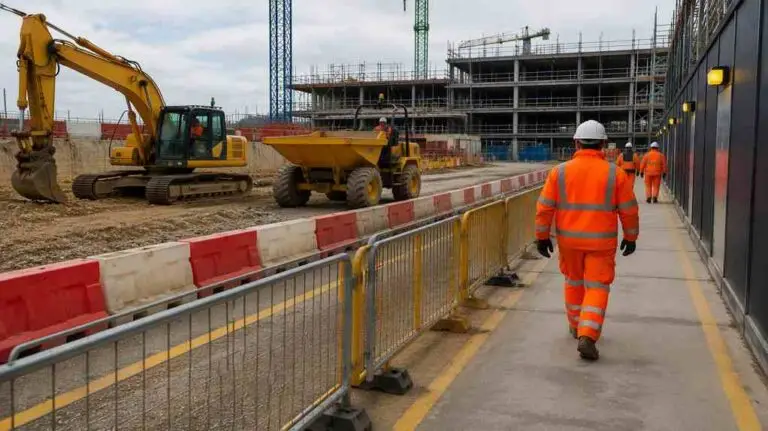


3 Themes We Expect to See at Lean Construction Ireland 2026
FlexManager is delighted to be exhibiting at the Lean Construction Ireland 2026 Annual Conference. As we prepare to attend this fantastic event, let’s examine a number of important themes we expect to hear all about at the Lean Construction Ireland 2026 Annual Conference.

World Mental Health Day: 3 Workplace Safety Points to Consider
It’s World Mental Health Day on October 10th, and that means an important chance to pause, consider what this topic means to us all, and think about how we can all do our bit to lessen the mental health load of ourselves and those around us.
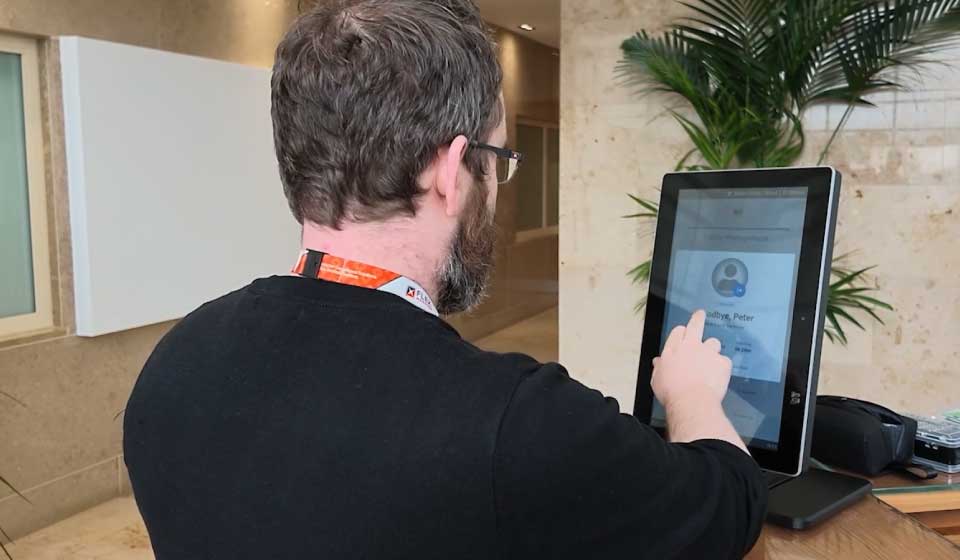
New FlexManager Kiosks Bring Compliance to the Point of Work
FlexManager Kiosks bring compliance to the point of work. Record attendance, visitor check-ins, inductions and training on site within one unified platform.

NISO 2026: 3 Health and Safety Trends We Expect to Hear About
The National Irish Safety Organisation (NISO) are hosting their Annual Conference 2026 very soon. So, without further ado, let’s dive in and explore some of the key trends we expect could dominate the NISO Annual Conference.

NISO 2026: 5 Questions for Choosing a Health & Safety Compliance Management System
Plenty of organisations make the jump from physical files and siloed information to digital transformation in a snap, only to end up with a system nobody actually uses, or one that solves one problem while creating countless others. So, with NISO 2026 in mind, and before you get as far as comparing platforms, it's worth sitting down and thinking through these five, crucial questions.

NISO 2026: Digital Safety Management System, Beyond the Buzzword
When NISO announced that this year's Annual Conference theme would be "Health and Safety in the Digital Age 2.0," it probably wasn't a surprise to anyone in the room. Every safety officer, EHS manager, and compliance lead has heard some version of this phrase for years now. But, when you dig deeper and take a long, hard look: what does it actually mean in practice, beyond the buzzword?
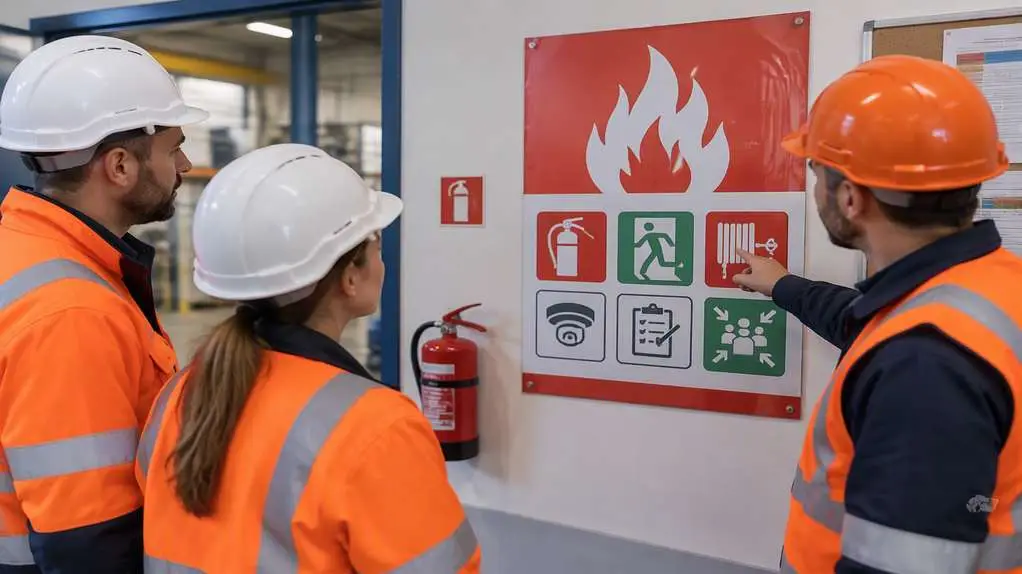
Workplace Fire Safety Takes Centre Stage This October
All this October, our attention will be pulled toward fire safety. The month will see two particularly important fire safety-related campaigns taking place, including Fire Prevention Week in the United States, and Fire Safety Week in Ireland. With so much emphasis on this particular hazard, it’s hoped that these campaigns will increase awareness and help reduce risk across the board. So, let’s break down what the themes are and what takeaways we can expect to be delivered.
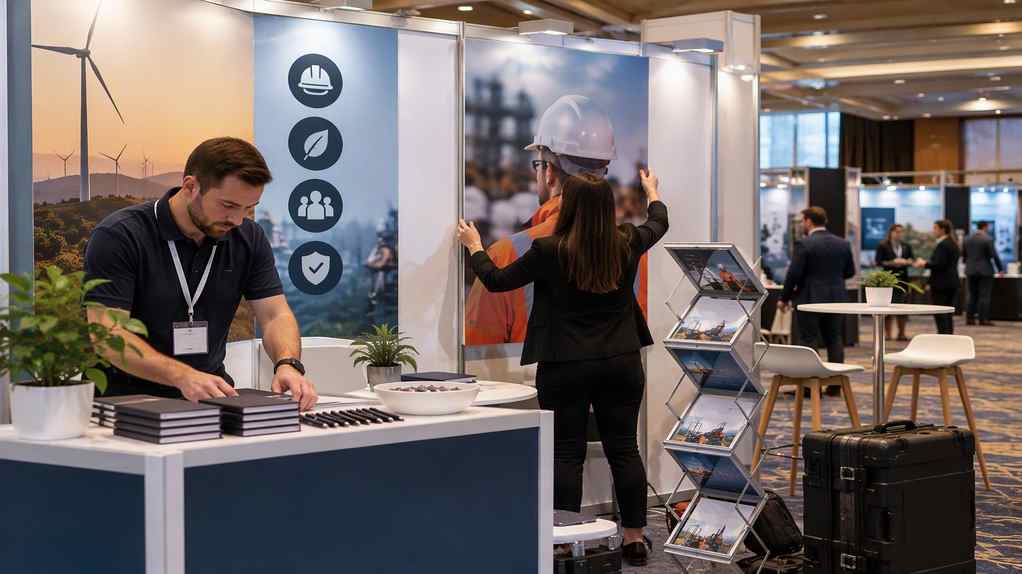
NISO 2026: FlexManager Are Ready to Attend
It’s almost time for the 62nd NISO Annual Health and Safety Conference and Trade Exhibition. FlexManager are excited to be attending this prestigious event once again, where we’ll meet so many of the trailblazers and pioneers from the health & safety industry.
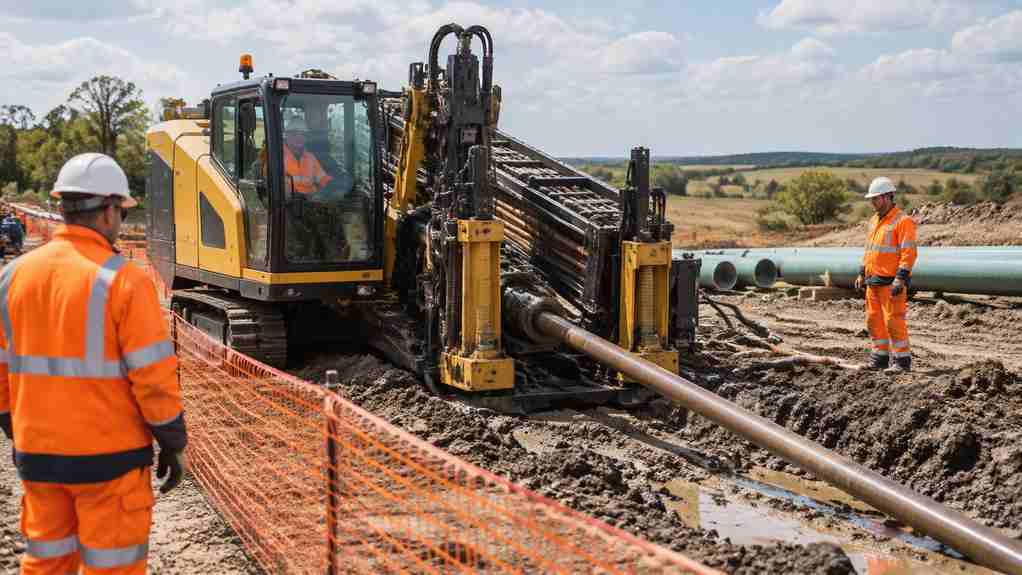
Orlando Contractor Cited for Safety Hazards that Workers Were Exposed to
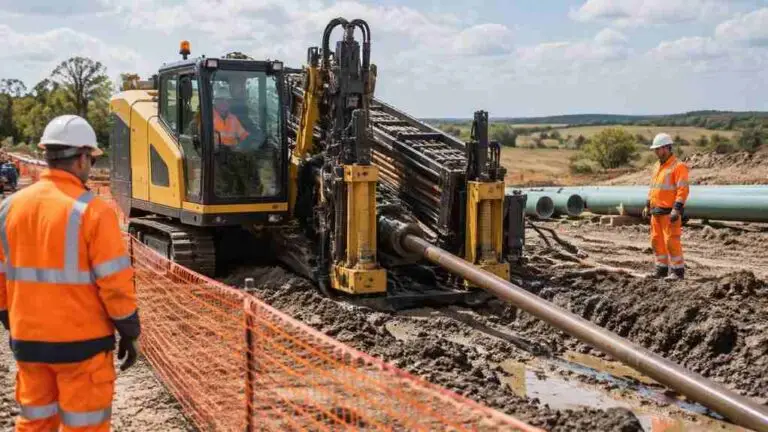
A pipeline installation contractor in Florida has been cited for exposing employees to safety hazards. The action comes following a fatal incident at a worksite that took a worker’s life.
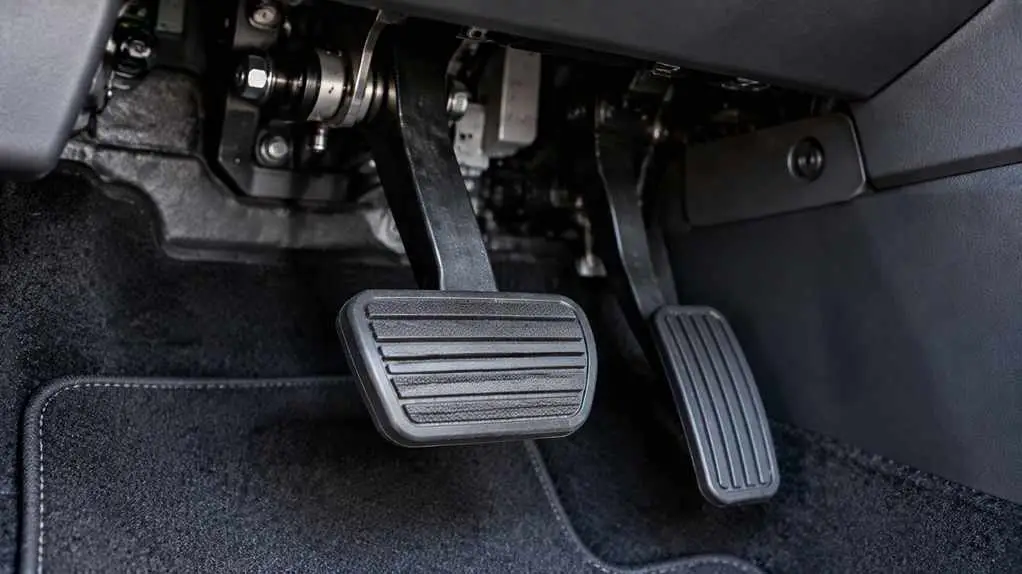
Automaker Recalls Almost 200,000 Cars Over Defect
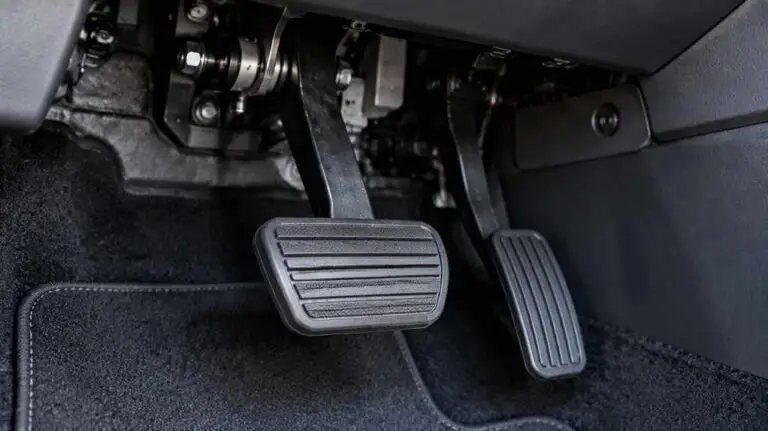
A car maker in China has had to recall some 183,000 cars following the discovery of a defect in the cars’ brake pedal. The issue relates to potentially causing the vehicles’ brake lights staying lit up even when the brakes are not actively being used.

Environmental Permit Compliance Matters: $1M Fine Shows Why
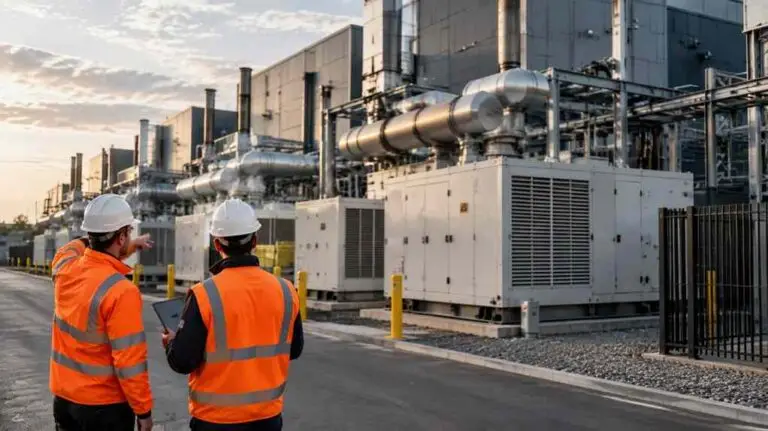
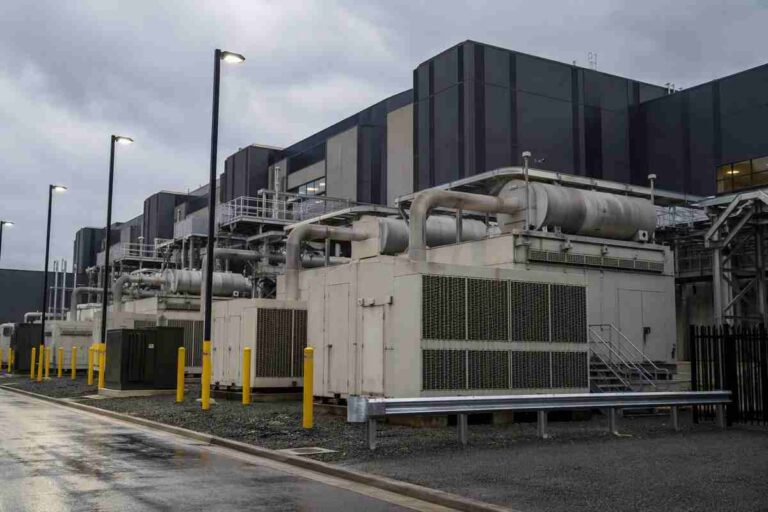
A data centre in New Jersey has received a $1 million fine for environmental violations. The penalty was given by the New Jersey Department of Environmental Protection (DEP).

Construction Management Software: Three Reasons to Choose FlexManager
One of the biggest industries that uses our platform is construction. So, in this blog, we’re going to breakdown three key reasons why you need FlexManager if you’re in the construction industry.