
FlexManager Heads to EuroSafety 2026 in Finland
Discover how FlexManager’s smarter Health & Safety compliance solutions can help organisations simplify risk management and stay audit-ready at EuroSafety 2026.
This post is linked to another news post which discussed deputy ministers across Canada meeting to discuss Safety Harmonization. This can be found here.
Federal, provincial, and territorial deputy ministers met behind closed doors last week to discuss the ongoing effort to harmonize occupational health and safety (OHS) requirements across Canada. The meeting, held on October 22, brought together senior officials from across the country to review progress and set the stage for future collaboration.
In a statement provided to Canadian Occupational Safety, Employment and Social Development Canada (ESDC) described the meeting as “productive,” noting that it covered “various labour topics, such as harmonization of occupational health and safety requirements.” The department added, “This operational meeting aimed to take stock of the progress made across jurisdictions, to discuss priorities and topics of mutual interest, and to advance cooperatively. This groundwork will help identify shared priorities to be discussed at the next FPT Ministers meeting, which will take place in the spring of 2026.”
While the government’s statement emphasized cooperation and incremental progress, industry stakeholders continue to express concern about the pace and focus of the harmonization process. Kevin Brown, CEO of Cobalt Safety Consulting, said in an interview that meaningful harmonization must begin with regulatory alignment, not training standards.
“You can’t harmonize training standards until you harmonize the regulatory law underneath it,” Brown said. “You just can’t build a bridge on shaky foundations, and I think that’s what we’re trying to do. The bridge for Canada and Canadian workers is great, but if we don’t get the foundation right for the employers and for the workers in clear understanding, I think we’re all going to struggle with the outcomes.”
Brown, who has provided recommendations to both federal and provincial officials, believes the real challenge lies in aligning existing laws rather than creating new ones. “That’s what we got to get to—that standard at a regulatory level. It’s a bigger lift. It’s also the harder one. But hard is what we need to be doing when it comes to getting the systems aligned,” he said.
The complexity of Canada’s regulatory landscape is a recurring theme among safety professionals. Dave Turner, president of Health and Safety Professionals of Canada, questioned the government’s focus on certification as the first step. “I’m not sure where they got the idea that certification was the first step. We told them that there is a National Fire Code and Building Code so we need something similar when it comes to OHS Regulations. Provinces’ regulations are similar in some instances but not in every situation,” Turner commented on LinkedIn.
Wayne Pardy, an auditor and author of several HSEQ auditing books, highlighted the practical challenges faced by employers operating across multiple jurisdictions. “When I was with one of them the safety schizophrenia which resulted from seeking to meet CLC Part II requirements, in addition to the select requirements of different provinces was a cluster. . . Try developing a regulatory applicability matrix to meet those many and varied federal and provincial requirements, often conflicting with one another. Come on Canada. We can do better,” Pardy wrote.
Despite the frustrations voiced by industry experts, there is consensus the current dialogue represents a necessary first step. Brown acknowledged that, while progress is slow, ongoing conversations are preferable to inaction. However, he warned the current pace may not be sufficient to achieve meaningful harmonization. “If we’re really serious about harmonizing stuff, we need to get to a National Council for Safety Harmonization.”
Looking ahead, the groundwork laid during last week’s meeting will inform the agenda for the next Federal, Provincial, and Territorial Ministers meeting in spring 2026. Stakeholders across the country will be watching closely to see whether the focus shifts from discussion to concrete action—particularly on the foundational issue of regulatory alignment.
As provinces and the federal government continue to navigate the complexities of OHS harmonization, the call from industry is clear: meaningful progress will require both urgency and a willingness to tackle the hardest issues first.
Original Article – The Safety Mag
Discover how FlexManager’s smarter Health & Safety compliance solutions can help organisations simplify risk management and stay audit-ready at EuroSafety 2026.
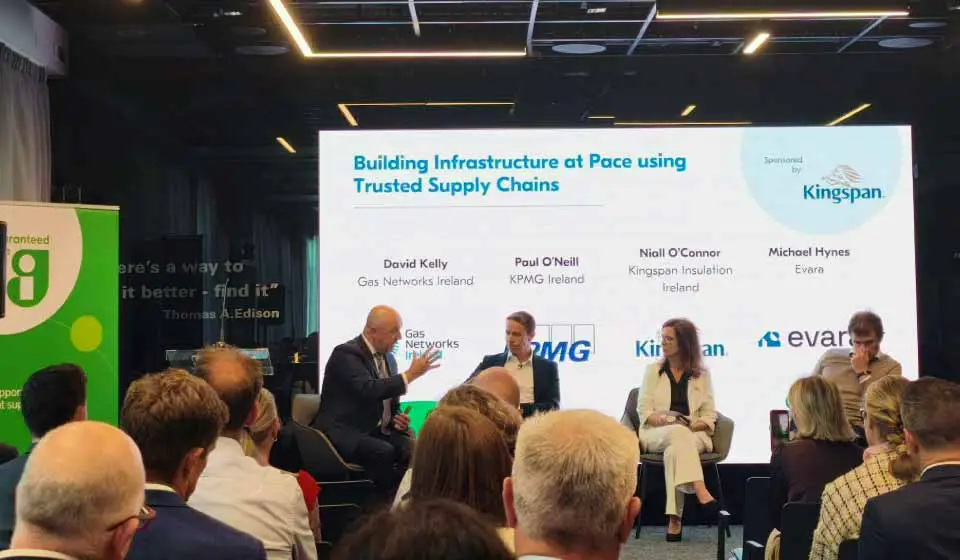
FlexManager started September by hitting the road to attend the Guaranteed Irish Construction Forum 2026, and it offered a terrific insight into the current landscape of the nation’s construction and infrastructure sectors.
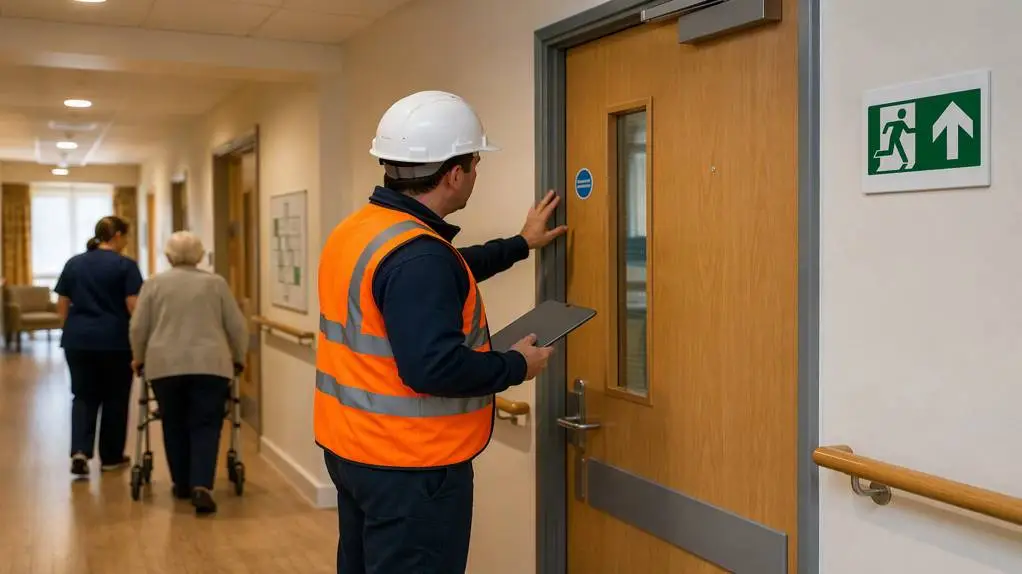
In Ireland, findings were this week released by HIQA following an inspection that was carried out in April of this year at a Care Centre in Ballinasloe. Some of the key findings related to effective fire safety implementation.
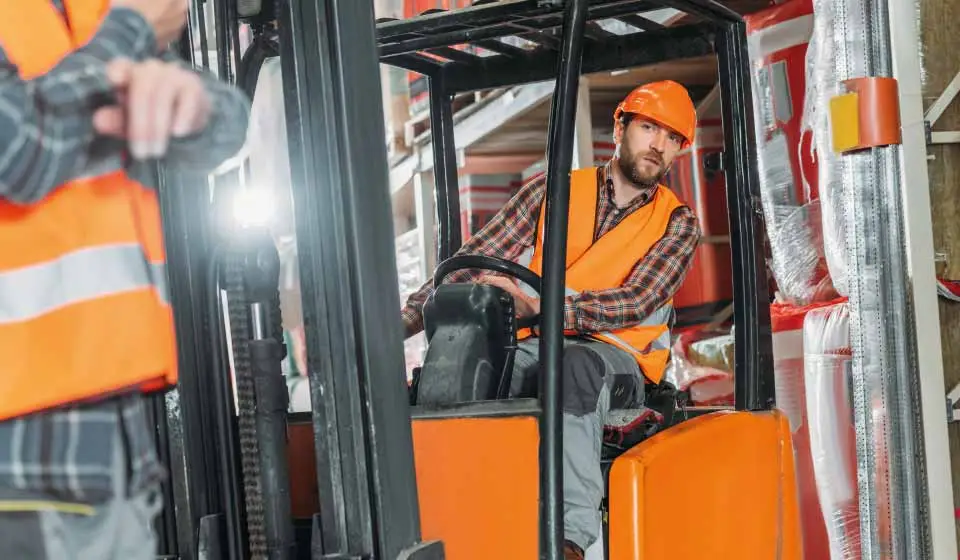
EuroSafety 2026 brings the Nordic region's safety industry to Tampere. Here is why asset and equipment compliance is becoming a bigger priority for Finnish employers under EU and national law.

In Ireland, a railway safety watchdog has highlighted the importance of workplace safety following a near miss in July that saw a couple of rail workers come close to a fatal collision with an approaching train.

EuroSafety 2026: Finland's ports sit under more overlapping regulation than almost any other worksite. Here is how FlexManager helps port and maritime operators meet EU and Finnish requirements from one platform.

A Minnesota mining operation has been ordered to pay nearly $23,000 dollars. It comes after a governing body said they had not tested if its emissions of particulate matter were inside allotted limits.
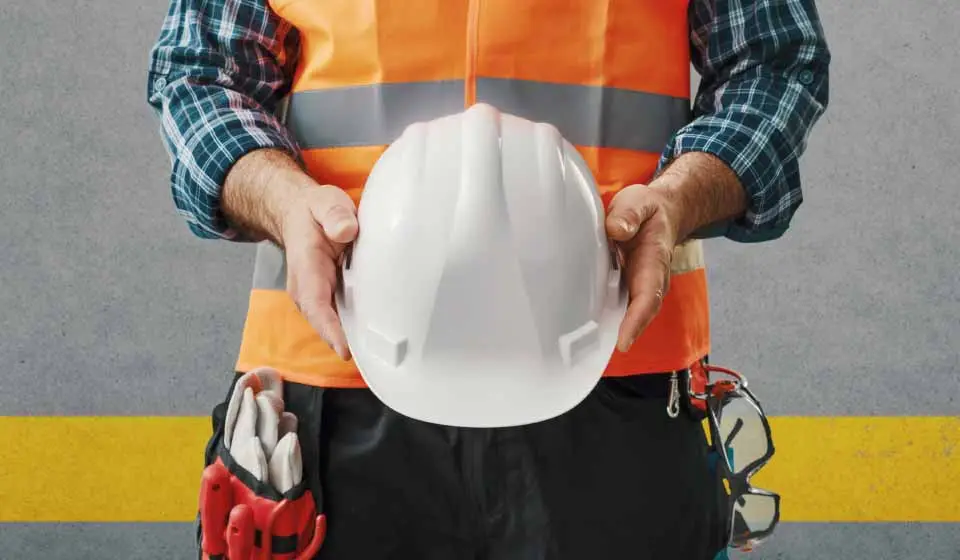
As EuroSafety 2026 explores the future of occupational safety in the Nordics, here are 3 smart tools helping Finnish employers meet their legal duties and reduce risk.

Explore how FlexManager helps Finnish organisations strengthen occupational health and safety management, risk assessment, incident reporting and training.

Companies in Québec are sure to be on high alert with the news that specific environmental fines are being increased ten times from what they previously were.

Newfoundland and Labrador's Occupational Health and Safety Division has brought charges against Cottle's Island Lumber Company Limited. The charges pertain to a number of alleged violations under the province’s Occupational Health and Safety Act.

The California Division of Occupational Safety and Health (Cal/OSHA) gave Blackbird Mountain Guides $151,300 worth of fines after it concluded that the company had made over half a dozen alleged violations, with workplace training among the alleged violations.
Fill out the form below and one of our FlexPerts will contact you.