
FlexManager Heads to EuroSafety 2026 in Finland
Discover how FlexManager’s smarter Health & Safety compliance solutions can help organisations simplify risk management and stay audit-ready at EuroSafety 2026.

A fleet coordinator isn’t just responsible for vehicles. Their responsibilities extend to knowing where assets are, who’s using them, and whether they’re fit for purpose at any given time. Their success depends on coordination, visibility, and consistency across a dynamic operation.
The management of fleet assets, drivers, and contractors across locations can often seem like an impossible and never-ending tasks for these professionals.
Unclear Asset Location & Status
Vehicles and plant move between sites, teams, or contractors, but tracking where assets relies on manual updates or informal communication.
Inconsistent Asset Assignment
Responsibility for vehicles isn’t always clear. Assets are shared, reassigned, or temporarily allocated without a reliable record of who is accountable at any given time.
Contractor & Driver Readiness
External drivers or service providers require inductions, licences, and approvals, but this information is often stored separately from fleet records, making verification slow and reactive.
Fleet Documentation Is Hard to Access
Vehicle-specific procedures, requirements, or site rules aren’t always available to the person using the asset, increasing the risk of misuse or non-compliance.
FlexManager supports fleet coordinators by connecting assets, locations, and people in one coherent system without overcomplicating workflows.
Maintain a central register of vehicles and fleet assets, capturing key details, condition history, and usage context. This gives coordinators confidence in what assets exist and how they’re being used.
Assign vehicles to individuals, teams, or contractors, creating clear accountability. When assets move, their assignment history moves alongside them.
Link assets to operational sites or locations. Understand where vehicles are deployed and apply site-specific requirements, helping coordinators manage multi-site fleets more effectively.
Contractor Management & Pre-Qualification
Ensure external drivers or service providers are inducted, approved, and authorised before accessing fleet assets. This reduces onboarding friction and compliance risk.
This article is Part 3 of our “What’s your pain point?” series, where we explore common personas in HSEQ environments and show how connected systems like FlexManager help solve their real-world challenges.
Efficiency-driven fleet coordinators succeed when assets, people, and locations are aligned. However, fragmented systems make that alignment difficult. FlexManager helps bring structure, accountability, and confidence to fleet operations by connecting assets with the people and places they support. To discover more on how FlexManager can help in fleet management, reach out to our team through our Contact section, or Book a Demo today.
Discover how FlexManager’s smarter Health & Safety compliance solutions can help organisations simplify risk management and stay audit-ready at EuroSafety 2026.
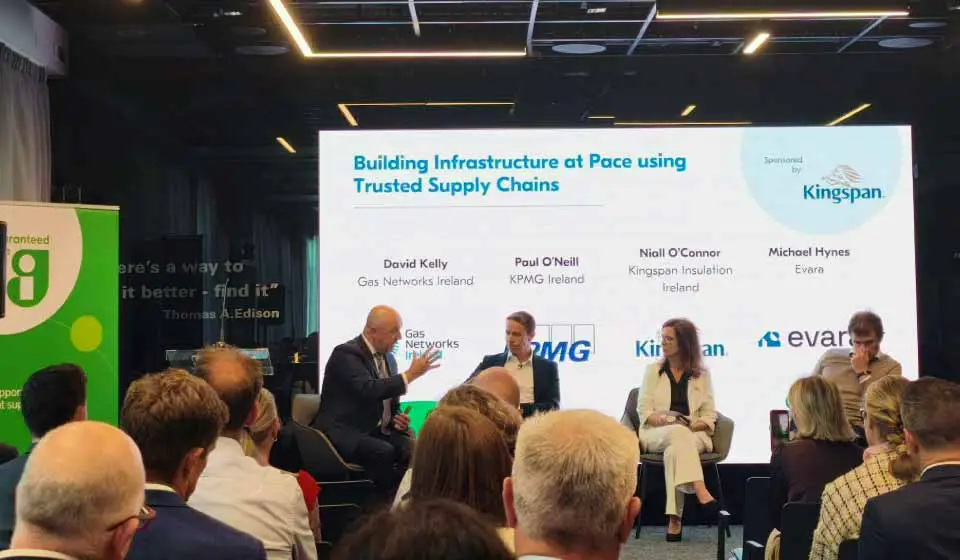
FlexManager started September by hitting the road to attend the Guaranteed Irish Construction Forum 2026, and it offered a terrific insight into the current landscape of the nation’s construction and infrastructure sectors.
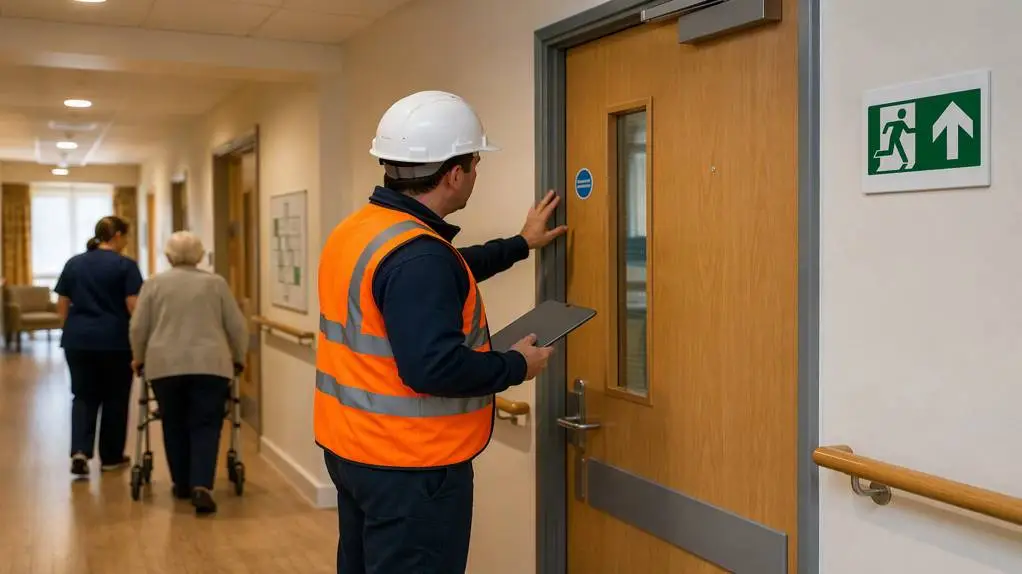
In Ireland, findings were this week released by HIQA following an inspection that was carried out in April of this year at a Care Centre in Ballinasloe. Some of the key findings related to effective fire safety implementation.
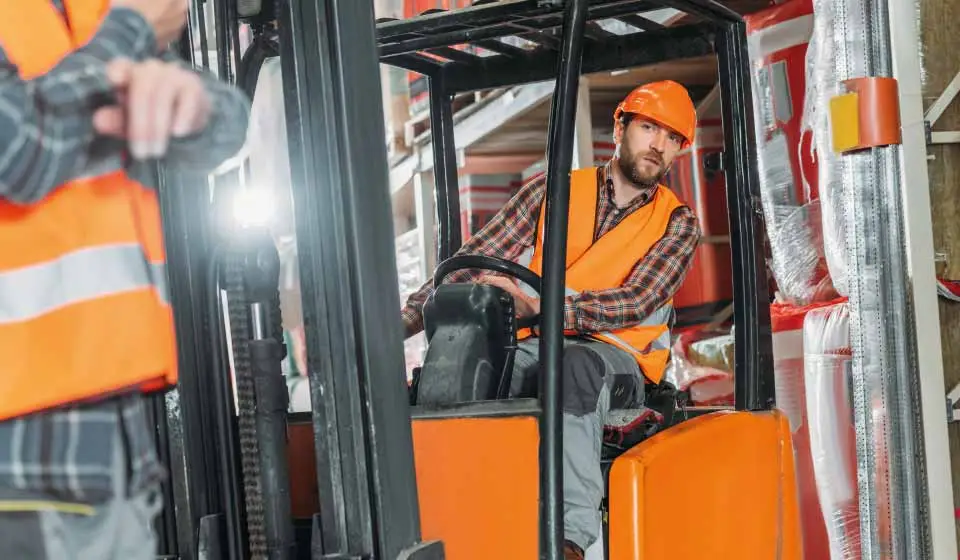
EuroSafety 2026 brings the Nordic region's safety industry to Tampere. Here is why asset and equipment compliance is becoming a bigger priority for Finnish employers under EU and national law.

In Ireland, a railway safety watchdog has highlighted the importance of workplace safety following a near miss in July that saw a couple of rail workers come close to a fatal collision with an approaching train.
EuroSafety 2026: Finland's ports sit under more overlapping regulation than almost any other worksite. Here is how FlexManager helps port and maritime operators meet EU and Finnish requirements from one platform.

A Minnesota mining operation has been ordered to pay nearly $23,000 dollars. It comes after a governing body said they had not tested if its emissions of particulate matter were inside allotted limits.
As EuroSafety 2026 explores the future of occupational safety in the Nordics, here are 3 smart tools helping Finnish employers meet their legal duties and reduce risk.

Explore how FlexManager helps Finnish organisations strengthen occupational health and safety management, risk assessment, incident reporting and training.

Companies in Québec are sure to be on high alert with the news that specific environmental fines are being increased ten times from what they previously were.

Newfoundland and Labrador's Occupational Health and Safety Division has brought charges against Cottle's Island Lumber Company Limited. The charges pertain to a number of alleged violations under the province’s Occupational Health and Safety Act.
The California Division of Occupational Safety and Health (Cal/OSHA) gave Blackbird Mountain Guides $151,300 worth of fines after it concluded that the company had made over half a dozen alleged violations, with workplace training among the alleged violations.
DOC-DM-OB-4
Fill out the form below and one of our FlexPerts will contact you.