

FlexManager’s Conference Circuit: Where to Find Us This Autumn
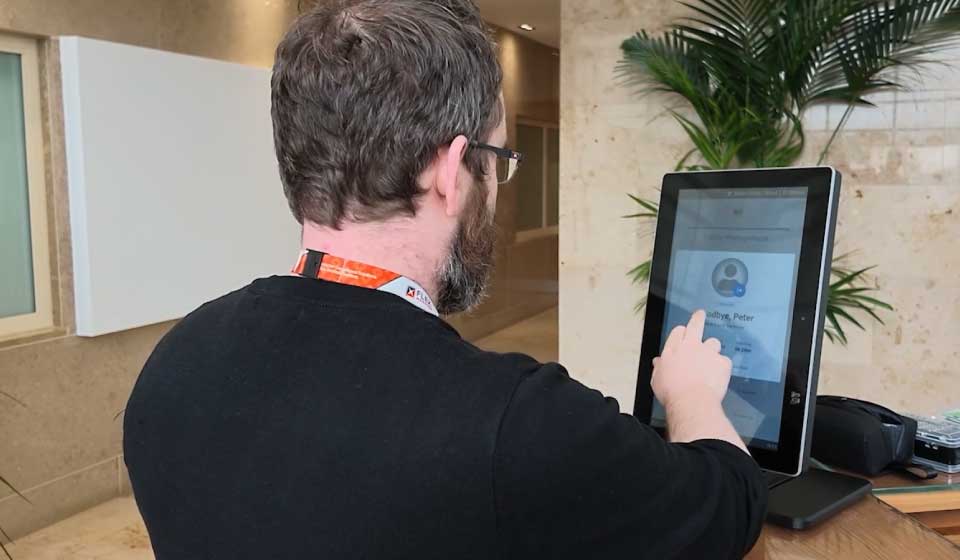
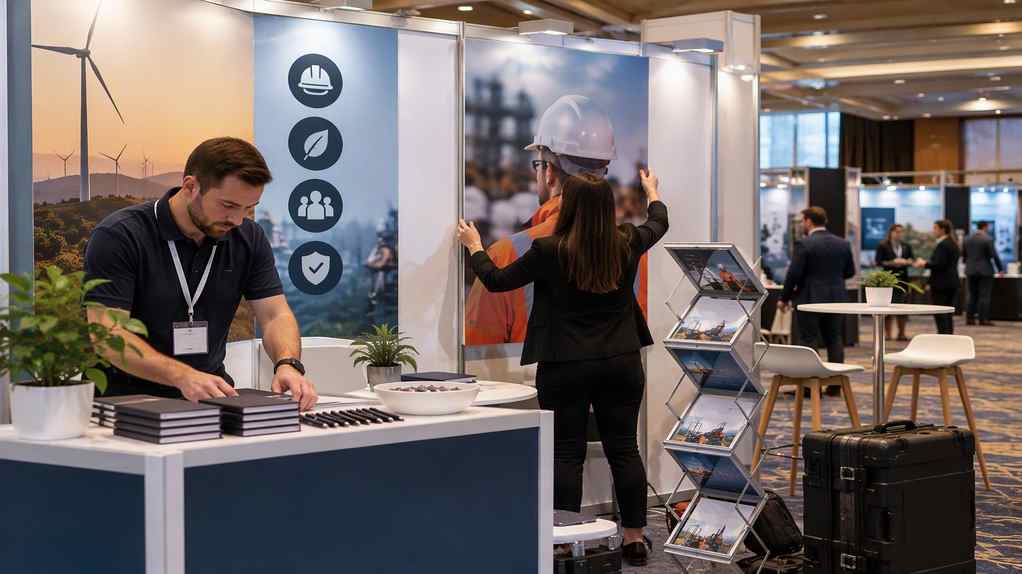
Following a busy and successful spring conference season, the FlexManager team is gearing up for an equally exciting autumn schedule.

A tech-curious maintenance manager wants a way to connect assets reliably, gain an operational context, and have a data-driven plan across their domain. Their goal is not simply to respond to breakdowns, but to anticipate them, understand their root causes, and manage assets in a way that reduces downtime and cost.
For these professionals, the pain isn’t openness to technology, but rather the fact that existing tools and processes don’t provide a connected, real-time picture of assets, usage, and location-specific context, making proactive maintenance harder than it should be.
Fragmented Asset Records
Equipment histories, last-service dates, and condition data are scattered across spreadsheets, paper logs, or undocumented workflows which makes it difficult to plan work or justify decisions.
Static Information, Dynamic Work
Technicians in the field often lack context for the assets they’re working on: location-specific risks, site requirements, or previous maintenance notes, which leads to rework or confusion.
Inconsistent Asset Ownership and Assignment
Assets get moved between teams or sites without a reliable record of who is responsible and when, leading to misplaced equipment or unclear accountability.
Maintenance Planning Feels Reactive, Not Strategic
Without clear usage data or lifecycle insight, schedules are either guesswork or based on guesswork from historical paper records.
FlexManager provides tools that allow maintenance teams to unify asset context, move beyond reactive firefighting, and make better informed decisions while maintaining compliance and consistency:
Capture a full lifecycle history of every asset from acquisition through operation to end-of-life, including usage metrics such as hours worked or odometer equivalents, so you can forecast service needs and budgets more confidently.
Associate assets with specific operational sites or GPS-linked locations, ensuring technicians understand the environment, site-specific hazards, and requirements before work begins. This also allows easier transfer of assets between sites while keeping their records intact.
Track who is responsible for each asset at any given time, whether it’s long-term assignment or temporary use, and maintain accountability for maintenance, condition reporting, and compliance. NFC tagging makes quick identification possible in the field.
Associate manuals, SOPs, permits, and maintenance procedures directly with individual assets or locations, ensuring technicians always access the right documentation where and when they need it, without digging through shared drives.
These elements work together to give maintenance managers a connected operational picture: what assets exist, where they are, who’s responsible for them, how they’ve performed, and what they’ll need next.
This article is Part 4 of our “What’s your pain point?” series, where we identify common personas in HSEQ environments and explore the real-world challenges they face, and how connected systems can help solve them.
FlexManager helps maintenance leaders capture, connect, and contextualise asset data to make upkeep more predictable, efficient, and aligned with broader operational goals. To find out how to benefit from FlexManager, reach out to our team through our Contact section, or Book a Demo now.
Following a busy and successful spring conference season, the FlexManager team is gearing up for an equally exciting autumn schedule.
Corporate Social Responsibility (CSR) can often be overlooked as an important part of a business. A new study, however, reveals details that indicate how mandatory CSR could benefit companies not only through safeguarding branding, but also by boosting financial performance.
The impending new Machinery Regulation (EU) 2023/1230 is set to come into effect in January 2027. Several aspects of the regulation are sure to be of utmost importance to companies who have plant and equipment assets in use as part of their operations.
A UK health & safety expert has warned that a new employment law update could impact companies taking a complacent approach to safety training.
FlexManager visited Doyle Shipping Group at Dublin Port to see its operations first-hand and explore the impact of smarter, connected compliance.
In England, a senior Health and Safety Executive (HSE) official has spoken about the potential difficulties of implementing a universal maximum workplace temperature.
The return to work after summer often feels like a reset. Teams are back, operations pick up, and attention shifts to hitting targets for the remainder of the year. However, this period can also introduce a less visible risk. Complacency.
Traffic management compliance failures led to a €1.2m fine for an Irish roadworks contractor. See how digital RAMS reduce public road risk.
Women in construction safety take the spotlight as an Irish health and safety officer is crowned Miss Galaxy International. See how FlexManager supports diverse safety teams.
A fatal Saskatoon incident puts mobile plant safety back in focus. See how digital risk assessments protect workers around moving equipment.
Work at height compliance gaps led to a £20,000 fine after a UK roof fall. See how digital RAMS and inspections prevent repeat failures.
Two UK port forklift fines expose the same workplace transport compliance gap. See how FlexManager keeps traffic and pedestrian plans live, not filed away.
DOC-DM-OB-4
Fill out the form below and one of our FlexPerts will contact you.