

How Cross-Functional Collaboration Enhances Safety

Collaboration strategy developed to prevent workplace injuries.

Safety outcomes are shaped every day by operations, maintenance, HR, contractors, and leadership decisions. When these functions operate in silos, risks increase, communication breaks down, and incidents are more likely to occur.

Cross-functional collaboration enhances safety by ensuring everyone shares responsibility, visibility, and accountability for managing risk. For HSEQ and compliance professionals, the challenge is not just encouraging collaboration, but enabling it consistently across sites, roles, and systems.

What cross-functional collaboration means for safety

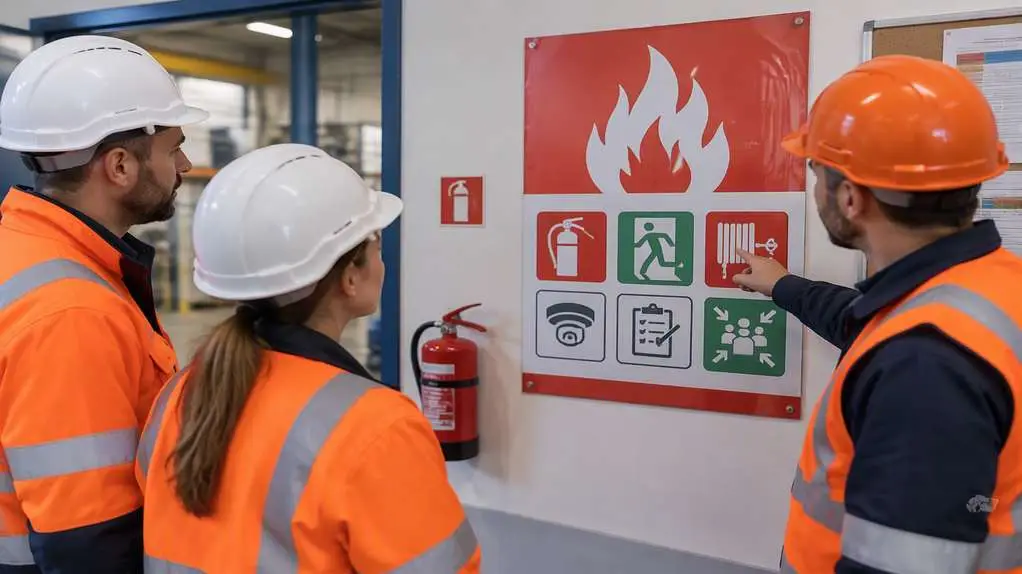
Cross-functional collaboration in safety means different departments working together toward shared HSEQ goals, rather than operating independently. This includes:

    • Operations teams reporting hazards and near-misses in real time
    • Maintenance teams coordinating on asset safety and inspections
    • HR supporting training, competencies, and inductions
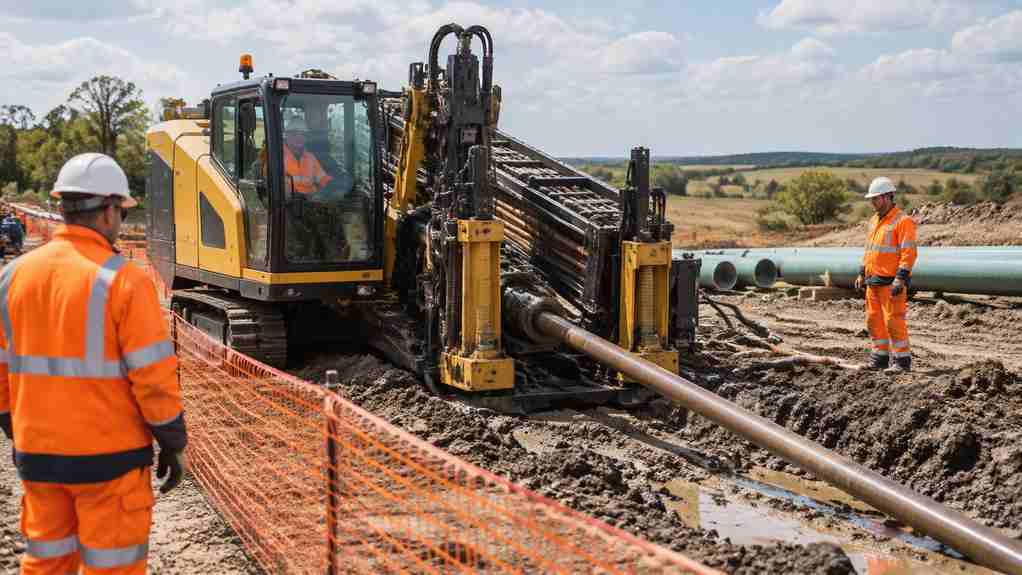
    • Contractors complying with the same safety standards as employees
    • Leadership acting on safety insights and trends

According to ISO 45001, effective occupational health and safety management requires worker participation, consultation, and clear communication across the organisation. When collaboration is weak, safety information becomes fragmented.

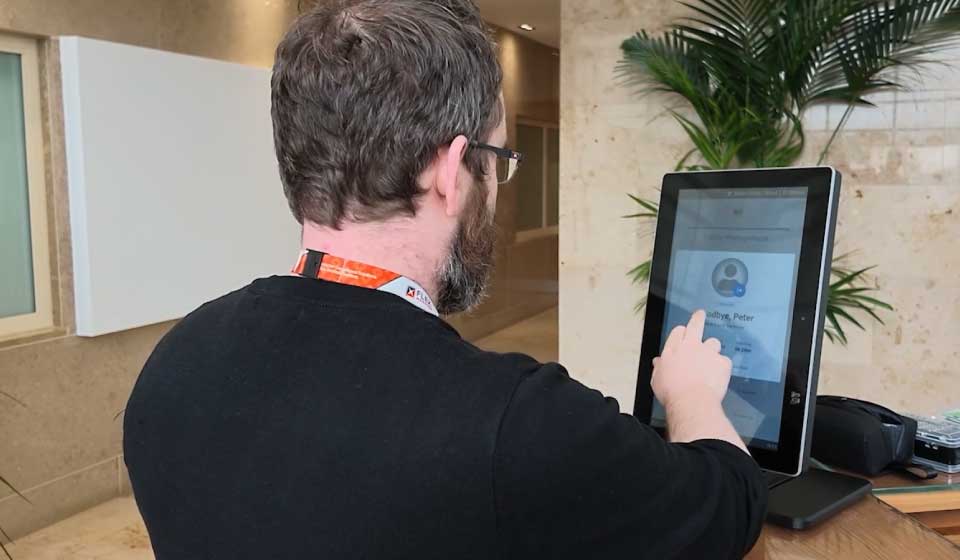
Digital HSEQ platforms like FlexManager help centralise safety data, making it accessible to all relevant functions while maintaining clear roles and responsibilities.

Why collaboration directly improves safety outcomes

When teams collaborate effectively, safety improves in measurable ways:

    • Faster hazard identification: Field staff and contractors can log hazards or incidents immediately, rather than relying on manual handovers.
    • Better risk controls: Operations and HSEQ teams can jointly assess risks and implement practical controls.
    • Improved compliance: Shared visibility reduces gaps in audits, inspections, and corrective actions.
    • Stronger safety culture: Employees feel ownership when their input leads to action.

How technology enables cross-functional collaboration

Collaboration doesn’t scale through meetings alone. As organisations grow, digital tools become essential to connect people, processes, and data.

Modern HSEQ software supports collaboration by:

    • Providing a single source of truth for safety and compliance data
    • Enabling role-based access so each team sees what’s relevant
    • Automating workflows between departments
    • Creating transparency and accountability

FlexManager’s unified compliance platform supports this through modules such as:

By aligning teams around shared safety goals and enabling them with the right digital tools, organisations can move from reactive safety management to proactive risk prevention.

If you’d like to explore how FlexManager supports cross-functional safety collaboration through configurable HSEQ modules, reach out to our team through our Contact section, or Book a Demo to see it in action.

LinkedIn
Email
Facebook

Topics you may have missed

DOC-DM-OB-4